Joseph Barnes is the principal of Barnes Design & Development Management advisory services firm. As Community Development Integration specialist, they are dedicated to working with design and development professionals on the creation of built environments which generate incremental and sustained value – aesthetic, social and economic. They leverage the knowledge, lessons learned, and relationships developed by Joseph Barnes over thirty-years of experience with benchmark setting, high-profile, high-concept, mixed-used community and land development projects.
Designing in Good Design: Why the Process Matters as Much as the Product
Looking back at Celebration and East Beach, it’s tempting to focus only on the final results, including the houses, the streets, the parks, and the overall sense of place. But the real story is how those results were achieved.
In both cases, the difference between success and struggle wasn’t luck. It wasn’t simply the skill of individual builders or the beauty of the master plan. It was the process—specifically, the decision to integrate good design from the very beginning rather than trying to inject it later through review.
That’s the core truth behind Bob Stern’s advice:
“It is easier to design in good design than it is to review in good design.”
Why Design Review Alone Doesn’t Work
Design review has a place. It can catch inconsistencies, correct missteps, and help maintain standards over time. But by itself, design review is reactive. It’s about fixing what has already been decided.
When a project reaches the design review step, most critical decisions about form, proportion, and layout are locked in. Budgets are committed. Construction schedules are in motion. Changing course can mean redesign fees, lost time, and strained relationships. And in many cases, compromises are made simply because the cost of fixing something outweighs the perceived benefit.
The result? You end up approving “good enough” designs rather than outstanding.
The proactive alternative
Designing in good design means building it into the DNA of a project. It starts before the first sketch:
Choosing builders who are willing to engage with the vision
Providing them with the right tools, precedents, and guidelines
Involving skilled architects who understand both the language of design and the realities of construction
Creating opportunities for collaboration, iteration, and early feedback
At Celebration, that meant a two-day Charleston workshop, a carefully curated tour of historic and new communities, and a cost-sharing program to pair builders with experienced architects. It meant long working sessions where plans and elevations were pinned up and critiqued openly.
At East Beach, it meant taking builders on I’On, Habersham, and Newpoint tours, letting them see quality in action. It meant the “Design Connection” exercise, where builders and architects worked side-by-side in real time to produce buildable, pattern-compliant designs.
In both places, the goal wasn’t to force compliance but to create alignment so that by the time a design reached review, it already reflected the vision.
What success looks like
When you “Design in Good Design”, you see it in:
Faster approvals, because designs arrive aligned with expectations
Fewer costly changes during construction
Streetscapes with coherence and variety, not repetition or gimmickry
Higher sales velocity and stronger pricing power, because buyers recognize and value quality
Long-term durability, not just in materials, but in the neighborhood’s identity and desirability
You also see it in the relationships between the development team, builders, and designers. Instead of being adversarial, they’re collaborative. Everyone is invested in the same outcome.
The hidden cost of not doing it
The contrast between David Weekley Homes and Town & Country at Celebration is a cautionary tale. One embraced early collaboration, worked with top-tier architects, and launched quickly with award-winning house designs that sold at a premium. The other resisted, worked in isolation, and spent months backpedaling after a disastrous first submittal.
Those lost months weren’t just a scheduling inconvenience. They missed market opportunities, incurred higher carrying costs, strained relationships, and formed a reputation hit that ultimately led to their removal from the program.
The same principle applies to any large-scale development: the cost of doing it right from the start is always less than the cost of trying to fix it later.
The broader takeaway for developers, architects, and municipal leaders
If you aim to create a place of lasting value, aesthetically, socially, and economically, you must treat design as a foundational investment, not a discretionary add-on.
That means:
Invest early: Engage architects and urban designers before the builders start drafting.
Educate relentlessly: Make sure everyone understands not just what the vision is, but why it matters.
Inspire with real examples: Show, don’t just tell. Take your team to see places where quality is tangible.
Collaborate continuously: Create opportunities such as workshops, design sessions, and programs where builders and architects can work together, not in silos.
Review becomes a confirmation step, not a firefight when you do these things.
A call to action
In development, we often discuss value in terms of square footage, absorption rates, and return on investment. But great neighborhoods generate a different kind of value—a value that compounds over time because people love living there. That doesn’t happen by accident.
If you want that enduring value, start with the design process itself. Build in the structures, relationships, and expectations that make quality the default outcome.
Because in the end, you can’t review your way to a great neighborhood.
You have to design it in.
If you missed the earlier parts of this series, start with Designing in Good Design to see where the idea began, then follow along with the Celebration and East Beach stories for real-world examples of this philosophy in action.
East Beach in Norfolk, Virginia, was envisioned as both a catalyst and a showcase for the city’s ambitious “Come Home to Norfolk” campaign. Norfolk, founded in 1682, has numerous sections containing rich urban histories, with centuries of maritime commerce, military presence, and cultural life shaping its identity. But by the early 2000s, it had been decades since the city had undertaken anything on the scale and ambition of East Beach.
At roughly 100 acres, East Beach became the largest single community development initiative in Norfolk’s history. Its success was more than a matter of real estate. East Beach was a linchpin in the city’s broader revitalization strategy, testing whether Norfolk could reclaim its tradition of building enduring, character-rich neighborhoods in an era dominated by mass-market housing.
From the outset, the Norfolk Redevelopment and Housing Authority (NRHA) made its expectations explicit. East Beach would not be another cookie-cutter subdivision dominated by large merchant builders turning out standardized floor plans. The directive was clear: every home would be custom-designed and built, each contributing to a cohesive architectural vision while reflecting the individuality of its owner. East Beach would require a higher level of craftsmanship, architectural variety, and attention to proportion than what was typical in the region’s housing market at the time.
The NRHA’s reasoning was grounded in history. Norfolk has several strong precedents for good urbanism and architecture in neighborhoods like The Hague, Ghent, and Freemason. These historic districts, built before World War II, are masterclasses in human-scaled streets, regionally appropriate building styles, and finely tuned details. Brick sidewalks, deep porches, operable shutters, and tree-lined streetscapes work together to create neighborhoods that remain as desirable today as when they were built.
By contrast, much of Norfolk’s post-war housing stock, like many American cities, was shaped by Levittown-inspired development patterns: these prioritized speed, efficiency, and uniformity over architectural variety and urban character. Interiors were often well-equipped, but the exteriors lacked the charm, craftsmanship, and regional authenticity that define Norfolk’s older neighborhoods.
Many of the designs came straight from mass-produced house plan books—the kind sold in the checkout aisle of a grocery store or from the work of a local draftsperson producing plans to meet a budget, not a broader vision. These plans rarely took cues from the Chesapeake Bay region’s rich architectural traditions or the qualities that make a neighborhood feel timeless. Without guidance, there was no guarantee that the builders would produce homes consistent with the aspirations for East Beach.
East Beach’s mission was to reverse that trend. It would reintroduce the architectural integrity, walkable street patterns, and sense of place that had once been Norfolk’s hallmark. The goal was not nostalgia but rather to apply timeless design principles to meet modern needs and prove that new development could match and rival the city’s most beloved historic neighborhoods.
From my experience at Celebration, I knew you cannot simply hand out a set of design guidelines and expect the vision to build itself. Even the best-intentioned builders often face competing priorities such as speed to market, cost control, and perceived sales appeal that can dilute architectural quality. Left on autopilot, these pressures tend to produce houses that check the boxes but fall short of creating a truly memorable place.
East Beach demanded more. If we were to deliver a neighborhood with the authenticity, character, and long-term value we envisioned, we had to do more than write rules. We had to “Design in Good Design.”
For the East Beach Development Team, that meant being directly involved from day one. We engaged with builders early to inspire them with possibilities, not just to review their designs. We talked about proportion, scale, and the subtle details like column spacing, trim profiles, and window placement that give architecture its sense of rightness. We studied regional precedents together so they could see how historic homes in Norfolk’s best neighborhoods had stood the test of time.
But this wasn’t about lecturing. It was about building a shared vision and working side-by-side to bring it to life. We created an iterative, hands-on process where designs evolved through conversation, sketches, and mutual problem-solving. Builders weren’t just checking compliance boxes. They needed to shape homes that would strengthen the streetscape, complement their neighbors, and collectively form a neighborhood people would fall in love with.
Our measure of success wasn’t just how each house looked on its own, but how all the houses worked together to create streets with rhythm, variety, and a human scale. The goal was not just a collection of good houses. Our goal was to craft a great neighborhood.
Educate:
As we did at Celebration, we used the South Carolina Lowcountry as our base for the East Beach Builders Orientation. We gathered at a hotel in Mount Pleasant, where the morning session focused on helping the builders fully understand the vision behind East Beach before they ever put pencil to paper.
East Beach Guild and Architects
We began by walking them through the master plan, explaining how the blocks were arranged and why the north-south streets were designed to terminate with a visual reward of a framed view of Pretty Lake Marina or a Bayfront Green or pedestrian path leading directly to the Chesapeake Bay. We showed them how these greens and paths pulled water views deep into the neighborhood, creating a constant awareness of the proximity and access to the Chesapeake Bay, even for residents far from the shoreline.
We also explained one of the master plan’s more subtle but essential moves: shifting the streets by half a block. The grid shift allowed the mature trees, which once sat behind structures, to become part of new linear parks running parallel to the streets. In front of the new homes, these shaded greenways created an immediate sense of maturity and place that most new neighborhoods lack.
Excerpt from East Beach Pattern Book showing the master plan and providing an overview of the key “Addresses” with the neighborhood
From there, we walked them through how the street sections and details evolved as you moved from East Beach’s more urban edges toward the relaxed, informal areas closest to the water. This transition wasn’t accidental. It was a deliberate layering of urban design principles to give the community variety and coherence.
Next, we introduced the four architectural languages defining East Beach: Tidewater Colonial Revival, Tidewater Victorian, Tidewater Arts and Crafts, and Tidewater Shingle. Each was rooted in the region’s historic architecture. We outlined the essential design elements for each style, such as roof forms, porch types, window proportions, and siding materials. We discussed where each language was most and least appropriate within the master plan.
We followed Simon Sinek’s mantra throughout the session: “People don’t buy what you do; they buy why you do it.” The goal was to ensure that every builder left the room with a clear understanding of not just the “what” and “how” of East Beach’s design vision but also the “why” that gave it meaning.
Inspire: Touring Precedents
The next step in the Builders Orientation was to get out and see some outstanding work. By the early 2000s, there were far more examples to study than we had during the Celebration Builders & Architects Tour in 1995. Several new neighborhoods and villages had not only broken ground but reached a level of completion where the quality, richness, and variety of the design could be experienced first-hand.
As with Celebration, we started with the historic districts of Mount Pleasant and Beaufort, along with Newpoint. We also added Habersham in Beaufort, being developed by Bob Turner, who had played a key role in both Newpoint and I’On itself in Mount Pleasant, which was being developed by Vince Graham, also of Newpoint, along with his father, Tom, and brother, Geoff. During its formative stage, I had served as General Manager of I’On for three and a half years, so this visit felt personal.
Like what we saw with the Celebration builders visiting Newpoint years earlier, you could almost watch the light bulbs go on in their heads. The builders began to see the incremental value our design philosophy could bring in aesthetics, market appeal, and long-term value creation.
One moment, which I initially viewed as a potential problem, became one of the most effective inspirational tools of the trip. I had always considered the Builders Orientation to be a serious work trip. We planned the two-day event for a Thursday and Friday, and I expected builders to come ready to focus. So, when Roger Wood, East Beach’s Town Architect and Guild Manager, told me several builders had decided to bring their wives and turn it into a long weekend getaway, I was not pleased. In my mind, this was not a family vacation.
A street in Habersham in Beaufort SC
Roger convinced me otherwise, and we arranged for a larger bus to accommodate everyone. Ultimately, allowing the spouses to join us was the best decision we made. As we toured Newpoint, Habersham, and I’On, walking past beautifully designed, well-crafted homes, I overheard several wives quietly ask their husbands why they didn’t build houses that looked as nice or felt as special. That subtle nudge, a mix of admiration and gentle challenge, may have been the most powerful motivator. Sometimes, the best push toward better design comes from outside the meeting room.
Collaborate: The “Design Connection”
Chuck Woolery, the host of Love Connection, the inspiration for our Design Connection Exercise
Like at Celebration, the East Beach builders weren’t used to working with top-tier design professionals to create their houses. To change that, we introduced an exercise I called “Design Connection,” modeled after the TV show Love Connection hosted by Chuck Woolery. On the show, the producers would pay for the first date between two singles. In our case, we were “paying” for the first date between an architect and a builder.
Here’s how it worked.
We invited a group of architects who had done much of the standout design work in places like I’On, Habersham, and Newpoint and had deep experience working with custom home builders. These included well-regarded firms like Moser Design Group, Allison Ramsey Architects, Don Powers, and Historical Concepts.
We pre-selected a set of floor plans, many drawn from the portfolios and plan books of these invited architects, that would fit East Beach homesites. Then we put together “design tool kits” for each team: tracing paper, pencils, markers, scales, and straightedges.
The matchmaking process was simple. We put the builders’ names in one box and the architects’ names in another. We drew one builder and one architect, paired them up, and handed them one of the pre-selected floor plans, a design kit, and a copy of the East Beach Pattern Book.
They had two and a half hours to create a façade design that met our design guidelines and that the builder felt they could build at a reasonable cost with their usual tradespeople.
At the end of the session, like a design jury in architecture school, each builder–architect team pinned up their work and presented it to the group.
Some key takeaways stood out:
Builders realized that working with a good architect wasn’t intimidating or awkward.
The architects added tremendous value to the process.
Creating an appropriate, high-quality design was faster, easier, and more enjoyable with the right design partner.
When it came time to start actual house designs for East Beach, many builders continued working with the architect we had been paired them with during “Design Connection.” Not surprisingly, those who did were far more successful than those who didn’t.
To close out the Builders Orientation, we organized an oyster roast on the evening of the second day at the Creek Club in I’On. It was a relaxed, social setting, but it served a very practical purpose. Alongside the East Beach builders and the residential architects, they had worked with during “Design Connection,” we also invited several members of the I’On Builder’s Guild. This gave the East Beach builders the chance to ask candid, builder-to-builder questions about preferred materials, reliable suppliers, and the lessons learned on the ground, both good and bad.
The informal conversations that night were just as important as the structured sessions. Builders walked away with real-world insights, peer validation, and a stronger sense that what we were asking them to do at East Beach was not only possible but achievable.
Up Next:
The final article in this series, Designing in Good Design: Why the Process Matters as Much as the Product, looks at the big picture and what these experiences taught me about why great neighborhoods succeed or fail, and why process is the deciding factor.
From the outset, our charge at Celebration was clear: design and build houses that meet the community’s design vision and goals while also appealing to individuals and families from a programmatic, functional, and cost perspective. We couldn’t afford to let the houses look like every other Central Florida subdivision, nor could we design homes so architecturally pure that they ignored budget realities or how people actually lived.
The builder selection process
The Residential Builders Program we established initially included two national merchant builders, David Weekley Homes, headquartered in Houston, Texas, and Town & Country Homes, headquartered in Chicago, Illinois. These two builders would be responsible for most of the houses on our Townhouse, Cottage, and Village lot types. In addition, we selected eight custom builders, all based in Central Florida, for the larger lots.
We didn’t choose any of the builders based on the design quality of their previous work. Instead, we selected them for their proven track record in customer service, financial stability, and, critically, their willingness to take on something new and ambitious. Every one of them would need significant design support to meet the standards outlined in our Celebration Pattern Book.
To guide this process, two vice presidents of The Celebration Company, Don Killoren and Charles Adams, paired me, an architect with an MBA, with David Pace, a custom home builder who was also a CPA. David brought deep construction and cost knowledge. I brought a design-focused perspective and organizational skills. We had some intense discussions (and occasional knock-down, drag-out arguments) about how to proceed, but we respected each other’s expertise and shared the same goal. David and I “worked the problem”. Over time, we often found ourselves articulating the other’s point of view when making the case to our colleagues or the builders.
Educate: The Charleston Workshop, May 1995
The first step in our efforts to support the builders was education. We knew we couldn’t simply hand over the Pattern Book and expect compliance. In May 1995, we organized a two-day workshop called the “Celebration Builders & Architects Tour” in Charleston, South Carolina.
We invited:
Members of the Celebration Development Team and several of Disney Development’s senior executives
Robert A.M. Stern and Jacque Robertson, Celebration’s master planners, along with key members of their teams
Ray Gindroz and Rob Robinson from Urban Design Associates, co-authors of the Pattern Book
The owners or senior leadership from all the selected builders
A handpicked group of architects experienced in designing houses in the Pattern Book’s architectural styles
Team Photo taken at the 1995 Celebration Builders & Architects Tour
Stern and Robertson walked everyone through the master plan, showing how Celebration’s streets, parks, greens, and building sites were organized. They used precedent images and illustrations to explain how the architecture, the streets, and the public spaces would work together as a coherent whole.
Urban Design Associates then detailed the six architectural languages in the Pattern Book. They explained in detail their historical origins, essential elements, and how they should be applied to specific lot types and locations.
We also wanted the architects to hear directly from the builders’ side. David Weekley, founder of David Weekley Homes, gave an unvarnished presentation about how production builders operate: cost constraints, scheduling pressures, and the metrics by which they measure success.
Inspire: Seeing the “Good Stuff”
At the end of each semester, my design studio professor, Professor Dripps, would meet with each of us individually. These were not quick check-ins. They were thoughtful conversations about what we had accomplished, where our work fell short, and what we needed to focus on to improve.
When it was my turn, Professor Dripps acknowledged the progress I had made and how my ability to think critically about design had grown, and then added something that has stayed with me ever since:
“Joe, if you want to become a good architect, you must see more good architecture.”
It was a simple point, but a profound one. Experiencing high-quality design first-hand changes how you see proportion, detail, and context. Drawings and photographs can only take you so far. To really understand what makes architecture work, you must walk the streets, study the buildings up close, and feel the spaces.
Following those words of wisdom, we took the same approach with the Celebration builders. After a full day of orientation and discussion, it was time to get out and see some great examples.
The tour was not random. We curated it carefully so the information would unfold in a way that built understanding step by step. We aimed to give the builders a complete picture of what we were trying to achieve, not just in individual homes, but in the entire community.
Most builders were used to thinking about a single house on a single lot. Our focus was different. We were building a place. A great place’s most basic building blocks are the streetscape and public realm. That’s where character, walkability, and community life take shape.
We wanted the builders to experience first-hand the kinds of streets and neighborhoods that formed Celebration’s design DNA, places where architecture, landscape, and public space worked together to create something greater than the sum of their parts.
To encourage cross-discipline communication and help build relationships among the builders, architects, and members of the Celebration team, we assigned seats on the buses. Each builder group was split up, with architects and Celebration team members evenly distributed between the two buses. At every stop, we switched up the seating assignments so people would end up next to someone new. This shifting of who sat next to whom kept the conversations fresh and ensured that everyone had interacted with a broad mix of people by the end of the tour. The goal was simple. We wanted to break down silos, share perspectives, and start building the trust that would be essential once the real work began.
Our first stop was the Old Village of Mount Pleasant, just east of Charleston, is comprised of narrow, tree-lined streets, porches facing the street, and a mix of historic homes and sensitive infill. Then we headed to Beaufort, South Carolina, one of the South’s most intact and livable landmark towns, with compact blocks, centuries-old live oaks, and houses in styles ranging from Federal to Victorian.
Looking on the a street from a porch in Mount Pleasant’s Old Village
As we walked the streets of Mount Pleasant’s Old Village and the historic neighborhoods of Beaufort, we could hear the builders talking among themselves. They admired the architecture and the character of the streetscape, but many said it would be nearly impossible to build houses like these today.
A view down Craven Street in Beaufort, SC
Some pointed out subcontractors and tradespeople might not have the skills to execute the fine details. Others raised concerns about long-term maintenance or warranty issues. We didn’t interrupt or try to convince them otherwise.
We knew what was coming. Less than ten minutes away, just across the Beaufort River, we had arranged for them to see something that would change that conversation entirely.
The surprise was Newpoint, a 54-acre community developed by Vince Graham and Bob Turner. Inspired by the architecture of historic Beaufort’s Old Point neighborhood, which we had just visited, Newpoint broke ground in 1992 and quickly became an important precedent for our work at Celebration. It embodied many of the same urban design principles we were pursuing, and it proved something critical. Newpoint was tangible proof that homes built in traditional architectural styles could meet buyers’ functional needs, appeal to the market, and be delivered at a price point within reach for a large share of buyers.
When our two luxury coaches pulled into Newpoint and stopped at the designated meeting point, Vince and Bob greeted us. Both in their early thirties, they stood casually on the sidewalk, no socks, holding a stack of tri-fold marketing brochures, the kind you might print on a desktop printer. They started with a quick overview of Newpoint’s history, how they launched the project, and the key urban and architectural principles behind it.
One of initial houses in Newpoint
As we walked the neighborhood, they pointed out architectural details, explained material choices, and described their design process. It was remarkable to watch the builders’ perceptions shift almost immediately. You could see it on their faces and almost hear them exclaim, “If these two relatively young and less-experienced developers could pull this off, then surely our more seasoned and better-resourced builders could do the same.”
After touring Newpoint, we boarded the buses again and headed to a pig roast at Middleton Place, a national historic landmark along the Ashley River. During the ride and over dinner, we listened to builders and architects trading observations from the day and discussing how they might incorporate what they had seen into the design and construction of Celebration’s homes.
Collaborate: From Ideas to Built Form
With the builders now educated and inspired, it was time to design the houses. A high level of collaboration was essential to do this efficiently and effectively. We had seen on other projects how difficult it can be to persuade builders to change their approach to fit the design vision of a specific development. They were among the industry’s best. Why should they alter what had already made them successful?
Our response to the “If it ain’t broke, don’t fix it” mentality was simple: one of the biggest obstacles to innovation is success. And, as Bob Stern put it, “It is easier to design in good design than it is to review in good design.” We knew we couldn’t rely solely on the design review process. We needed the builders to work with better designers than they were accustomed to using.
To make that happen, we offered to reimburse part of their design fees if they used one of our preferred architects for the first collection of homes. For the volume builders, this meant their initial set of houses; for the custom builders, it covered their first two.
David Weekley, founder of David Weekley Homes, was the first to take us up on the offer. After spending time with Jim Strickland of Historical Concepts and Carson Looney of Looney Ricks Kiss during our South Carolina tours, he quickly chose them as collaborators.
The process unfolded in several steps:
David Weekley’s in-house design team developed a series of house plans for the Village and Cottage lots, aiming for six plans per lot type.
Once the floor plans were complete, they sent them to Historical Concepts and Looney Ricks Kiss, who created elevations and roof plans that aligned with the architectural styles in the Celebration Pattern Book. The architects made minor adjustments to the floor plans as needed.
With this work in hand, the architects and members of the Celebration team traveled to Houston to meet at David Weekley’s offices. Over two days, we pinned every plan and elevation on the conference room wall, debated their merits, and refined them for functionality, aesthetics, and buildability. By the end, the schematic designs for David Weekley’s initial Celebration lineup were complete.
After the workshop, the architects produced additional sketches of critical details such as wall sections, porch details, cornices, and window trim so David Weekley’s in-house team could get every detail right as they moved into construction documents.
This collaborative effort, combined with David Weekley’s willingness to engage skilled architects fluent in Celebration’s design language, led to:
Village Lot House by David Weekley Homes
A faster design review process
Early identification of the right vendors and suppliers
Ample time for value engineering, cost analysis, and construction planning
Being the first builder to break ground, with enough schedule flexibility to fine-tune construction methods for future homes
Streetscapes that matched the design vision
Houses that sold quickly at premium prices
Multiple design awards
A reputation that positioned David Weekley Homes as a “go-to” builder for other New Urbanist projects
Town & Country Homes chose not to take advantage of our offer to subsidize design fees if they worked with one of our preferred architects. It would be an understatement to say their design, review, and construction process at Celebration was more difficult than David Weekley’s.
Instead of hiring an architect with the interest, skill, and experience to design homes aligned with Celebration’s vision, they engaged a firm best known for conventional suburban neighborhoods. They worked in isolation, behind closed doors, without early or incremental feedback from our team. There were no orientation sessions to explain the Celebration vision, how to use the Pattern Book, or how the design review process worked.
I later learned that the architectural firm even advised Town & Country’s design and product development team to ignore the Pattern Book, claiming “nobody ever really follows or enforces the guidelines.”
In late December 1995, a FedEx package from Town & Country arrived in my office containing schematic designs for about a dozen houses. We committed to turning reviews around in two weeks or less, so I opened the package immediately. Within minutes of flipping through the plans, I knew I was in for long days and nights. I even considered buying extra red pens for the markups, thinking I might run out of red ink before I finished.
Each design averaged roughly 25 comments, most following the same structure: “The [design component] is inconsistent with the Pattern Book. See Page [Pattern Page Number]. Revise or provide an appropriate historic precedent.”
On New Year’s Eve, I drove to the Orlando Airport FedEx office with a package containing all the marked-up drawings and letters, each stamped “Not Approved” along with the long list of comments.
By January 2nd, Town & Country called in a panic, requesting an emergency meeting to review the feedback. A few days later, we met. Nearly a dozen people attended from their side, including several C-suite executives, their head of design, division president, corporate counsel, and members of the architecture firm. David Pace and I represented the Celebration team.
We started going through the comments one by one. They were direct, objective, and appropriate. Midway through the second house, the Town & Country president stopped and asked his head of design if he had shared the Pattern Book with the architects. The answer was yes. He then turned to the architects and asked why they hadn’t used it. They had no answer, just blank stares.
After that disastrous start, Town & Country finally agreed to our original offer and hired John Reagan Architects, a Columbus, Ohio–based firm known for classically inspired designs and working successfully with residential builders. Town & Country eventually developed a Celebration-appropriate product line thanks to John Reagan’s work and influence.
Academy Row Townhouse Elevations designed by John Reagan Architects
But the early missteps cost them dearly. Unlike David Weekley, they had no time to build vendor and subcontractor relationships, refine designs through value engineering, or pace their construction to allow for learning curves. They struggled to retain staff, failed to build houses consistent with the approved designs, and suffered significant delays. Homes that should have taken six months to build took nearly a year. Customer satisfaction was extremely low, and the Celebration team had to spend considerable time and political capital on damage control.
Eventually, we decided to remove Town & Country Homes from our builder program and replace them with builders who embraced our vision, worked collaboratively, and delivered results much closer to the success that David Weekley Homes achieved.
Up Next:
In the next article, East Beach: Applying the Playbook, you’ll see how we took these same principles to Norfolk, Virginia — and adapted them for a very different context and set of challenges.
When I was Town Architect for Disney’s Celebration, one of my regular responsibilities was giving tours to visiting developers, architects, planners, and municipal officials from across the Country and around the world. They came to learn how Celebration was planned and built, hear what worked well and what didn’t, and learn how they might adapt those lessons to their projects.
These tours felt familiar because before Celebration even broke ground, our team had done the same thing, visiting dozens of historic and newly built communities to study what made them successful. We walked their streets, studied their buildings, and looked closely at how design decisions influenced appearance and how people lived and interacted there.
I sometimes joke that we were “stealing.” We preferred the more respectable term “benchmarking,” and we did it relentlessly.
At the end of almost every Celebration tour I led, during the Q&A, someone would ask:
“How could you get national production and local custom builders to design and build such attractive homes?”
I typically answered, “I didn’t know I couldn’t.”
It was partly a joke, but it was also the truth. I came into that role from a strong design background, with degrees from two top architecture schools and experience at firms like Michael Graves Architects and Kohn Pedersen Fox. For me, good design was a given. Good design was the outcome of working with good designers.
What I didn’t fully realize then was how rare it was for residential builders to hire good architects. Across the United States, only about 1–2 percent of new single-family homes are designed by architects from concept through completion. Another 28 percent have some architect involvement, perhaps influencing the design or providing limited oversight. The remaining 70 percent are created by residential designers, draftspeople, or entirely through builder-led processes.
Those numbers go a long way toward explaining the reality of most new housing stock: while interiors might be spacious or well-amenitized with a garden tub and a large walk-in closet, exteriors often lack proportion, detail, and a sense of place. Without skilled architectural input, houses rarely achieve the level of design that makes a neighborhood feel cohesive, distinctive, and timeless.
In Celebration, we knew from the outset that if we relied solely on design review to “catch” problems after the fact, we’d spend endless time and energy pushing for fixes and still risk ending up with only “okay” results. We couldn’t afford that. The stakes were too high.
The Advice That Shaped Everything
In the early planning days at Celebration, before a single house was designed, Robert A.M. Stern, whose firm, along with Cooper Robertson & Partners, were responsible for Celebration’s master plan and design ethos, gave our team a piece of advice that became one of my guiding principles:
“It is easier to design in good design than it is to review in good design.”
It was a simple statement, almost tossed off in conversation, but it stuck with me. Over the years, I’ve learned just how true it is. Once a design is set in motion, it takes far more time and effort to correct it than to guide it properly from the start. In residential development, especially with builders who may not typically employ skilled architects, the odds of getting exceptional results through a purely review-based process are slim.
No matter how rigorous, design review happens after critical decisions about form, proportion, and layout have already been made. By then, budgets are set, construction schedules are locked, and changes can be expensive, contentious, or both. If you want consistently high-quality outcomes, you have to be proactive. You have to build design quality into the DNA of the process, not hope to insert it later.
Stern’s comment reframed the challenge in a way that made the path forward clear: the real work was not about policing mistakes after the fact, but about creating an environment where good design was the default outcome. That meant starting with the right vision, giving builders the necessary tools and understanding, and staying deeply engaged from the first sketch to the final punch list.
This philosophy became the backbone of our approach at Celebration and later at East Beach — built on three interlocking steps: Educate, Inspire, and Collaborate.
Next up in the series: In Celebration: Educate, Inspire, Collaborate, I share how we turned that philosophy into a step-by-step process that builders could follow and the results that made Celebration stand out.
When asked where design goes off track in real estate development, I often point to the very beginning. More specifically, to the lack of a clear, complete, and actionable design brief.
Not a vague narrative or a scattered collection of plans. A real brief. One that connects vision to execution, makes priorities visible, and helps teams make smart decisions early, when it matters most.
In previous articles on this blog, I’ve broken down the essential elements of a Design Brief for real estate development. Each post in that series focused on a different section. This article ties them all together and offers a practical framework you can use to guide your projects.
The importance I place on the need for a comprehensive project Design Brief isn’t just theory. It’s built on what I’ve learned managing design and development for projects like Celebration, East Beach, Trojena, and Qiddiya. It reflects hard-won lessons about how to align bold ambition with real-world constraints.
This information focused on the Design Brief development is for you if you’re involved in shaping places, whether as a developer, owner, or designer.
Let’s walk through what goes into a well-structured design brief, and why each part matters.
1. Project Overview
The design brief should start by clearly stating what this project is about. What are you trying to achieve, and why? What’s driving the effort? The Project Overview is where tone and intent get set. It’s also where you define what success looks like.
As I shared in The Essential Role of the Design Brief, a well-written project overview should capture your team’s vision, values, and the larger context from an economic, cultural, and operational perspective. Think of it as your project’s elevator pitch. When launching Celebration for Disney, the Project Overview had to carry extraordinary weight. The expectations were sky-high. We weren’t just planning a town. We were delivering on the Disney brand. The brief had to reflect that from the very first line. Getting this right sets the tone for everything that follows.
2. Site Context
Good design responds to its site. You can’t design effectively without understanding your canvas. This section of the design brief includes detailed maps, access points, topography, and environmental factors. It’s about embracing what the land gives you rather than fighting against it.
Too often, teams jump into programming or design concepts without fully understanding the land. Maps, access, views, slopes, tree cover, and even zoning overlays. This objective information about the site will shape what’s possible and where the opportunities lie.
In Crafting Effective Design Briefs: Best Practices, I discussed how early analysis of site conditions can save months of rework later. At Bundoran Farm, this kind of site sensitivity was foundational. We closely integrated topographic realities and ecological sensitivities into the brief, ensuring a project that harmonized seamlessly with its surroundings. With its agricultural legacy and panoramic views, the land dictated how we approached every decision.
Aerial View of Bundoran Farm – A project where our comprehensive understanding if the site shaped our design and development strategies.
If you don’t document the physical context up front, the rest of the brief floats untethered.
3. Programmatic Requirements
Once you understand your site and goals, you must get specific about the project. Programmatic Requirements are the nuts and bolts of your project: the spaces, uses, and schedules that make your vision functional. They are not just a general list but actual use types, quantities, and relationships. This part should provide both a summary and a detailed space program.
In Crafting a Comprehensive Building Program: Key Insights, I walked through how to approach this section so that it’s useful for your design team and provided specific methods for outlining precise, structured requirements. The goal isn’t perfection. It is clarity. This clarity prevents confusion later and helps align stakeholder expectations from day one.
East Beach – Norfolk, Virginia
Think about the number of homes, the number of rooms per home, the square footage per shop, the kind of civic space, what goes where, and what needs to be adjacent to what. When we developed East Beach in Norfolk, we didn’t just say “mixed-use.” We defined the number of units, the types, the price points, and the neighborhood-serving retail that would be phased in first to create a sense of place. The specificity mattered.
4. Design and Planning Criteria
The Design and Planning Criteria section of the Design Brief is where form begins to take shape. This section is where your vision materializes: layout, massing, adjacencies, and character. Specificity here pays off.
What are the expectations around layout, block structure, building massing, and adjacencies? What kind of architectural character are you after? What’s fixed, and what’s flexible?
In Crafting a Comprehensive Building Program: Key Insights, I highlighted one of the key lessons from my time at Qiddiya: a powerful design vision can quickly unravel without a clear framework for making design decisions. You can’t just say “make it great” and hope for the best. At Qiddiya, clear planning criteria around thematic zoning, iconic architectural forms, and entertainment-focused layouts provided precise direction for an ambitious vision, ensuring consistency across a vast and diverse project.
Early Conceptual Design of Qiddiya’s Speed Park which included a F1 race course and hotels that were highly integrated with other assets within the Qiddiya’s Resort Core.
Setting design and planning criteria early ensures alignment between the vision and the design direction. It lets your design team explore options within defined yet flexible boundaries.
5. Technical and Sustainability Criteria
Too often, a project’s technical criteria and sustainability goals are left out or buried in later documents.
Don’t wait. Include early assumptions about infrastructure, utilities, and systems. And more importantly, be upfront about your sustainability goals from the start. In Sustainability: Why It Needs To Be Featured in Your Design Brief Early and Often, I explained why this is more than just a checklist item. It’s a mindset.
Excerpts from Bundoran Farm’s Green Book
At Bundoran, we created the Green Book, a project-specific sustainability framework that guided everything from road alignments to architectural materials. We didn’t adopt an off-the-shelf rating system; we built our own. Sustainability wasn’t an add-on; it was core to the project’s value.
If you care about long-term resilience, put it in writing up front.
6. Operational and Implementation Framework
The team must deliver the design within established budgetary and schedule constraints. This section of the Design Brief should detail your phasing plan, delivery schedule, and rollout process. It should describe how you are breaking down projects into manageable phases to ensure economic viability, stakeholder alignment, and focused execution.
Aerial of I’On focused on the first phase of development.
This is about risk management and resource allocation, but it’s also about placemaking. You don’t want a project that feels half-finished for years, and your phasing plan should reflect that.
7. Stakeholder Engagement Summary
Real estate development happens in a landscape that is both political and emotional. A landscape inhabited by stakeholders who can influence, are impacted, and those who can help or hinder progress.
You must acknowledge this and that your Design Brief identifies the key stakeholder groups: the development team, municipal staff, permitting authorities, investors, community leaders, nearby property owners, and any relevant utility or infrastructure providers.
The Design Brief should outline what concerns each group raised and when they need to be engaged or kept informed during the design and development process. Milestones such as early site planning, entitlement requests, design reviews, and pre-construction are all typical touchpoints. Documenting these conversations and checkpoints keeps your team aligned and reinforces that the design is rooted in genuine dialogue, not assumptions.
Documenting stakeholder input, community outreach, and agency consultations keeps everyone honest. It also gives your design team insight into the values and constraints they need to consider. If you’ve met with city officials, conducted focus groups, or heard concerns from neighbors, this is the place to capture them. Don’t assume people remember what’s been said. Write it down.
8. Appendices
Sometimes, supporting material doesn’t fit neatly into the main body of the brief. That’s what appendices are for. Appendices offer supporting data, precedents, and imagery. They provide depth without cluttering your main narrative, ensuring clarity and context for design teams and stakeholders.
Include reference imagery, precedent projects, data tables, traffic studies, market reports, and anything else that provides helpful context or backup. If it helps inform decisions or clarify expectations, include it.
In Conclusion
A well-constructed Design Brief won’t guarantee a great project, but it dramatically improves the odds. It gives your team a shared foundation to build from, bridges the gap between inspiration and execution, and helps avoid wasted time, misaligned decisions, and missed opportunities.
It’s also a powerful leadership tool.
Suppose you’re developing a complex project, especially one with multiple partners or long timelines. In that case, I’d encourage you to treat the design brief not as a formality, but as a central part of your development strategy.
Every successful real estate development I’ve participated in began with a clear, actionable Design Brief. If done correctly, it can save you from many headaches later and help deliver something far more meaningful.
We are impatient by nature. We want everything today, if not yesterday. But real estate development doesn’t work that way. As the old saying goes, “Rome wasn’t built in a day,” and neither are great communities.
As part of the Design Brief, the phasing approach should be clearly described to set expectations and guide execution. This section of the design should outline how the project will unfold over time, what elements will be delivered in each phase, and how each phase contributes to the overall vision. Being explicit about phasing helps stakeholders understand what to expect and when, reducing confusion and misalignment. It also allows the project team to focus on properly allocating resources, setting priorities, and coordinating efforts around defined deliverables. Without this clarity, it’s easy for ambition to outpace feasibility or for different parties to develop conflicting assumptions about timelines and scope. That is why a proper phasing strategy and execution isn’t just helpful. It’s essential.
Large-scale mixed-use community developments are rarely built all at once. Instead, they are typically broken into multiple phases to manage scope, risk, and financing. A well-crafted phasing plan lays out how the project will be sequentially implemented, with each phase providing value on its own. One key challenge is ensuring each phase provides a useful, completed product that is both economically viable and functional.
In practice, each phase should deliver a self-sufficient mix of elements: housing, public space, and ideally, some retail or community-serving use. It must feel alive before the rest of the project comes online. And it must demonstrate the promise of what’s to come. A phase is more than a construction milestone. It is a microcosm of the entire community.
Every project I have worked on, including Celebration, I’On, East Beach, required a different approach to phasing. Each one had its own financial constraints, market conditions, mix of uses, level of innovation, and complexity. However, each illustrates what’s possible when phasing is treated as a strategic design and development tool.
Celebration: Front-Loading the Downtown
When you develop under the Disney name, expectations are extraordinary. We couldn’t talk about the vision for Celebration’s town center. We had to build it. Right away.
At Celebration, that meant front-loading the downtown: 150,000 square feet of commercial space, with apartments above and a cast of top-tier architects designing civic anchors—Venturi & Scott Brown, Michael Graves, Cesar Pelli, Philip Johnson.
View of Downtown Celebration
The buildout wasn’t random. A clearly defined mandate guided it: Make it special. Make it memorable. Make history. Make it replicable. Make it consistent with the Disney brand. And yes, make it profitable. Each of those goals had architectural, cultural, and operational consequences.
We weren’t just designing spaces. We were curating experiences. From the pedestrian-friendly scale of the streets to the carefully considered mix of uses, every decision reinforced the core idea of Celebration as a complete and functional town from the start.
That meant making sure the streets were legible and welcoming, that housing was walkable to shops, dining, and parks, and that the design character was instantly recognizable and grounded in timeless principles. The civic buildings were anchors, not afterthoughts. They helped lend credibility to the vision.
And it paid off. Over 5,000 people attended the Founders’ Day Drawing, and we received over 1,200 deposits. Thanks to a front-loading downtown, we were able to achieve what very few developments ever do, essentially selling out our first two phases of homesites in a single day. The project made headlines around the world. Two books chronicled the process. Celebration became its own attraction. Tours poured in from developers, architects, and municipal leaders. The downtown was more than an amenity; it was a sales engine.
Associated with Disney, Celebration could have been a marketing gimmick. Instead, it became a lesson in what happens when expectations drive purpose and purpose drives execution. Every element reinforced the brand, and every sale reinforced the vision. That’s why the initial downtown build wasn’t just smart. It was revolutionary. It shifted Celebration from a development to a destination, and those results proved it was the only way to go.
The early success wasn’t just a fluke. It resulted from an intentional strategy to demonstrate the development vision tangibly before asking the market to buy into it. People weren’t purchasing a promise. They were buying into something they could see, walk through, and experience.
I’On: A Proof of Concept for a Different Model
At I’On, we weren’t trying to meet expectations. We were trying to reset them. Conventional development in the late 1990s meant curvilinear streets, separated uses, garages up front, and little attention to public space. We rejected all of that.
To prove our approach worked, we focused early efforts on a tight area, a mix of lot types, a curated group of architects and builders, and a set of homes that didn’t just look good on their own but made the street better as a whole. We saw house facades as the interior elevations of outdoor rooms. We worked hard to get them to speak to each other.
We didn’t release the first homesites to strangers. They were released to a group of early believers we called Founders. These early adopters joined our pre-development educational events about the project’s vision and location, and many publicly supported it during municipal approval hearings. These families understood the vision. They became advocates. They brought others along.
This focus on phasing the development of the project so it was a complete, but small, physical manifestation of the urban and design principles paid off in several ways. We had a location that could be photographed for ads and marketing materials. People interested in building a home and living in I’On but were still skeptical about the concept could walk down a complete street and get a first-hand understanding of the environment we were attempting to create. We didn’t have to rely just on renderings and models anymore. Also, construction activity was concentrated in a relatively small area, so we could complete it sooner and reduce the nuisance of ongoing construction activity.
I”On’s early Illustrative Master Plan with the location of the first development phase highlighted. Image courtesy of Dover Kohl & Partners Town Planning
Some of my favorite words of wisdom related to community development come from Vince Graham, one of the Founders of I’On, his father Tom, and his brother Geoff. Vince’s research on the sales and marketing of communities was that a conventional approach was to promote “Privacy and Exclusivity”. The problem with that approach is that each time you sell a lot and build a house, you are taking away or degrading the value proposition you are promoting. Instead, if you promote “Community”, each time you sell a homesite, build a house, and have a new family move in, you add value to and enhance what you are promoting.
I love the story one of my I’On neighbors told me about his introduction to I’On. He had been reading about and hearing about this place called I’On for several months. Relatively content where he and his family lived then, he had no interest in house shopping. One day during his lunch break, he drove through this first completed section of I’On, which we now jokingly refer to as I’On’s “Historic District”. Seeing what he saw and, perhaps more importantly, feeling what he felt, he instantly understood what I’On was all about. He headed to the onsite sales offices (we were in construction trailers then) to see about available homes and homesites. He bought a spec house across the street from my house. Years later, they purchased another homesite in a future phase and had a house custom-designed and built for their family.
The corner of Prescient Street and Eastlake Road – I’On’s “Historic District”.
As that phase matured, lot values jumped. Two lakefront lots priced initially at $90,000 were re-listed at $300,000 and sold within a day. That kind of value creation came not from hype but from delivering a built environment with which people could instantly connect.
As we proceeded with the development of I’On, we followed this approach of developing homesites and building homes in relatively concentrated areas. This strategy worked well for the most part, but we ran into some issues regarding the mix of lot types and related price points. We always aimed to maintain a good cross-section of lot types, sizes, and price points to appeal to the broadest possible market.
However, our land takedown agreement required us to move from east to west in contiguous sections. As we reached the area that would become Westlake, the lots carried a premium due to their location on the water. These were among the highest-priced homesites in the community. With fewer buyers at the top of the market, sales slowed. While our gross revenue was comparable to previous years, the pace of building activity dropped, and it took significantly longer to complete this section.
I”On’s Westlake
Once we worked through those high-end lots, we moved into portions of the site with a better mix. Sales pace rebounded, and building activity picked up. The takeaway: always maintain diversity in your product offering. If everything in a phase is high-end, you limit your buyer pool and risk stalling momentum. Momentum is currency in community development; everything else becomes harder once it slows.
East Beach: Rebuilding Trust, Block by Block
In Norfolk, Virginia, East Beach wasn’t about launching a new brand. It was about reversing the decline. The site had been home to thousands of post-WWII temporary housing units that had, over time, decayed into some of the city’s most dangerous and neglected housing. The area’s reputation kept investors, residents, and even pizza delivery away.
But the City of Norfolk had a vision. And East Beach became the vehicle to bring it to life.
We knew we needed a dramatic and credible first step. We had to turn perceptions around and give people something to believe in. So, we concentrated development in a single, walkable block. That meant 18 architect-designed and fully furnished homes, three pocket parks, and a beautifully executed Bay Front Club as an early civic anchor. We intentionally limited access to the site during construction to ensure that the first public experience would be a complete one.
East Beach’s Illustrative Plan with the location of Homearama 2004 highlighted.
That public unveiling came through Homearama in 2004, a home show sponsored by the Tidewater Builders Association. Over 2.5 weeks, more than 125,000 people walked the neighborhood. They didn’t just see renderings or models—they walked streets, stood on porches, and watched kids play in the parks. It was an emotional and tangible demonstration of what East Beach could become.
Another impact of delivering a complete and compelling first phase was its dramatic effect on land value. Among our most desirable assets were a handful of homesites directly on the Chesapeake Bay. Even before development began, these waterfront lots held intrinsic value, with initial pro forma appraisals estimating them at around $350,000 each, which was already considered aggressive for the area at the time.
Some of the development team’s partners pushed to release the lots early to generate positive cash flow. I disagreed. If we waited until the first phase was complete, we wouldn’t just be selling waterfront property; we’d be offering lots in a fully realized, attractive neighborhood. That distinction would make all the difference.
When the time came to release three of the waterfront lots, we weren’t sure how to price them. If they were worth $350,000 before East Beach took shape, what would they be worth now? Surrounded by finished homes, public spaces, and civic infrastructure, they carried a different kind of value.
We opted for a sealed bid process with a $650,000 minimum bid. The outcome spoke volumes. Each lot received multiple bids. The winning bids averaged over $820,000, well above our earlier assumptions and a combined $1.4 million over our original projections.
That wasn’t a lucky break. It was a direct result of demonstrating value through execution. We didn’t just create a plan; we delivered a place. And the market responded accordingly.
Just as important, East Beach changed the narrative about what Norfolk could be. It was no longer just about removing blight. It was about reintroducing community, walkability, civic pride, and a regional coastal vernacular that respected the past while pointing toward a better future.
Phasing Fundamentals: What to Consider and Why It Matters
The goal of early phasing is simple: deliver a complete enough piece of the overall project to be solid proof of concept. A well-executed first phase can be economically, perceptually, and operationally transformative. Each phase must function as a small neighborhood, not just a construction zone.
This means:
Mixing residential, civic, and maybe small commercial uses
Delivering quality public space, even if it’s just a park or green space
Making the streets feel alive and complete
When done right, phasing allows you to build infrastructure incrementally. Roads, water, storm, and power are delivered where and when they’re needed. Shared amenities can be front-loaded to benefit future growth. Each phase can respond to real-time feedback, adjusting based on demand, absorption, and user experience.
Strategic phasing also helps mitigate risk and manage investment. You’re not building a speculative city. You’re building a grounded, testable product that serves as proof of concept. Early success builds market confidence and unlocks access to financing for future phases.
Key best practices to keep in mind:
Define clear phase boundaries: Determine what buildings, streets, and open spaces are included in each phase and ensure they form a self-contained district.
Balance the mix: Include a range of uses from day one, including homes, parks, and civic elements to create vibrancy and functionality.
Build the bones early: Horizontal infrastructure, utilities, and streets should be designed to support expansion. Don’t box yourself in with short-term thinking.
Complete the phase: Avoid leaving unfinished gaps. Treat unbuilt areas with interim landscaping or temporary uses so the first phase doesn’t feel like a construction zone.
Maintain flexibility: Markets shift, and community needs evolve. Your phasing strategy should be a roadmap, not a straitjacket.
These fundamentals apply to any project, regardless of scale. Whether you’re building 50 acres or 5,000, a smart phasing plan lays the foundation for everything that follows.
Delivery Timelines and Rollout
Long-range development means long-range planning. We’re often working with timelines that span a decade or more. A smart rollout strategy overlaps where possible: as Phase 1 is being leased or sold, Phase 2 might already be under construction or in for permit.
That sequencing supports cash flow. Early revenues can fund future work, and it also gives teams a chance to correct the course if needed.
Each phase needs its own operational launch plan, maintenance responsibilities, event programming, and marketing. You’re not just finishing buildings; you’re introducing new districts to the public. That means grand openings, targeted leasing campaigns, and seamless transitions from construction to community. These events help create and maintain a buzz about the project long after the first phase opens.
Stakeholder Alignment
Big projects involve many hands: cities, agencies, investors, community leaders, designers, contractors, and, most importantly, future residents. Getting everyone on board early makes things smoother later.
Public-private partnerships are common. That means shared decision-making. And shared accountability. Developers must often align their phasing strategy with public goals such as affordable housing or job creation to secure approvals and funding.
Community involvement doesn’t end once entitlements are secured. Ongoing communication, advisory committees, and transparency around schedules and construction are vital. People support what they understand, and they resist what surprises them.
Construction and Procurement Strategy
Phasing affects how you build. Some developers use one Construction Manager-At-Risk or a program manager across all phases. Others bid out each phase independently. Design-build can work well in some instances, particularly when schedule and integration are critical.
Procurement for long-lead items should be planned early. That might mean umbrella contracts for lighting or infrastructure that span phases, even if the actual installation happens over time. You want consistency but also flexibility to respond to new tech or trends.
Construction logistics can be tricky in active, occupied neighborhoods. Clear plans for access, safety, staging, and service continuity are needed. In some cases, temporary solutions, such as parking lots, pedestrian paths, temporary structures, and landscaping, can fill in gaps until the full buildout.
Final Thoughts
Phasing is not just an implementation detail. It’s a strategic framework. It affects what people see, what they believe, how they buy in, and how value is created. Done well, phasing gives you room to adjust. It keeps your team aligned. It lets your design vision breathe and evolve.
I remember sitting in a value engineering meeting years ago, watching as the sustainability features we’d worked so hard to integrate were sliced away line by line.
Solar shading? – “Nope. Too expensive.”
Greywater reuse? – “Nope. Maybe next time.”
Green roofs? – “Nope. Cut entirely.”
I wasn’t lost on the irony. This project proudly touted its environmental aspirations until cost-cutting rebranded them as luxuries.
If you have been following along on this series of articles focused on creating effective design briefs, you might think sustainability comes later in the process. It doesn’t. Your sustainability goals should be among the first items you define. Why? Because sustainability touches everything, including design decisions, budgeting, construction materials and methods, and long-term operations.
Sustainability also means different things to different people. For some, it’s LEED Platinum. For others, it’s reduced utility bills. Add the myriad programs and certifications worldwide, and sustainability quickly becomes misunderstood, undervalued, or dismissed as an unneeded expense. Integrating sustainability early drives value. It doesn’t just make you feel good. It makes financial, social, and environmental sense.
Instead of just doing the minimum to be code compliant, imagine this scenario:
Your tenants breathe cleaner air, enjoy daylight-rich spaces, and take fewer sick days.
Your building uses 30% less energy, cutting operational costs and greenhouse gas emissions.
When you go to sell or refinance, your sustainability credentials become market leverage, showing investors that your project is future-proofed.
Think about how it might impact your NOI.
Overcoming Resistance: Busting the Myths
On every project I have worked on where sustainability, despite being a top-down mandate with clear benefits, I still faced resistance from both internal and external parties. The genesis of this resistance came from four primary concerns.
Concern 1: “It costs too much upfront.”
That is the biggest myth. The reality? Lifecycle cost analyses consistently show sustainability investments pay back through energy and water savings, often within just a few years. In many markets, building green no longer costs significantly more, especially when integrated early. Beyond savings, there’s upside: higher rents, faster lease-up, improved occupant productivity.
Concern 2: “Our team lacks expertise.”
True, sustainability requires specialized knowledge. But training and collaboration solve this. It is best to start small by implementing some “low-hanging fruit” initiatives like LED retrofits or enhanced insulation, then graduate over time to more complex approaches such as renewable energy or advanced water systems. When starting, engaging experienced sustainability-focused consultants early to build confidence within your team is beneficial.
Concern 3: “It complicates design and slows construction.”
Only if it’s an afterthought. When sustainability targets are embedded from kickoff, design and construction flow smoothly. Integrated planning reduces rework, delays, and conflicts. Modern tools like BIM energy analysis streamline processes that once took weeks. When managed proactively, many projects achieve certifications without schedule impacts.
Concern 4: “No one’s demanding it.”
Perhaps tenants aren’t explicitly asking for LEED plaques, but they want comfort, lower bills, healthier air, and future-ready spaces. Investors increasingly demand Environmental, Social and Governance (ESG) -aligned assets. Cities are tightening energy codes and introducing carbon penalties. Being proactive isn’t just about leadership but about staying competitive and compliant.
Choosing the Right Sustainability Program
Selecting the right sustainability program can be downright confusing. There are many options, each with its focus, requirements, and certification process. What works well for a Class A office tower in downtown Chicago might not make sense for a boutique hotel in rural Virginia. The location of your project, the climate, and local regulations all play a part.
But it doesn’t stop there. The type of asset you’re building matters, too. Are you developing to hold for the long term, or is this a build-to-sell scenario? Your operational goals, the expectations of your investors or tenants, and your team’s capacity to manage documentation and certification all factor into what’s most appropriate. A program with rigorous energy modelling requirements can sometimes provide big operational payoffs if you hold the asset. Other times, a more straightforward performance-based approach is more practical when you’re working with production homebuilders on a fast-moving schedule.
Determining what sustainability program best suits your project and your team is where using a structured approach like the Decision Making FrameworkI’ve written about in The Barnes Perspective comes into play. By clarifying your project goals, stakeholder needs, operational priorities, and resources upfront, you can better evaluate which sustainability program aligns with your situation. It’s about making a choice that works for you, your team, and your project, not just picking the trendiest logo to stick on the marketing board.
Sustainability Programs for Commercial Assets
Choosing the right sustainability program for your commercial project isn’t just about earning a plaque for the lobby. It’s about aligning with your operational goals, tenant expectations, and long-term investment strategy while delivering real environmental and performance benefits.
Below are some of the most widely used programs for commercial assets, along with practical pros and cons to help you decide which approach makes sense for your office, retail, mixed-use, or institutional projects.
Leadership in Energy and Environmental Design. (LEED) – LEED offers global credibility. Investors, tenants, and municipalities recognize it as a mark of quality. Its holistic framework covers energy, water, materials, and health. But it’s documentation-heavy, requiring time, consultant expertise, and careful navigation to avoid chasing easy points over impactful strategies.
Building Research Establishment Environmental Assessment Method. (BREEAM) – BREEAM is widely recognized in the UK, Europe, and increasingly the Middle East. It aligns with EU regulations and emphasizes ecological impact and site context. Having a licensed assessor can streamline coordination. Outside Europe, however, BREEAM lacks brand strength compared to LEED.
Green Globes – Green Globes is a flexible, practical sustainability assessment system widely used in North America. Many developers appreciate its straightforward approach, lower certification costs, and the ability to integrate sustainability into standard project management workflows without excessive consultant time. However, Green Globes lacks the same level of global brand recognition as LEED, which can be a drawback if your project seeks international investors or tenants prioritizing globally recognized certifications.
EarthCraft Commercial – EarthCraft Light Commercial is focused on small commercial buildings up to 100,000 square feet. It integrates energy efficiency, indoor air quality, and site sustainability in a practical framework suited to smaller-scale offices, retail, and institutional buildings in the Southeast. Design and construction teams appreciate its focus on occupant comfort and lower operational costs without the intensive documentation requirements of LEED. EarthCraft Commercial’s brand recognition is limited outside its region and is not typically used for large commercial or institutional projects. EarthCraft best suits teams prioritizing practical, regionally optimized sustainability over global certification prestige.
WELL Building Standard. WELL – WELL focuses purely on occupant health, wellness, and productivity, some of the key priorities for corporate tenants today. Certification signals a commitment to employee well-being, boosting tenant attraction and retention. However, WELL is costly to implement and maintain and is best pursued alongside broader environmental certifications for a complete sustainability profile.
Estidama – Pearl Rating System – Estidama, the Arabic word for “sustainability”, is tailored for Abu Dhabi’s climate, prioritizing water conservation, energy efficiency for extreme heat, and cultural integration. Compliance is embedded in planning approvals. Outside Abu Dhabi, however, its recognition is minimal.
Global Sustainability Assessment System. (GSAS) – GSAS is rigorous, covering urban connectivity, energy, water, materials, and cultural value – ideal for Qatar and neighboring countries. Yet its international recognition is limited, and the process is consultant-intensive with a steep learning curve for teams unfamiliar with its requirements.
Mostadam – Mostadam, an Arabic word meaning “sustainable,” is Saudi Arabia’s national rating system. It aligns with Vision 2030 and integrates local climatic, cultural, and regulatory needs. It positions projects well for approvals and incentives in KSA, though brand recognition is still developing globally.
Sustainability Programs for Residential Assets
Choosing the right program isn’t just about which logo looks best on your sales brochure. It’s about aligning with your project goals, builder capabilities, and buyer expectations while delivering meaningful environmental and operational benefits.
Below are some of the most well-known programs for residential assets, along with a few practical pros and cons to help you determine the right fit for your homes, townhomes, or multi-family projects.
Leadership in Energy and Environmental Design (LEED) – LEED offers global credibility. Investors, tenants, and municipalities recognize it as a mark of quality. Its holistic framework covers energy, water, materials, and health. But it’s documentation-heavy, requiring time, consultant expertise, and careful navigation to avoid chasing easy points over impactful strategies.
National Green Building Standard (NGBS) – NGBS, developed by the National Association of Home Builders and ICC, is tailored for residential projects, including single-family, townhome, and multi-family buildings. It provides practical pathways for energy, water, resource efficiency, and indoor environmental quality. Builders appreciate its flexibility, cost-effectiveness, and alignment with typical construction practices. NGBS carries little brand recognition outside the residential sector, and its marketing strength is more regional than global.
ENERGY STAR – ENERGY STAR focuses specifically on energy efficiency. Certification is straightforward, cost-effective, and well recognized by consumers, especially in the residential market. Homes certified under ENERGY STAR use less energy, save homeowners money, and reduce emissions. The program, however, does not address broader sustainability aspects like site impact or materials selection, so it’s often used alongside other programs for projects aiming for comprehensive environmental credentials.
EarthCraft Residential – EarthCraft is a regional green building program created by Southface and the Greater Atlanta Home Builders Association, designed for the Southeastern US climate. It provides practical, climate-responsive guidelines for single-family, townhomes, and multi-family residential projects, emphasizing energy efficiency, moisture control, and durability. Builders value its cost-effectiveness, flexibility, and strong local recognition, especially with municipalities and utilities offering incentives. However, EarthCraft’s brand recognition is limited primarily to the Southeastern US. Outside this region, its marketability is minimal, and it lacks the national or global prestige of LEED or ENERGY STAR.
Passive House (PHIUS/PHI) – Passive House, under PHIUS (US) and PHI (international), sets one of the most rigorous standards for energy efficiency and thermal comfort. Projects achieve low energy use and superior occupant comfort through strict envelope, airtightness, and ventilation requirements. While its performance benefits are unmatched, implementation can be costly and complex, often requiring specialized consultants and builders familiar with its stringent standards. It’s ideal for owners prioritizing long-term operational savings and carbon reduction over upfront cost minimization.
Environments for Living – Environments for Living is a performance-based program designed for production homebuilders to deliver energy-efficient, comfortable, and durable homes without the burden of heavy documentation. It provides prescriptive guidelines, performance testing, and heating and cooling cost guarantees. While it doesn’t carry the “green building certification” marketing cachet of LEED or NGBS, it is convenient for builders seeking predictable requirements, straightforward implementation, and meaningful homeowner benefits in energy performance and indoor comfort.
To Certify or Not to Certify – That is the Question and Why it Matters
I hear this question all the time from development teams:
“Why should we bother getting an official certification if we’re already designing and building sustainably?”
It’s a fair question. After all, certification adds cost, paperwork, and coordination effort. But here’s the reality. Certification isn’t just about checking a box. It’s about third-party credibility.
Institutional investors, lenders, government agencies, and global tenants don’t want to rely on your internal reports or verbal assurances. They want proof. Programs like LEED, BREEAM, WELL, and regional certifications provide that objective validation. They tell the market your building performs as promised.
Investors and funds use certification as standardized ESG benchmarks. If your building isn’t certified, it may not even make it onto their shortlist. Lenders often provide green financing with better terms for certified projects, seeing them as lower risk and higher value. Tenants, especially large companies with ESG commitments, prioritize certified buildings when choosing where to lease. And government incentives, density bonuses, and tax credits are frequently tied to formal certification. Without it, you could be leaving money on the table.
Advantages of certification include:
Independent verification of your building’s sustainability performance
Enhanced marketability and brand credibility
Access to financial incentives, tax credits, and green bonds
Preferential financing terms due to lower perceived investment risk
Structured guidance to ensure holistic sustainability coverage
Competitive differentiation in crowded markets
But certification isn’t without its challenges.
Disadvantages of certification include:
Registration, consultants, and documentation costs
Time investment to meet program requirements efficiently
Potential design trade-offs to achieve specific credits
Some developers choose to follow best practices without getting certified. For smaller projects or owner-occupied buildings, this can reduce costs and simplify delivery. It allows teams to focus purely on strategies with the strongest ROI, without the burden of formal documentation.
But there’s a trade-off. Without third-party validation, your sustainability claims remain just that – claims. For institutional investors, tenants issuing RFPs, or government agencies awarding incentives, that’s often not enough.
In making your decision whether to certify or not, you need to ask yourself a few additional questions, including:
Will skipping certification limit your access to certain investors or tenants?
Are you giving up incentives that could offset the cost of certification?
Could an official certification boost your project’s marketability and financial performance well beyond what it costs?
In many cases, certification pays for itself. It’s not just a plaque on the wall. It signals the market that your sustainability story is real, verified, and ready for the future.
Educating Your Stakeholders
Your sustainability vision only succeeds with full stakeholder buy-in, and stakeholders most likely have varying goals and priorities. Owners want ROI and risk mitigation. Investors care about value, futureproofing, and ESG compliance. Designers need to see sustainability as a creative opportunity, not a constraint. Contractors want precise specifications integrated seamlessly into the build process. Project managers prioritize scope, schedule, and budget.
Your focus is to show them how sustainability aligns with quality and risk reduction, and tailoring your message to align with the stakeholders’ interests. Use data. Share market trends. Involve each stakeholder early so they feel ownership of the sustainability vision.
Sustainability in Practice
Case Study One – Bundoran Farm and the Green Book
Bundoran Farm, located on 2,300 acres south of Charlottesville, Virginia, was never just about selling lots or building houses. At its heart was a commitment to preserving a working agricultural landscape and protecting the natural beauty, ecology, and heritage of the Virginia Piedmont. The guiding concept behind Bundoran Farm was Preservation Development. This approach balanced thoughtful, low-impact residential development with actively conserving farmland, forests, and wildlife habitat.
Instead of carving up the land into conventional subdivisions, Bundoran Farm:
Located homesites to avoid productive agricultural areas and critical wildlife habitats
Maintained large contiguous areas of pasture and forest for continued agricultural use and ecological health
Integrated roads and infrastructure carefully into the landscape to reduce disturbance
Created design and development guidelines that prioritized sustainability and environmental stewardship
We quickly realized there wasn’t an existing sustainability program or process that truly fit our goal. We looked at the available programs on the market. Many were strong in certain areas, but none captured our holistic vision for Bundoran. None addressed the full integration of working agriculture, ecological stewardship, and residential development in a way that fits this land and this community.
So, rather than pulling something off the shelf, we created our own guide.
That’s how The Green Book came to be.
Bundoran Farm – The Green Book Excerpts
Casey Williams, who at the time served as Bundoran Farm’s Director of Sustainability and Director of the Baldwin Center for Preservation, led the creation of The Green Book. Casey brought a unique blend of expertise, curiosity, and practicality to the task.
She conducted extensive research on best practices in sustainable site planning, construction, landscape design, and building performance. She didn’t just rely on literature or consultant recommendations. She tested assumptions with key stakeholders, builders, architects, engineers, farmers, and environmental experts to ensure the guidance would work in real-world conditions.
What emerged was more than just a set of rules. We crafted The Green Book to reflect the ethos of Bundoran Farm. It explained the “why” behind each recommendation, helping owners, designers, and builders understand how their decisions could support the larger vision of preservation and stewardship.
At the same time, it gave people the practical tools they needed to be successful. It included clear explanations, illustrative examples, and detailed strategies covering everything from protecting mature trees to managing stormwater with rain gardens and permeable pavements.
The Green Book became an inspirational, educational, and instructive document. It guided people to design and build in a way that honored Bundoran’s landscapes, protected its working farms and forests, and created beautiful, durable, and energy-efficient homes.
Most importantly, it helped everyone involved see that sustainability at Bundoran wasn’t about restriction. It was about “living lightly on the land”, contributing to something enduring, and leaving this place better for future generations.
That, in the end, is what made The Green Book so powerful. It wasn’t a generic manual. It reflected Bundoran Farm’s values and a practical roadmap for bringing them to life.
Case Study Two – MWV and A Sustainability Program Appropriate for Merchant Builders
At MWV’s Community Development and Land Management division, designing, building, and operating communities sustainably was one of our core values. As a mixed-use developer with single-family and multi-family residential, hotels, office buildings, and retail establishments, we knew that selecting the right sustainability certification programs was essential. Each asset type and its developer-operator structure required a tailored approach.
Nexton – Summerville, SC – Homes along Elbow Park by Saussy Burbank
The need to carefully match a sustainability program with an asset type was especially true for single-family homes built by large-volume merchant builders, where predictability in requirements, process, timing, and costs is paramount. At Nexton and Summers Corner, we evaluated programs with our builder partners, including LEED for Homes, EarthCraft, Energy Star, and NGBS. Ultimately, we chose Environments for Living.
Environments for Living isn’t a green certification like LEED or EarthCraft. It’s a performance-based program designed to help production builders deliver more energy-efficient, comfortable, and durable homes. The goals were clear. Reduce energy consumption through better building envelope design, insulation, and HVAC performance. Improve indoor comfort by addressing air leakage, temperature differences, and humidity. Enhance durability through construction methods that minimize moisture problems and improve resilience.
With the Environments for Living program, builders follow prescriptive guidelines and undergo performance testing, including blower door and duct blaster tests. This ensures homes meet defined energy standards that often exceed code. The program even provides homeowners a limited comfort guarantee, becoming a powerful marketing tool.
Why was Environments for Living appropriate for our large-volume builders? Because it integrated seamlessly into their production processes. Builders didn’t have to redesign homes from scratch. Instead, they adjusted construction details and materials to achieve better results in a scalable, cost-effective way. The program offered marketing differentiation through tangible homeowner benefits including lower utility bills and greater comfort.
At Nexton, builders like Pulte and Saussy Burbank participated, giving buyers confidence that their homes performed as well as they looked. At Summers Corner, Environments for Living aligned with the community’s broader sustainability story, alongside native landscaping, water conservation, and walkable design. It ensured builders met a baseline for energy efficiency and comfort without the complexities or costs of programs like LEED.
In short, Environments for Living helped us align production builders with our community goals, delivering practical, affordable, and marketable sustainability to residents.
Case Study Three – Qiddiya and how Sustainability sits at the heart of Saudi Arabia’s Vision 2030.
The Kingdom of Saudi Arabia knows it can’t rely on oil forever. As part of Vision 2030, Saudi Arabia is pivoting to a diversified economy. Vision 2030 isn’t just about economic growth. It’s about making sure that growth goes hand in hand with environmental responsibility. It is about creating places that are resilient, resource-efficient, and livable for generations.
When I was Executive Director of Planning and Design at Qiddiya, these ideas weren’t abstract. Qiddiya is a new entertainment, sports, and cultural destination being built just outside Riyadh. Designed to become Saudi Arabia’s capital of entertainment, Qiddiya will feature theme parks, motorsport tracks, sports arenas, outdoor activities, arts venues, and cultural events. It’s part of the country’s push to improve the quality of life for its people while creating jobs and economic opportunities beyond oil. At over 360 square kilometers, Qiddiya isn’t just large, it’s a city-scale project that will redefine leisure and tourism in the Kingdom.
I had worked on green initiatives before, but Qiddiya was on an entirely different scale. The complexity meant we had to engage some of the best minds in sustainability, particularly those with deep experience in the Middle East.
Magazine Cover Story featuring Holley Chant
Holley Chant joined our team as Director of Sustainability and Environment for Qiddiya Investment Company. With over two decades of experience driving environmental change, she brought clarity and rigor that elevated the entire team. She integrated green building standards across master planning, infrastructure, public spaces, and entertainment venues, aligning Vision 2030’s environmental goals with what was being built on the ground. Her work ensured sustainability was embedded from the start, not bolted on later.
Qiddiya integrated ESG principles from day one, including smart-city infrastructure, renewable energy systems, electric mobility options, and intelligent transportation networks. On the construction side, the team used technologies like BIM and modular construction to optimize material use, reduce waste, and improve delivery. We aligned with LEED, GSAS standards, and International Green Building Code to ensure performance across energy, water, materials, and operations for the whole life cycle.
Cover of Qiddiya’s ESG Report
Once operational, Qiddiya will run on a renewable-focused energy model, with water conservation strategies built into attractions and facilities. Holley’s influence went beyond project delivery. She mentored emerging Saudi talent entering the sustainability field. Her impact raised the bar on accountability and environmental performance across the region. She helped shift sustainability from an add-on to a core design strategy. That mindset change will define how these developments shape the country’s future.
Final Thoughts
Sustainability isn’t about adding complexity to your project. It’s about building with intention. It’s about thinking deeply and caring enough to act. When you embed sustainability from the very start, you’re not just checking boxes for compliance or marketing. You’re creating places that work better for people, perform better financially, and leave a lighter footprint on the planet.
Whether you’re crafting design guidelines for a community like Bundoran Farm, selecting the right program for production homebuilders, or shaping a mega-project like Qiddiya, the principle is the same. Start with a clear sustainability vision. Engage your team and stakeholders early. Choose tools and programs that align with your goals and context. And remember, certification isn’t just paperwork. It’s proof. Proof that your promises are real and your project is future-ready.
Here’s the truth.
The world is moving fast. Investors are demanding more. Tenants are expecting better. Regulations are tightening. Climate impacts are intensifying. Waiting to “figure it out later” is no longer an option.
Make sustainability part of your foundation today, not an afterthought tomorrow. Projects that do will stand apart. They will attract capital, tenants, and community support. They will endure.
And they will position you as a leader in creating places that matter – for your clients, your community, and the world we all share. The time to act is now.
The design was beautiful. It was thoughtful, contextual, and ambitious. The kind of work a team can be proud of.
However, the first detailed cost estimate was 28% over the assumed budget. That’s when the finger-pointing started. Was it the architect? The estimator? The owner?
No. The real problem was that the development team didn’t build the budget at the same pace as the design. It was a placeholder, not a process.
If you’ve been there, you know how fast optimism can turn into rework. That’s why getting your arms around a budget early is one of the most strategic things you can do.
The moment you decide what you want to build, the next question is simple: can you afford it? That’s the heart of every development project. Whether planning a single building or a 500-acre community, you must align your ambition with your financial capacity. And that alignment doesn’t happen by accident. It takes structure, iteration, and a straightforward process.
This article is about the budgeting process.
It’s about translating a vision into a viable budget. A budget should reflect your goals, the market, and the realities of what things actually cost. If you’ve already built out your design program (see Crafting a Comprehensive Building Program: Key Insights), then now’s the time to make sure your design ambitions and financial constraints are moving in the same direction.
Let’s break it down.
A Budget Is Not a Cost Estimate
People mix these up all the time. Based on drawings and scope, a cost estimate tells you what something will cost. A budget is a financial target. It sets a cap, ideally, before the design starts, so you know the limits you’re working within.
You’re effectively shooting in the dark if you wait until the design is underway before defining the budget. That’s how you end up with chaos, confusion, and scope that needs to be cut late in the game.
Setting a budget early, even if it’s imperfect, gives your team a framework, allows for tradeoffs, and creates discipline.
Top-Down vs. Bottom-Up: You Need Both
Top-down budgeting starts with what you want out of the project. Let’s say you expect $5 million in annual NOI from a rental project, and you’re targeting a 7% return on cost. That means you can afford to spend about $71 million all-in. That’s your top-down cap.
Bottom-up budgeting starts with the program and estimates each component: site work, shell, MEP, interiors, fees, contingencies, etc. It tells you what it will most likely cost to build what you want and need.
And here’s the thing: those two numbers rarely match the first time around.
That’s where the real work begins. You iterate. Adjust scope, quality, phasing, timing, or returns until the two sides of the equation align. That’s the core of disciplined development.
The Budget Structure: Start with Line Items
Every project, regardless of size, deserves a clear, structured budget. That starts with breaking it down into logical categories. These categories vary by project type, but the principle is to make each cost visible and accountable.
For Land Development:
Land Acquisition: Purchase price, legal fees, title insurance, due diligence, closing costs, and interim holding costs like taxes and insurance.
Site Preparation: Tree clearing, demolition of existing structures, rough grading, erosion control, and environmental remediation if needed.
On-Site Infrastructure: Internal roads, sidewalks, water lines, sewer, electrical, stormwater systems, gas lines, and telecom/fiber conduits.
Off-Site Improvements: Roadway turn lanes, sewer pump stations, intersection upgrades, utility extensions, or improvements required by local jurisdictions.
Landscaping & Amenities: Common area landscaping, irrigation, parks, playgrounds, walking trails, street furniture, and signage.
Horizontal Construction Contingency: Reserve funds for site-related unknowns like unsuitable soils, rock removal, or utility conflicts.
Interior Finishes: Flooring, paint, tile, fixtures, and specialty trim—especially in shared or public areas.
Mechanical Systems: HVAC units, ductwork, controls, and building-wide ventilation systems.
Electrical & Lighting: Power distribution, lighting fixtures, switches, panels, and emergency backup systems.
Plumbing & Fire Protection: Water supply, sanitary and storm drains, fixtures, and sprinkler systems.
FF&E: Fixed furnishings, equipment for kitchens or retail, casework, and specialty installations.
Site Improvements: Final grading, planting, site lighting, curb cuts, and parking areas.
General Conditions: Temporary utilities, site security, construction offices, dumpsters, and job site logistics.
Contractor Overhead & Profit: General contractor fees to manage subs and risk.
Architecture & Engineering: All design team fees for architects, engineers, interior designers, landscape architects, lighting and acoustics consultants.
Permits & Approvals: Vertical construction permits, plan review, inspections, and occupancy certificates.
Financing Costs: Loan interest, fees, appraisals, third-party reports, and reserves required by the lender.
Marketing & Leasing: Broker commissions, signage, marketing campaigns, website, sales office, or model units.
Development Management: Internal or external fee to coordinate execution from design through construction and delivery.
Financial Returns by Asset Type
Understanding return expectations early in the process can make or break feasibility. Most institutional investors and developers use these as target, unlevered returns:
Land Development: 20–30% yield on cost, 15–25% IRR
Single-Family For-Sale: 12–20% yield, 12–18% IRR
Multifamily Rental: 5.5–7.5% yield, 10–15% IRR
Hospitality (Luxury): 8–10% yield, 15–20% IRR
Office (New Build): 6.5–8.5% yield, 12–18% IRR
Mixed Use: 12–18% IRR depending on use mix and phasing
Returns will always be influenced by a mix of factors, including location, entitlements, complexity, phasing, market cycles, financing, and the developer’s risk tolerance.
Personal Story: Celebration’s Showcase Village
At Celebration, we weren’t just rethinking neighborhood design. We were trying to change the local construction culture, which meant moving away from Central Florida’s stucco and tile defaults.
We benchmarked historic Southern towns and brought in top architects. We didn’t want pastiche. We wanted integrity. We wanted the streetscape to feel walkable and rich in character.
To make that real, we built Showcase Village, a group of demonstration homes designed by skilled architectural firms like Historical Concepts, John Reagan Architects, and Ike Kligerman. Each design followed a shared brief but brought its own lens and personality. The houses weren’t a theoretical design guide; this was architecture you could walk through.
Coastal Showcase Village House by Historical Concepts – Celebration, Florida
Historical Concepts’ design for the Coastal Showcase Village House emphasized authentic Southern vernacular with deep porches, horizontal lap siding, and shutters. Historical Concepts specified 5V Crimp metal roofing, a material frequently used in several towns we visited and studied on our benchmarking tours. We believed in its look, durability, and design precedent. Based on our discussions with builders who used 5V Crimp roofing on their houses, the cost was reasonable from a lifecycle perspective.
Given that 5V Crimp roofing was seldom used in Central Florida, we reached out to a potential vendor to better understand the cost. When the numbers came back, they seemed highly inflated. Why? The “Disney effect.” Vendors saw the name and added premiums. We called it out. We pushed back. We found a new vendor who understood the intent and delivered the product for a fair price.
That small win signaled something bigger. It showed the market that we meant business, that authenticity was non-negotiable, and that we were paying attention. It also showed that budget development had to anticipate not just materials and labor but also perception.
Personal Story: Trojena’s Budget Reality
Trojena was a different world. Literally.
We often said we were “building the nearly impossible in the nearly inaccessible.” That wasn’t too much of an exaggeration. It became something of a mantra. We were tasked with developing destination resort assets near Jebel al Lawz, a mountain in the Sarawat Mountains. The site is remote with high-elevation terrain, no real precedent, and few physical or logistical parallels. From day one, we knew this wouldn’t be business as usual. Our early budget estimates pulled unit costs from comparable assets in Riyadh and Jeddah. Those numbers collapsed under scrutiny.
Why? Trojena isn’t flat land in or near a major metropolitan area. It is a remote, sculptural retreat embedded into steep cliffs. The design ambition was sky-high, and execution would be anything but standard. Before building the actual projects, we had to build roads to get to the sites. Labor would live in temporary camps. Materials had to be trucked in from hours away. We were managing architecture, logistics, and survival all at once.
Cost per square meter benchmarks? Useless. We rebuilt the budgets from the ground up. We included access roads, helicopter pads, temporary staging zones, logistics coordination, and storage yards. We had cost premiums for the site location, the site characteristics, and the complexity of the designs. Rather than using a single cost per square meter for the entire building, we categorized the various rooms and spaces by level of importance and required fit and finish, front of house versus back of house, spas versus lobbies, hotel suites versus work rooms, and assigned a different cost factor for each of them. We layered in premiums for engineering, labor availability, and compressed schedules.
We incorporated a healthy contingency into the initial budget because we knew the project would demand flexibility. Even so, as the design evolved and ambition increased, the estimates began to outpace the original allowances. The complexity of the structures, the site conditions and location, and the speed required for delivery all pushed the numbers.
The team leaned in and sharpened its pencils. Internal and external collaborators, designers, engineers, and contractors worked together to reconcile design intent with cost implications. That alignment was essential.
Several of the most iconic assets, including the Ski Village by Aedas Architects and the Vault by LAVA, are under construction today. Getting to this point took relentless iteration, trust, and clarity between vision and execution.
Trojena’s Ski Village – Construction Progress Photo – Aedas Architects
That experience made one thing clear: if your site is hard to reach, your budget must reach further. You must plan for what you’ll build and what it takes to make building possible.
Contingencies: Apply Them Smartly
A good contingency plan is like a shock absorber. It doesn’t prevent surprises, but it helps you absorb them without crashing the project. A big mistake I have seen on several projects is applying a single contingency percentage across the entire budget. It’s lazy, and it hides risk rather than managing it.
Owner-driven decisions or scope creep potential: 10–20%
Track contingencies in a separate column. As the design solidifies and you lock in pricing, reduce contingency allowances. Reallocate as needed. Don’t eliminate them; make them more precise as you have more information.
This line-item approach builds transparency and trust. It also helps stakeholders understand where the biggest unknowns live and that you are managing them.
Document Everything
Budgets live and die on clarity. If someone looks at your spreadsheet and can’t tell where the numbers came from, that’s a problem. Every cost should be more than a number. Each line item should be a statement of intent. A record of assumptions. A story that explains itself.
Let’s say you budgeted $1.2 million for site utilities. Someone will ask: what’s in that number? Did it come from a contractor quote? A unit cost benchmark? Does it include contingency? Are tap fees separate?
The most reliable budgets are the ones where you can track the origin of every figure. You don’t need to write a novel. But you do need to be able to say:
How did you get the number
What does it include (and doesn’t)
What assumptions were made
What stage of design it reflects
What the basis of the estimate was (e.g., RSMeans, subcontractor quotes, recent projects)
Good teams create space for this in the budget, either with a comment column next to each line item or in a companion “basis of estimate” sheet. Great teams review these notes regularly and refine them as the project progresses.
This practice helps you in three significant ways:
It protects you. If costs change or designs shift, you can retrace your steps and adjust purposefully.
It builds trust with investors, lenders, and partners. When you show that your numbers have a backbone, they listen differently.
It makes your team smarter. Documentation becomes institutional memory. When someone new joins the project six months in, they don’t have to guess why the landscaping budget is $300K. It’s there in writing.
Good documentation doesn’t have to be complicated. It just has to be consistent. Over time, it turns a spreadsheet into a shared understanding, making all the difference.
Use the Right Resources
A budget doesn’t just come from inside your team. You also need to know where to look for credible, up-to-date benchmarks. So, where do you turn when trying to figure out if your assumptions, especially on returns, are realistic?
Start here:
ULI (Urban Land Institute) Reports: Their Emerging Trends in Real Estate and market outlooks offer well-researched insights into investors’ expectations across asset classes.
PWC Real Estate Investor Surveys: These surveys break down return expectations by property type and investment strategy.
CBRE, JLL, and Cushman Investment Reports: These global real estate advisors publish quarterly and annual return expectations, yield-on-cost benchmarks, and cap rate trends.
NAHB (National Association of Home Builders): For residential and land development, NAHB offers studies on typical cost-to-build, margins, and developer expectations.
HVS and Hospitality Net: These are your go-to resources for hotel projects.
Each of these resources serves a different purpose. Together, they help you triangulate what’s reasonable, what’s ambitious, and what’s out of bounds. The trick is not to rely on any one source but to use several, compare their data, and interpret them in the context of your specific project.
Smart budgeting blends real project data, professional judgment, and industry benchmarks. That’s how you move from a placeholder to a plan.
Final Thought
Budget development isn’t just a financial exercise. It’s a design and strategy tool that tells you if your vision is feasible, shows you where to adapt, and keeps your team honest throughout the process.
Proper budgeting isn’t just about dollars. It’s about discipline. It’s about translating possibility into a path. You won’t have to pause when you get the question, “What is the budget?”. You’ve done work to build both top-down and bottom-up. You’ve documented your assumptions, accounted for uncertainty, and aligned your design with your financial goal. You’ll have an answer.
The best budgets don’t just show what you can spend. They show you what’s possible and how to get there with clarity, conviction, and confidence.
How One Architect’s Ideas—and One Formative Year—Shaped My Life
A Memorial for Leon Krier on a street sign in I’On
I was saddened to see so many posts from fellow CNUers and New Urbanists announcing the passing of Leon Krier, an urbanist, architect, theorist, educator, and mentor. For those who don’t know him, Leon wasn’t known so much for the buildings he designed but for the ideas he championed. And in my case, he was someone who changed the way I saw the world and, ultimately, what I decided to do with my life.
Krier believed cities should be designed for people, not cars. Beauty is not a luxury but a human right. That scale, proportion, and public space matter. He had no patience for the alienating sprawl of postwar planning or the soulless abstractions of high modernism. Instead, he looked backward to move forward, drawing from centuries of accumulated wisdom to shape more humane, enduring, and walkable towns.
He called out the moral dimension of architecture and urban design. He made one question not just how we build but why. And for me, all of that clicked in a powerful way during my third year at the University of Virginia’s School of Architecture.
The Aligning of the Stars – A Least for Me
Looking back, the stars really did seem to align that year.
Leon Krier was a visiting professor teaching at a graduate design studio. I wasn’t in his studio, but I attended his lectures and tried to sit in on every jury for his design studio that I could. He spoke with clarity, purpose, and a level of conviction that cut through the typical academic fog.
Saint-Quentin-en-Yvelines.- Leon Krier
I started reading everything I could get my hands on by him. His words, diagrams, and drawings were elegant and deceptively simple. His arguments had weight. His drawings had meaning. One piece in the article, a write-up of a debate between Krier and Peter Eisenman from the late 1970s, stuck with me. In it, Krier provided an overview of his design for a school in Saint-Quentin-en-Yvelines. Rather than a sleek modernist object, he designed it like a traditional village, broken down into buildings around streets and squares.
Eisenman dismissed it outright. “Leon, you’re a madman,” he said. “You can’t build like this today.”
Krier didn’t flinch. “You can’t. But I can.”
That stuck with me. I used that debate as the basis for a paper I wrote my Critical Evaluation class taught by Bruce Abbey. I titled the paper:
“RECONSTRUCTION OF THE CITY
OR
LEON KRIER: NOT A MAD MAN”
The opening paragraph read:
“The design of the School at St. Quentin-en-Yvelines is not the product of a fanatical madman whose mind is filled with regressive visions of plunging the world of architecture back into the darkness of Middle Age design and building technology. Rather, St. Quentin is the product of a man with progressive visions and a keen desire to regain the ideals of urban life present in the pre-industrial city and before the rise of Modern Architecture.”
That paper set me on a course that led to a 30-year career centered on creating places that respect regional culture, serve daily life, and build long-term social, environmental, and economic value. It was the start of a professional worldview I carry with me to this day.
Jacquelin Taylor “Jacque” Robertson was our Dean. His presence shaped everything at UVA’s School of Architecture. He brought gravitas, clarity, and conviction. You could feel it in every school-wide talk, every guest speaker he invited, and every conversation in Campbell Hall.
Robertson believed in architecture rooted in history. Not as nostalgia but as a thoughtful evolution. He often spoke of classical architecture as “the symbolic hard currency of the profession,” comparing it to “gold in the bank.” He urged us to understand the order of the whole, not just the parts. His thinking was grounded in civic purpose and cultural continuity, and he constantly pushed students to consider how buildings shape public life.
Under his leadership, UVA became a national platform for architectural debate and urban leadership. He brought in figures like Krier not just to critique modernism but to give us alternatives. He wanted students to engage with fundamental ideas, real cities, and real responsibility.
Robertson himself was a proponent of New Urbanism and New Classical Architecture but with a distinctly American inflection, practical, civic-minded, and rooted in the design of whole places. He believed deeply in the power of tradition to guide contemporary work. He balanced rigorous discipline with a generosity of spirit that made us feel like we were part of something bigger.
He also brought professional experience into the studio in a way that few academic leaders did at the time. He had been the first director of the Mayor’s Office of Midtown Planning and Development under John Lindsay in New York and a partner at a leading architecture firm. So, when he talked about the intersection of policy, design, and the built environment, it wasn’t theory. It was an experience.
Fast forward to 1993, when I was part of the Celebration Design and Development Management team. Robertson’s firm, Cooper Robertson and Partners, along with Robert A.M. Stern Architects, served as the master planner for Celebration. While I was technically the client and he was the consultant, we both knew the truth: I was still his student, and he was still my Dean.
Working with him years later was surreal, in the best way. What I had first absorbed as a theory in school became real on the ground. His insistence on order, clarity, and civic legibility informed everything we tried to do at Celebration. That experience brought my education full circle and reminded me of just how far one mentor’s vision can carry.
Andres Duanyand Elizabeth Plater-Zyberk – A Turning Point in How I Saw the Built Environment
Next in line, in terms of the memorable and influential that year was Andres Duany and Elizabeth Plater-Zyberk (DPZ). They came to give a lecture on Seaside, Florida, which they had designed for Robert Davis on 80 acres of family-owned land in the Florida Panhandle.
Seaside was the first built example of New Urbanism, a movement advocating for walkable, mixed-use communities based on traditional town planning. Its tight street grid, front porches, public realm focus, and architectural codebecame influential across the U.S. and internationally. Seaside is often credited with launching a new conversation about how towns and neighborhoods could be designed to foster community. Seaside is perhaps the influential 80 acres in the history of urban design.
I had never seen a lecture by an architect like theirs. Andres and Liz didn’t show single buildings. They talked about towns, street networks, civic spaces, porch culture, and benchmarks from small Southern cities. Their slides were of the public realm, not architectural form. They opened a door for me, illustrating the deep and lasting impacts that architects can have if they focus not just on an individual building but on the entire context in which the building sits and how it impacts and can be impacted by its surroundings.
Me with Andres Duany and 2 of my other mentors – Ray Gindroz and Robert Stern and the 2018 Seaside Prize
Fast forward again to two community development projects where I served as General Manager: I’On in Mount Pleasant, SC, and East Beach in Norfolk, VA, both designed by DPZ. Again, even though I was technically the client and they my consultant, I knew the pecking order of things. On a side note, the homesite my family eventually purchased in I’On to build our home, we bought from Andres, who originally received it as part of his fee for designing I’On.
Mayor Joe Riley – The Power of Civic Design and Civic Heart
Another pivotal moment that year came when Mayor Joseph P. Riley Jr. visited UVA to speak to the architecture students. At the time, I wasn’t expecting much. I’d barely heard a politician speak in person before, and I figured we’d get 50 minutes of policy, budgets, and municipal jargon.
But that’s not what happened.
What we heard instead was a masterclass in moral leadership. Riley spoke not about politics, but about place. About dignity. About beauty as a birthright, not a privilege. And about how cities, when designed with care, can elevate everyone they touch.
One story he shared that day, and which I’ve heard him tell several times since, has always stuck with me. He was at a cocktail reception in Charleston when a woman working with the catering team approached him. She thanked him sincerely for helping her family get a home. Not a housing project. A home.
At the time, Charleston was under pressure from the federal government to build more affordable housing. As often occurs in many cities, the expectation was that this would take the form of large, monolithic housing projects that too frequently became magnets for poverty, isolation, and decline.
But Riley resisted.
Instead of building projects, he pushed his team to design and build homes. Real homes on real streets that followed the same character, pattern, and urban form that defined historic Charleston. These weren’t second-class buildings hidden out of view. They were woven into the fabric of the city.
He said it wasn’t until that conversation with the catering staffer that he fully grasped the depth of what that decision meant. He asked her where she and her family lived. She didn’t say the “New Projects.” She gave a specific borough, street, and house number.
That answer, that ordinary, proud answer, carried everything he was trying to accomplish. Because it wasn’t just a place to live. It was a place of dignity. It was a place of belonging.
When Riley shared that same story during his J.C. Nichols Prize acceptance speech years later, I watched a room full of hard-nosed, ROI-driven developers wipe tears from their eyes. It was that powerful.
That’s the kind of leader Joe Riley was and still is through his leadership of the Mayors’ Institute on City Design. A mayor who understood that design is not just about materials or budgets. It’s about justice. It’s about memory. And it’s about the invisible architecture of self-worth.
The 2 Joe’s at the Broad Street Barber in Charleston, SC – Post Haircuts
The last time I saw him was at Broad Street Barber. I had my eyes closed while getting a haircut when I heard a very familiar voice over the buzz of the clippers. I opened my eyes, and sure enough, it was Joe Riley. After his haircut, I walked over to reintroduce myself and thank him for what he had done for Charleston and for the impact he had on my career. It was full circle again.
The Common Thread
There’s a common thread among these encounters that happened that seemingly magic year: Krier, Robertson, DPZ, and Riley.
They each believed that the form of our cities shapes the character of our lives.
They believed in civic design, not as a theory but as a tool for dignity, culture, and connection.
They rejected placelessness and postwar sprawl.
They made us believe that design, done well, could elevate the human experience.
They found their way to UVA, and into my life, at the exact moment I was ready to hear and learn from them.
One final story.
It was 1997. I was serving as Celebration’s Town Architect, overseeing the design review process and frequently leading tours for visiting architects, planners, journalists, and public officials. One day, Leon Krier himself is on the tour.
To say I was nervous is an understatement. Here was the person whose ideas helped shape my professional path, walking around Celebration with me, critiquing and discussing its streetscapes, parks, and architecture.
During the walk, I called my wife, B.J., and asked if she could bring down the old college paper I had written about Krier. She showed up, our son Harry in tow, just as we reached the playground at Long Meadow.
I handed the paper to Leon. He flipped through it, smiled, and signed the cover. Right next to my title—“Not a Mad Man”—he wrote:
“But worse 15 years after.”
My College Paper – Signed by Leon Krier 14Years Later
That signed paper remains one of my most treasured professional artifacts.
Looking back now, it’s clear that sometimes, being in the right place at the right time really can change your life. That third year at UVA lit a fuse. The people I encountered, the ideas I wrestled with, and the examples I was shown came together to form a foundation I still stand on today.
So, thank you, Leon Krier, for your presence, your persistence, and your unwavering belief in the power of design to make the world more beautiful, humane, and whole.
I’m glad you were a “Mad Man” after all.
You might be gone, but your legacy lives on in all the people and places you influenced.
You are already halfway through the meeting when someone finally asks the right question: “What exactly is going into this building?” It stops the room. Not because your team doesn’t have ideas but because you don’t yet have a clear, shared answer. Everyone had been talking about vision, impact, and budget. But one of the most basic questions is unanswered, “What needs to be in the building?”
Why Programmatic Requirements Matter
You can’t design what you haven’t defined.
Programmatic requirements are the backbone of a real estate project. They are where big ideas meet real-world needs. In any well-run project, they appear early in the form of a clear and critical component of a project’s design brief.
This part of the brief doesn’t need to be fancy. It needs to be technical in nature and precise. It clearly outlines what the project entails, its scope, operational requirements, and what success will look like in terms of physical space and operational functionality.
Breaking Down the Qiddiya Arena Brief
At Qiddiya, we employed this approach to help define the Qiddiya Arena, a national-scale venue designed to host a range of events, including sports, concerts, conferences, and more. The programming for that project encompassed every primary use, seating tier, spatial layout, technical system, circulation route, and conversion mode imaginable. What helped was breaking it all down into a few core components.
Qiddiya’s E-Sports Arena by Populous
We started with use types, not just sports, but different event categories with distinct requirements: basketball, ice hockey, handball, concerts, family shows, conferences, and even esports and mixed-use event formats. For each, we defined ideal capacities, spatial needs, and technical setups.
Then, we examined the various modes of operation, including full-arena events, partial-seating concerts, standing-room-only shows, and MICE configurations. That dictated a lot about how the seating bowl needed to be designed, where curtains and partitions would be placed, and how lighting and sound would need to be adapted.
Beyond the arena floor and seating, we outlined every front-of-house and back-of-house component in the program, including VIP lounges, concourses, food and beverage points, merchandise areas, prayer rooms, medical zones, loading docks, rigging and tech support, and broadcast setups. Nothing was left vague.
Getting the Details Right – Detailed Building Programs
After outlining the main elements, an effective design brief provides a comprehensive listing of the individual spaces and facilities required, often referred to as a Building Program or Functional Requirements. The building program is a detailed spreadsheet that breaks down all the project’s components, categorizing the primary elements by specific uses or unit types, each with key metrics.
For every space or use, the Building Program should list:
Name/Type: What the space is
Description and Function: What happens in that space
Size/Area: Target size or capacity
Configuration/Orientation: Any specific layout or adjacency needs
Quantity: How many of that type
Product Mix or Category: Where applicable, such as retail categories or housing types
Providing this specificity sets clear design parameters and supports area budgeting. For instance, a mixed-use tower might allocate 40% to office, 25% to residential, 10% to retail, and the remainder to lobbies, amenities, and circulation. That breakdown shapes how the building is stacked and how each space supports the larger vision.
A Word of Caution Related to Size/Area Definitions
It only takes one misunderstanding to throw a project off course.
I’ve seen it happen: a beautifully detailed building program is handed off to the design team or priced by the contractor, but no one clarified whether the area numbers were gross or net. Weeks go by. Designs are produced. Costs are estimated. And then someone asks a fundamental question: “Wait… are these usable areas or gross?”
Cue the scrambling.
When it’s unclear whether a program is based on Gross Floor Area (GFA), Net Usable Area (NUA), or Net Leasable Area (NLA), you’re setting up your team for confusion, inefficiency, and potentially serious financial mistakes. If a residential developer uses gross numbers to price the interiors, they may underestimate the construction cost per unit. If an architect assumes net areas and designs too compactly, they could shortchange essential circulation and support space. Either way, the result is wasted time, blown budgets, and compromised design integrity.
The Royal Institute of Chartered Surveyors (RICS) manual on how to calculate areas
Balconies and terraces are another frequent culprit. Are they included? Is it 100% or discounted? Everyone seems to have their own understanding of what the numbers mean. That’s why even small features like these must be clearly listed in the space program, with adjustment factors stated upfront. For example, count a 100 SF balcony at 50% toward net saleable area if that aligns with local market practice, but document it.
To avoid these pitfalls, define your terms early and use a standard that everyone recognizes. ANSI/BOMA standards for commercial and mixed-use properties, or RICS Property Measurement Standards for global consistency, provide solid starting points. Choose one. Reference it in your space summary. And ensure that every team member, whether they’re designing, leasing, or modeling financials, understands what those numbers represent.
The takeaway? Precision in area definitions isn’t just technical nitpicking. It’s the foundation for good design decisions, solid financial models, and clear communication across the team. Make your assumptions explicit. Label every number. And don’t wait for someone else to ask the question. By the time they do, it might already be too late.
Planning for Relationships and Adjacencies – Programmatic Relationships
Knowing what spaces are needed is one thing. Understanding how they relate to each other is what turns a checklist into a design.
In mixed-use projects, those relationships are often where the magic, or the mess, happens. Residential areas may need separation from noisy commercial fronts. Hotels might benefit from adjacency to a conference center. Loading zones should not impede access to public plazas. These relationships can be illustrated through adjacency diagrams and circulation maps, but defining them in writing is also key.
Programmatic Relationship/Adjacency Diagram of the Primary Venue Area of the Qiddiya Arena
We did this at Qiddiya by mapping user flows: who enters where, who shares elevators, and who never crosses paths. By thinking through those flows up front, the design progressed with clarity rather than contradiction.
Design isn’t just about area takeoffs and room counts. It’s also about atmosphere, performance, and operational logic. That’s where design criteria come in.
At Qiddiya, some of our key drivers were:
Acoustic quality and control across event types
Lighting flexibility to match sport, performance, and corporate events
Cultural responsiveness in layout and amenities (like gender-segregated seating)
Conversion time between events and minimization of downtime
Clear sightlines (measured by “C-values”) for every seat
Beyond that, a good brief includes context, constraints, regulatory considerations, and phasing strategy:
Site planning opportunities and constraints (slopes, access points, existing utilities)
Aesthetic goals and design character (should it blend, stand out, reference heritage?)
Phasing timelines (what gets built when, and how early phases stand alone)
Calling these out early provides the team with guardrails without limiting creativity.
Engage the Subject Matter Experts
We ran into a different kind of challenge at Trojena. With such an aggressive schedule, we had to begin design work on the hospitality assets without having operators signed. That can be a recipe for disaster. But NEOM’s hospitality division helped fill the gap.
Morgan Tuckness, their head of design and architecture, acted almost like a surrogate operator. Her understanding of what brands like Chedi or Six Senses expect allowed us to anticipate layout needs, room sizes, the number of keys, amenities BOH requirements, and service flows. We were able to draft briefs that were approximately 80% aligned with the eventual operator standards, which resulted in far fewer revisions down the line.
Morgan Tuckness – NEOM’s Director of Hotel Asset Development
A similar thing happened with the Qiddiya Arena. I had the opportunity to work closely with Tim Brouw, who has led planning and delivery for some of the world’s most complex sports venues, ranging from Olympic stadiums to FIFA World Cup sites.
Tm Brouw – Former Senior Advisor for Sports and current Executive Director of Stadia – Saudi Arabia FIFA World Cup Bid Unit –
Even with that kind of deep expertise on the team, we didn’t wing it. We brought in third-party subject matter experts with day-to-day operational experience to review and help refine the arena program.
These people knew what it takes to flip a venue from ice hockey to a concert overnight. They had seen what fails in real venues, such as circulation bottlenecks, under-designed loading areas, and misaligned concourses, and they knew how to avoid repeating these mistakes.
If your team doesn’t have someone who lives and breathes the asset type every day, get one. Whether it’s arenas, hotels, labs, or schools, someone out there is spending eight hours a day thinking about how these places function. That’s the person you want writing or reviewing your program.
Final Thoughts
A solid Building Program isn’t just a list of spaces. It’s a framework for design decisions. It aligns vision with operations. It anticipates conflicts before they happen. It turns aspiration into architecture.
If you’re pulling together a design brief for your project, start by answering this: What spaces do you need, how big are they, what do they need to do, who do they serve, and how do they need to relate to each other?
Then, go deeper.
Where are the pressure points? What are the key moments in circulation? How will different users interact with the building? What needs to flex over time?
Get as clear as you can upfront.
Because once construction starts, changes get expensive. And once the building opens, the program becomes real. So, make it right before it gets built. That’s where good design starts.
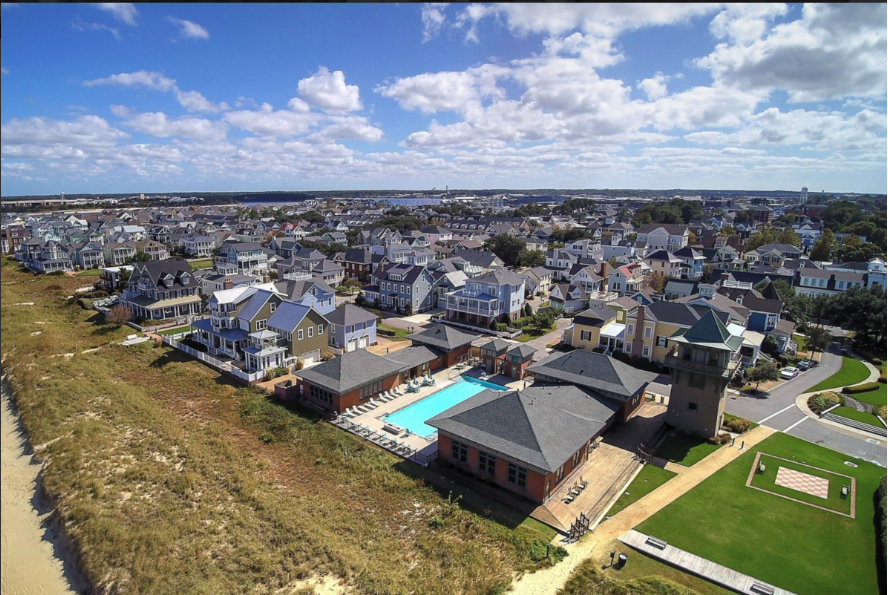

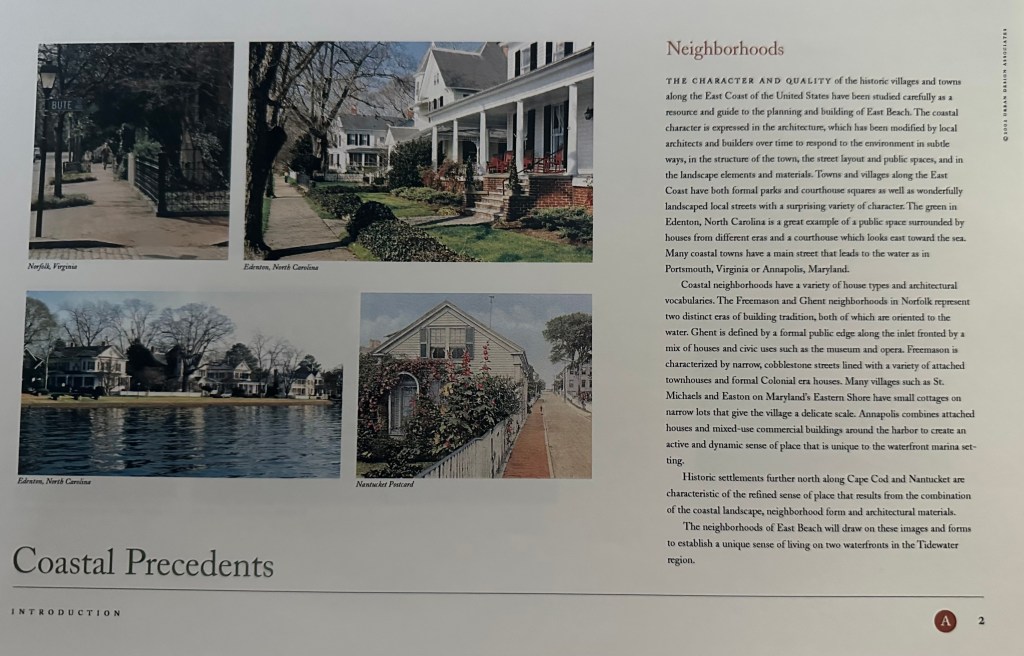
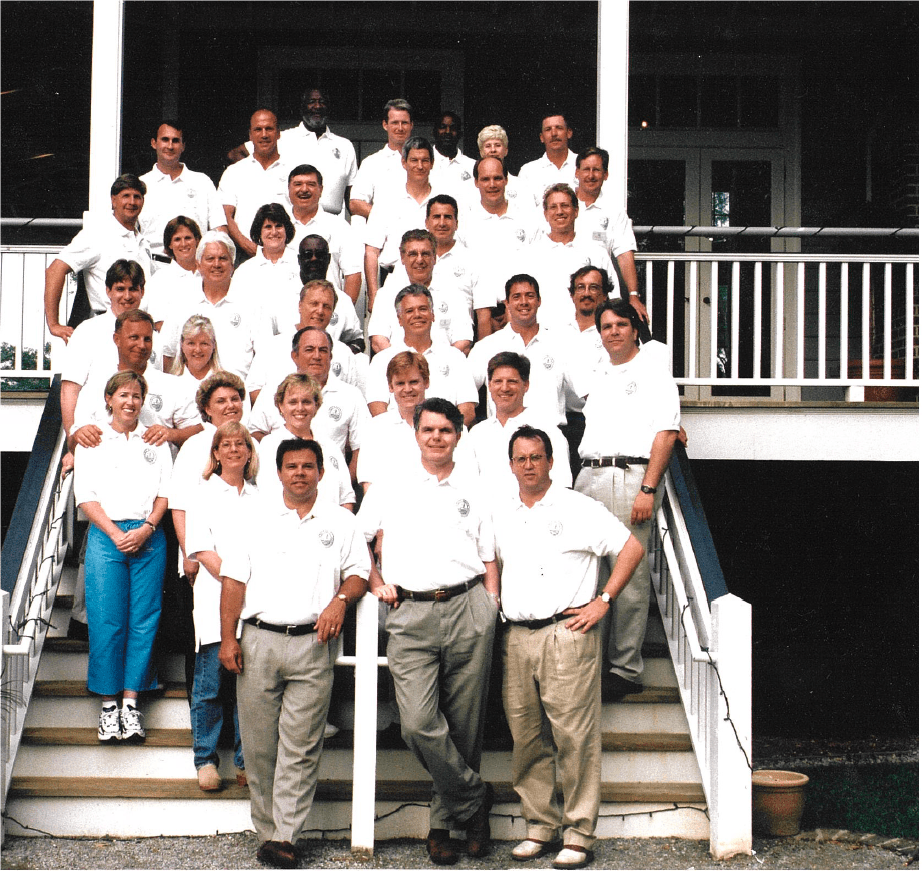
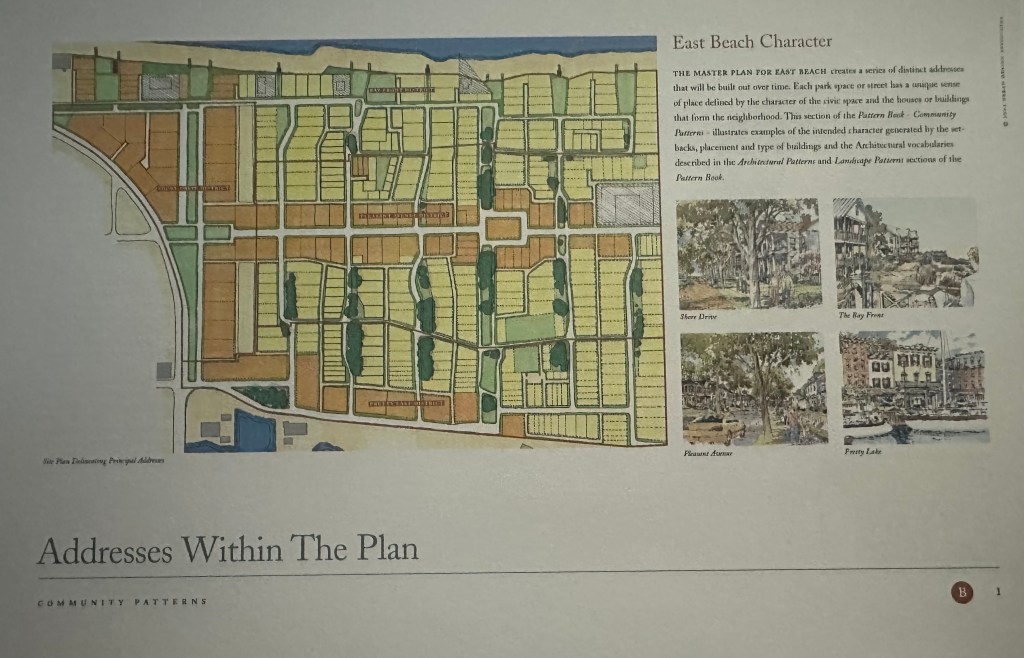
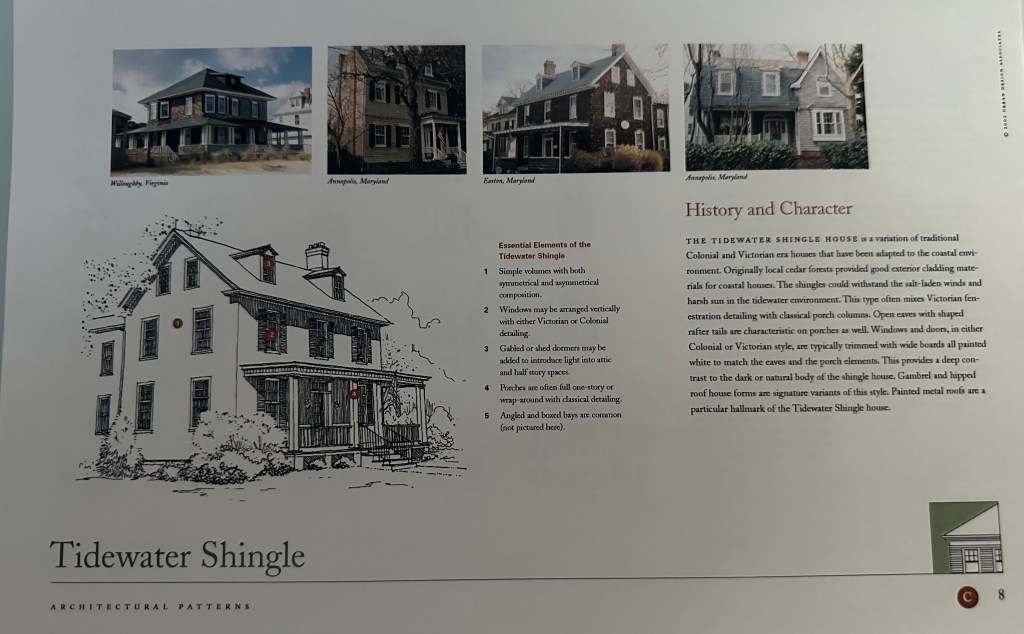
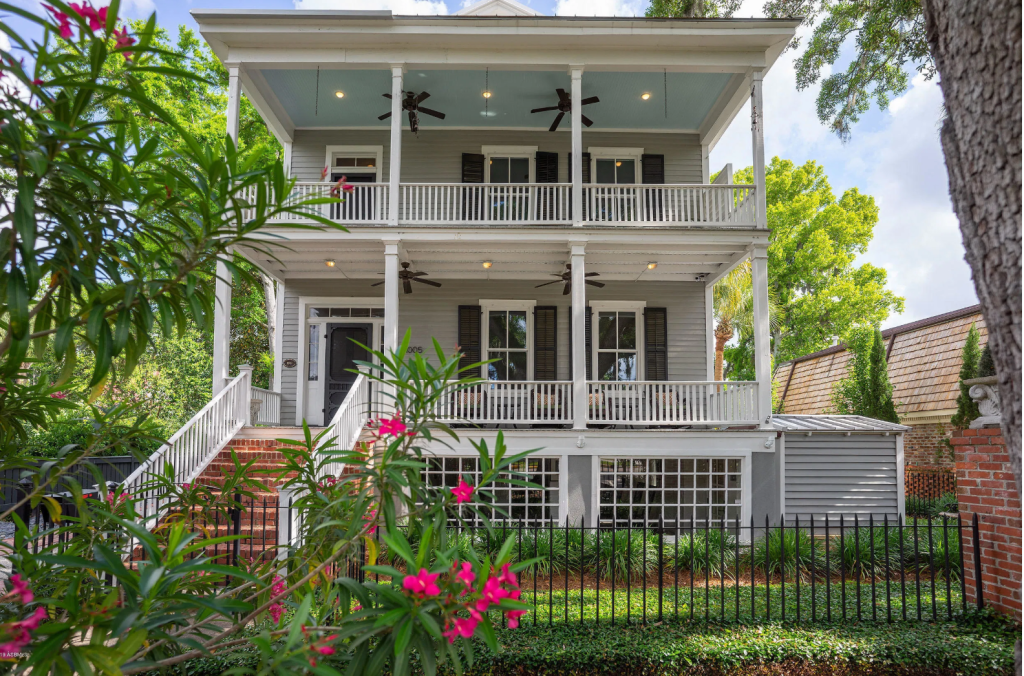
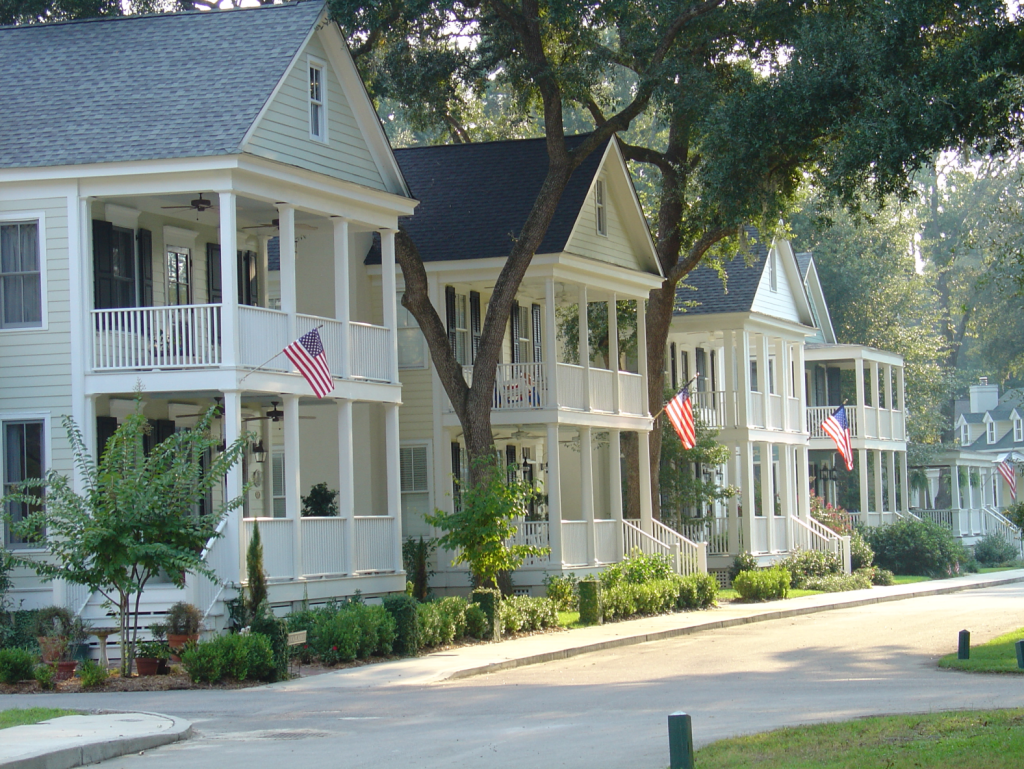

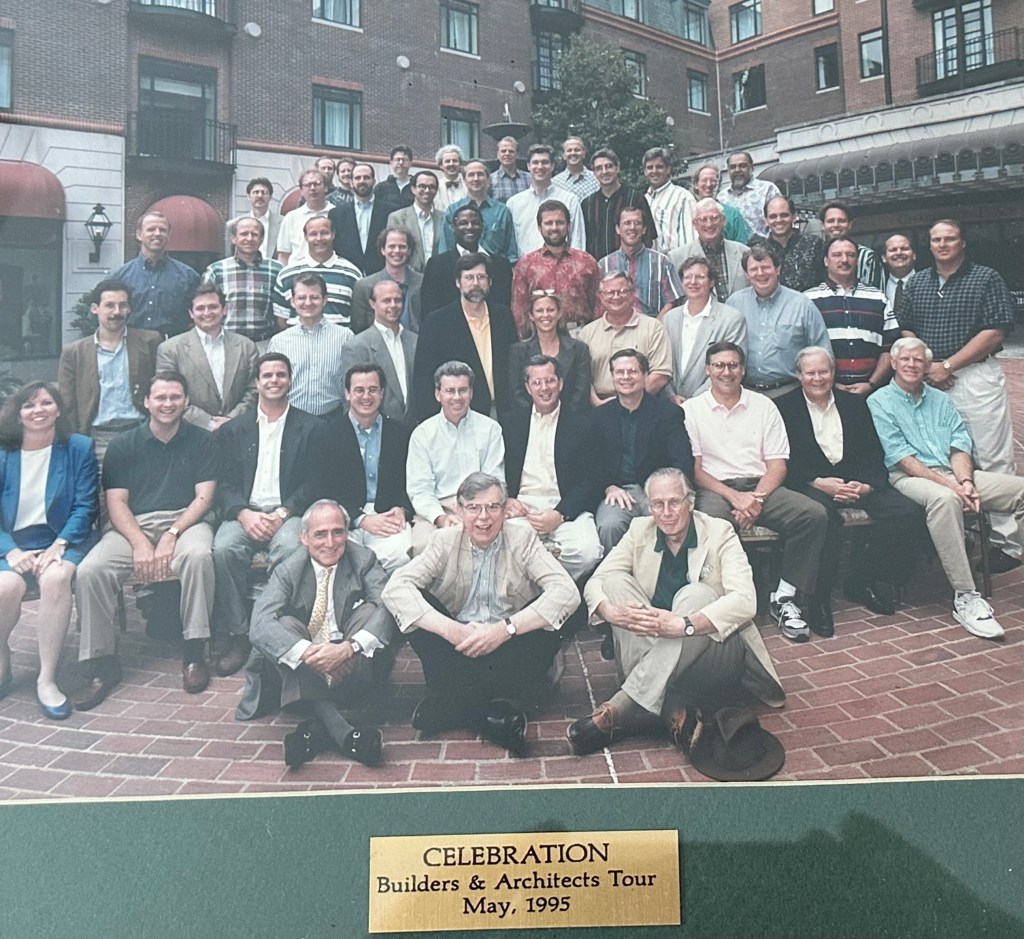
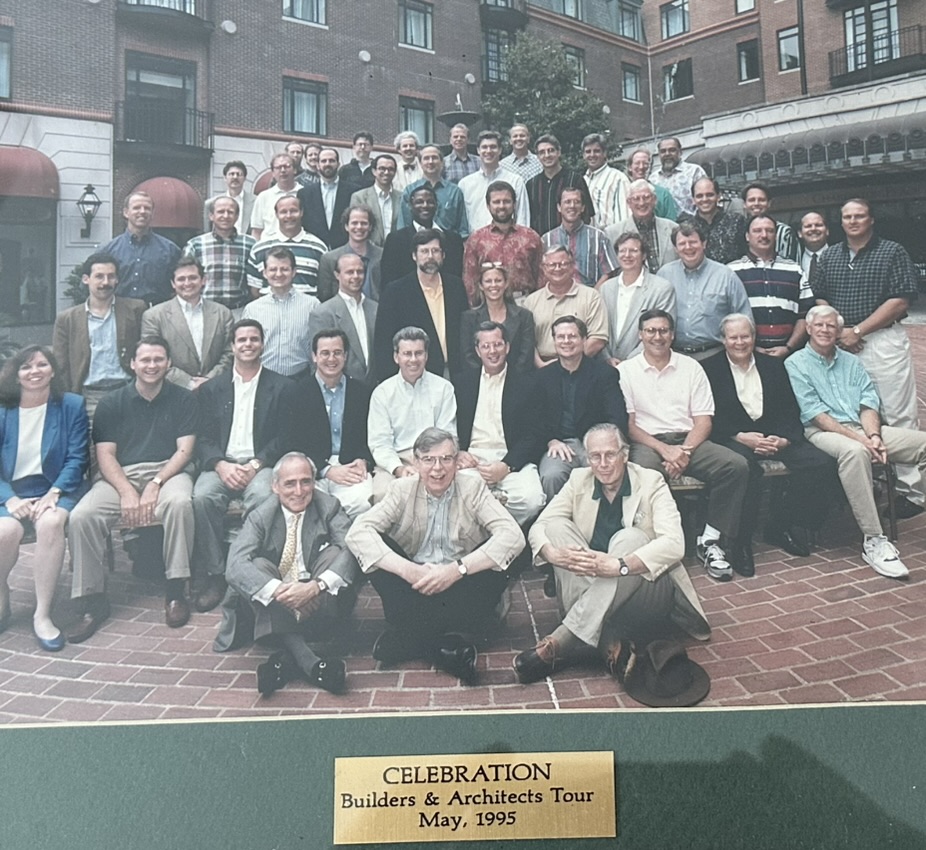

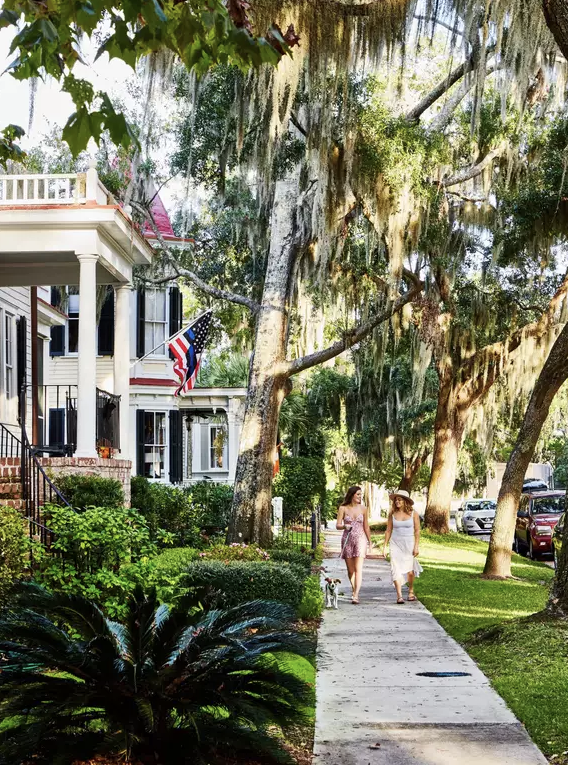
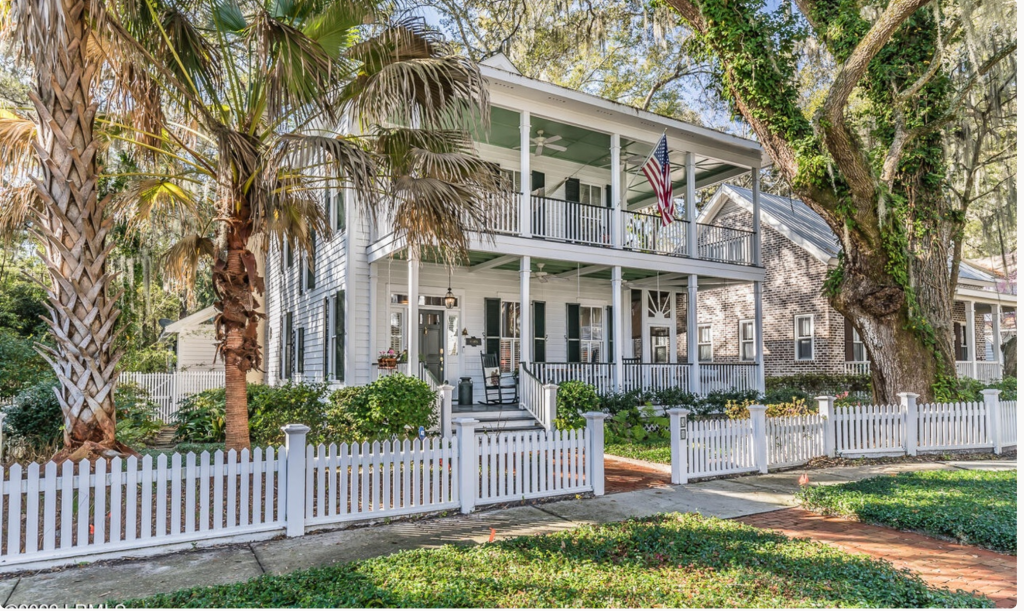
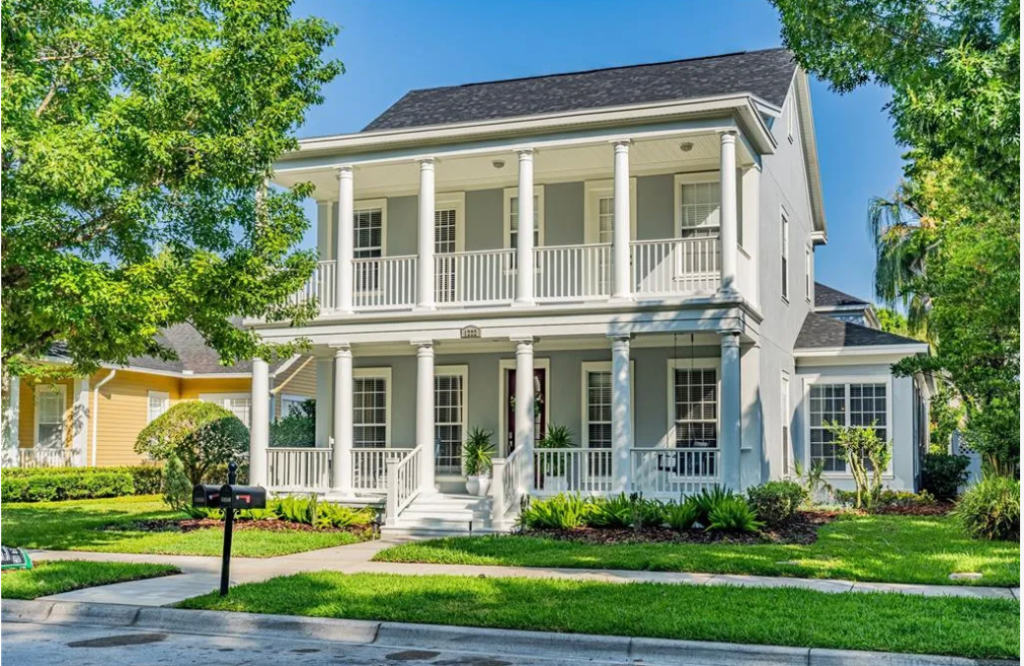
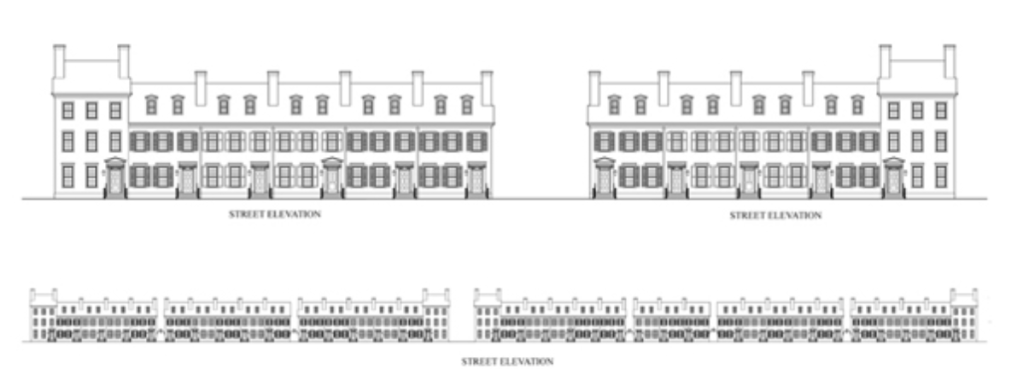
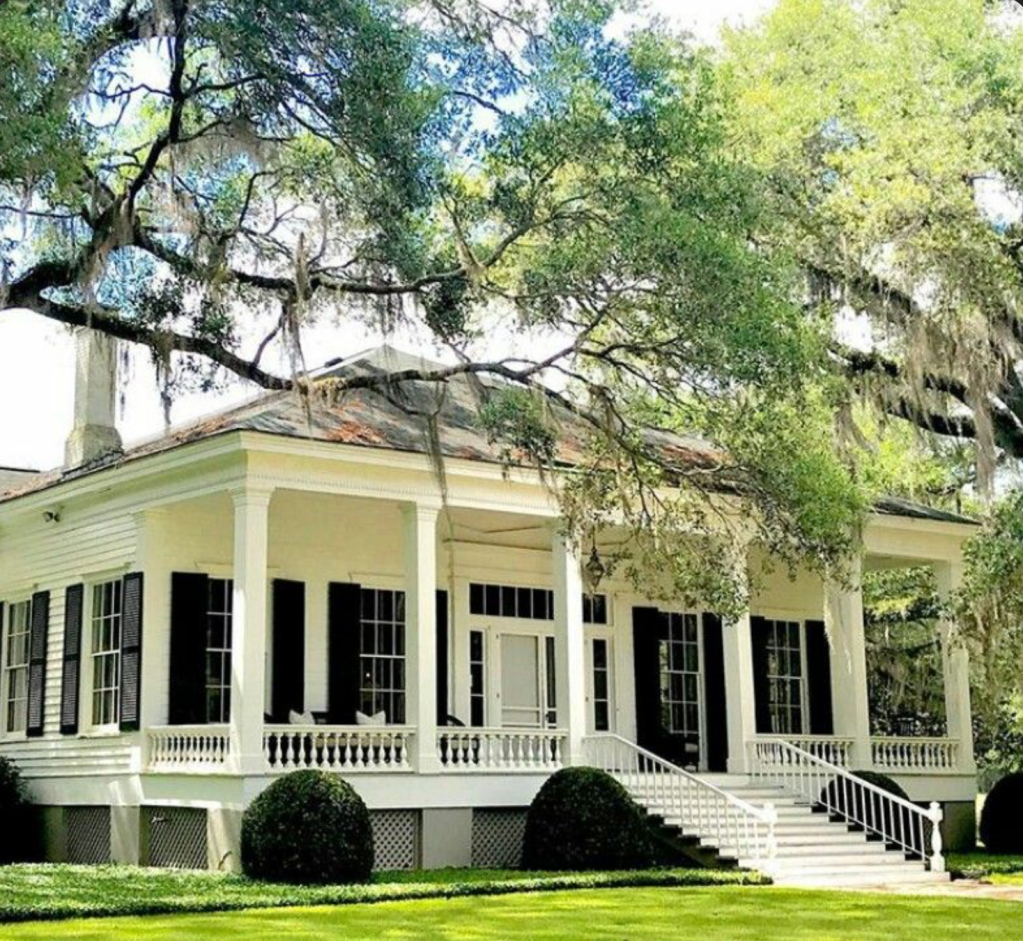

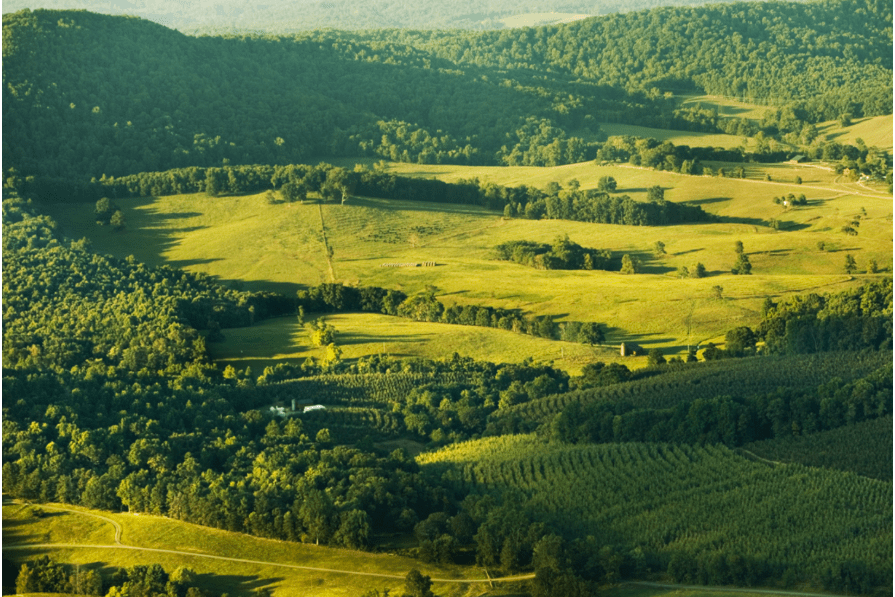

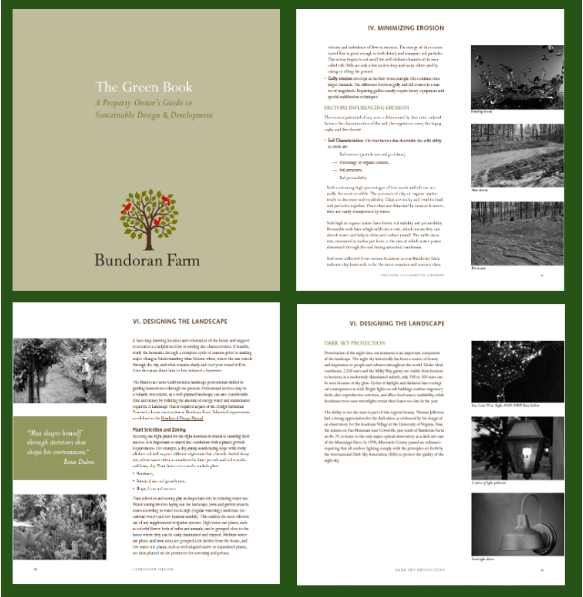
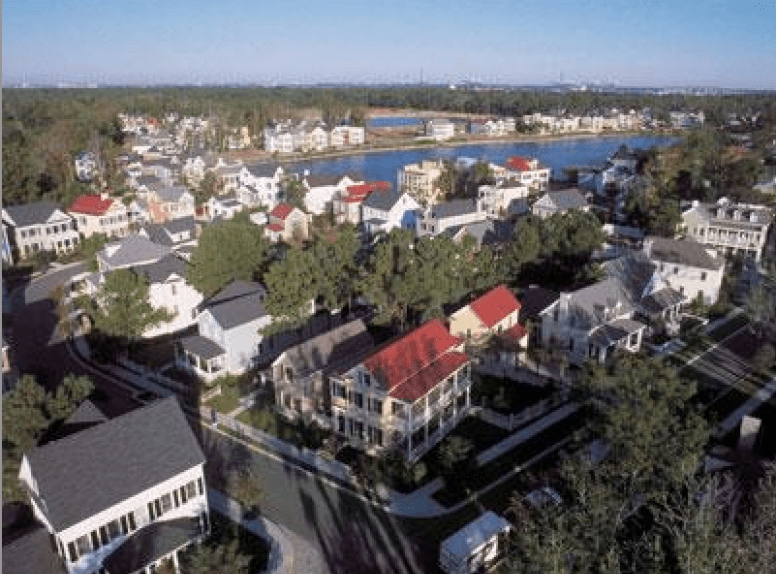
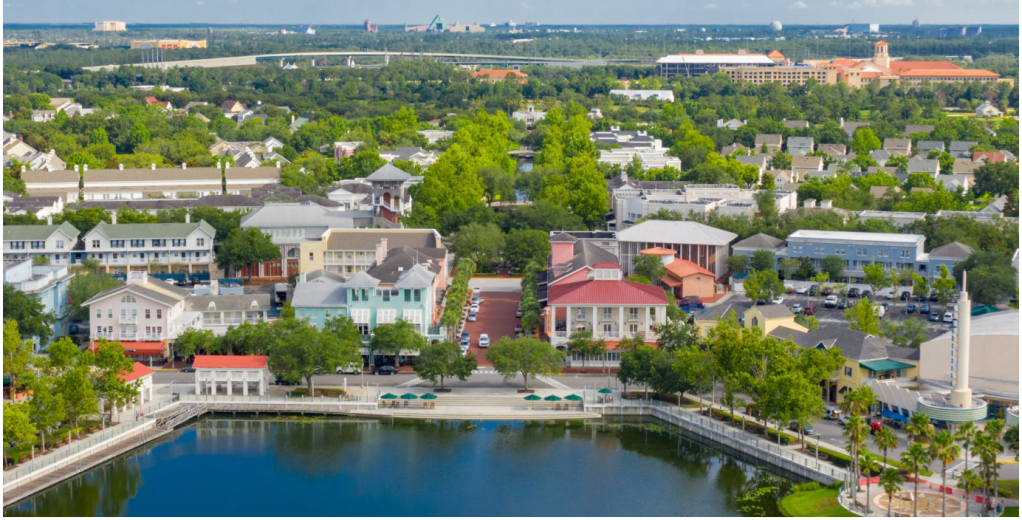
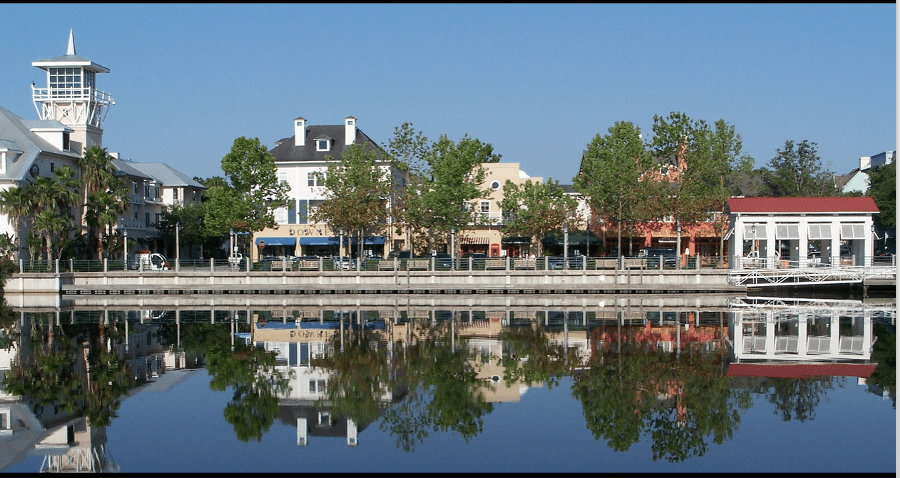
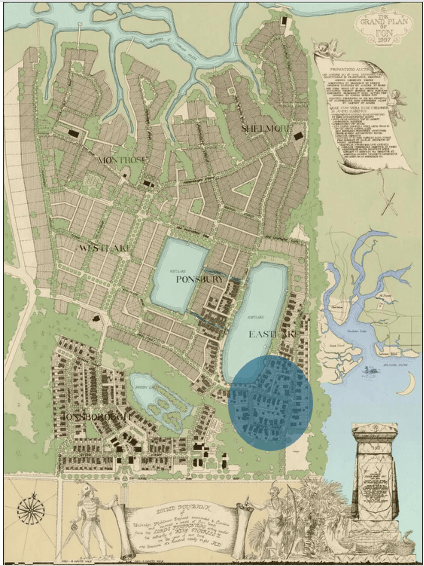
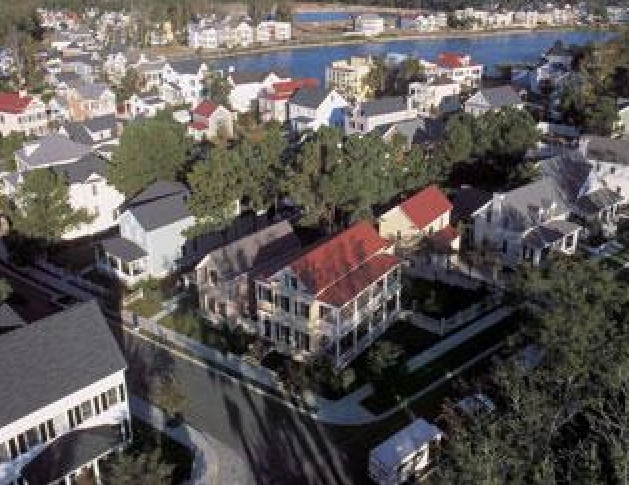
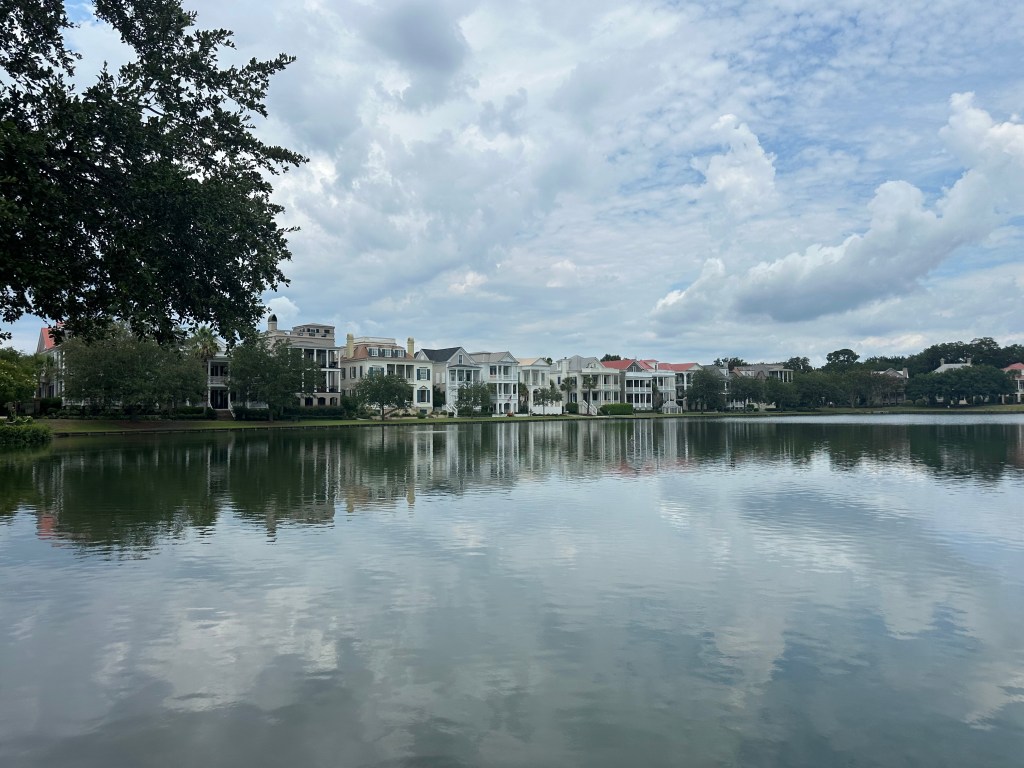
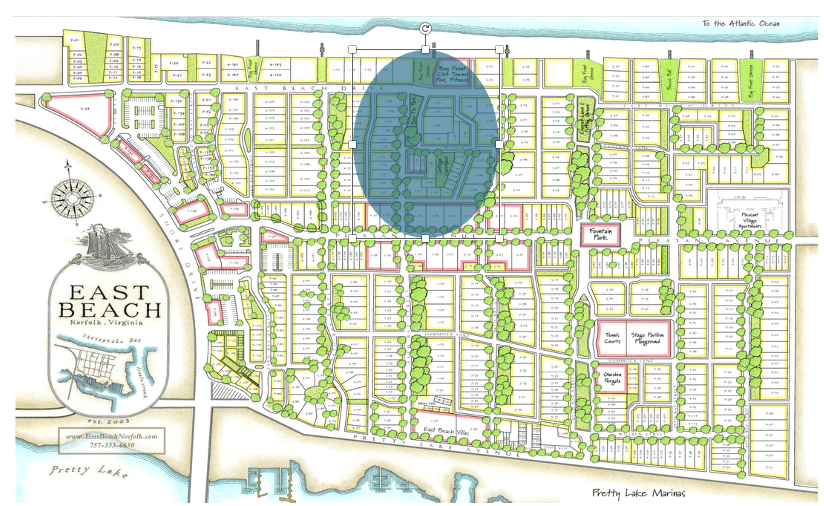
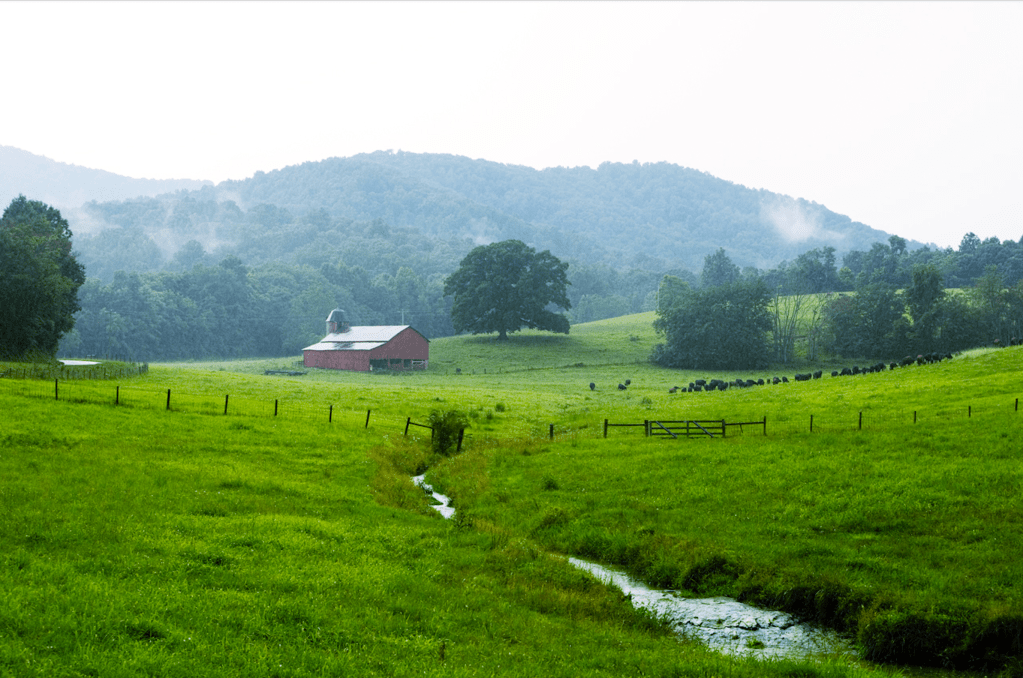
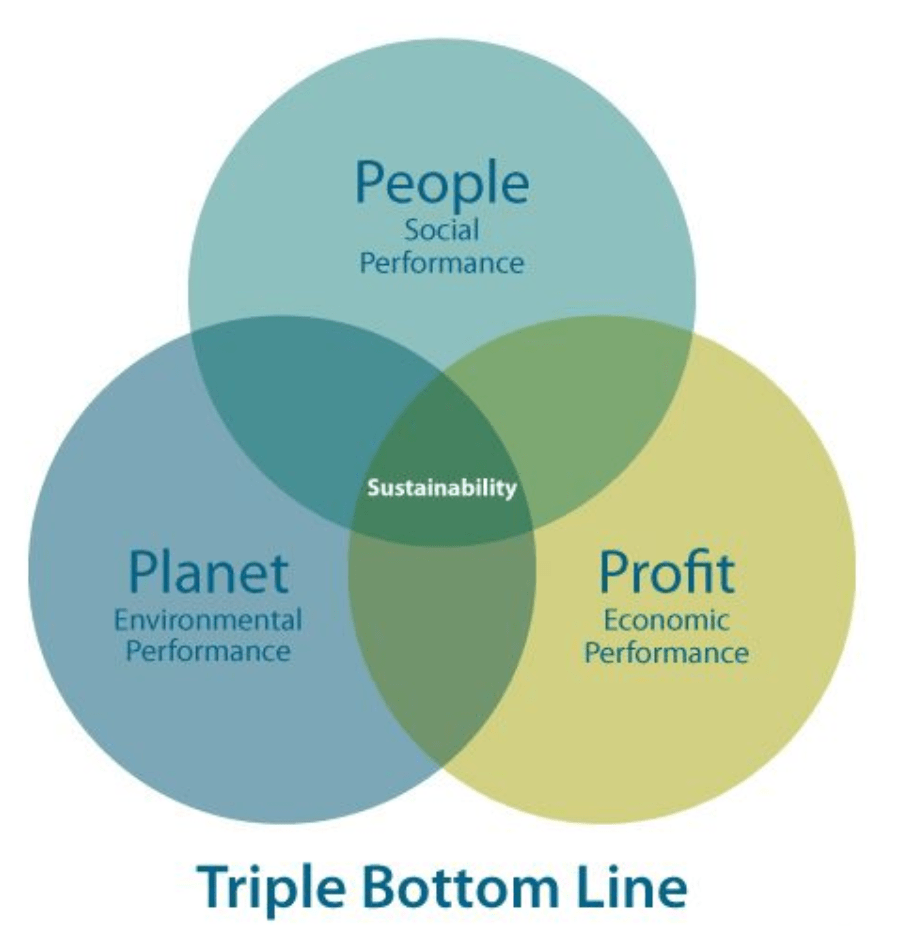
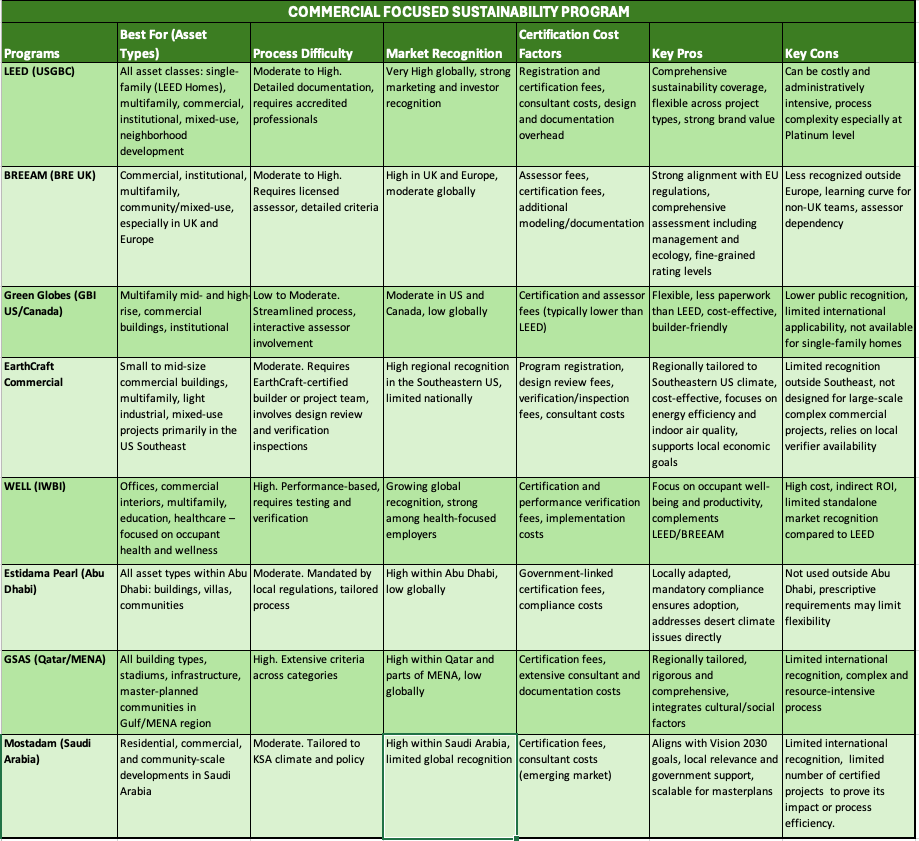
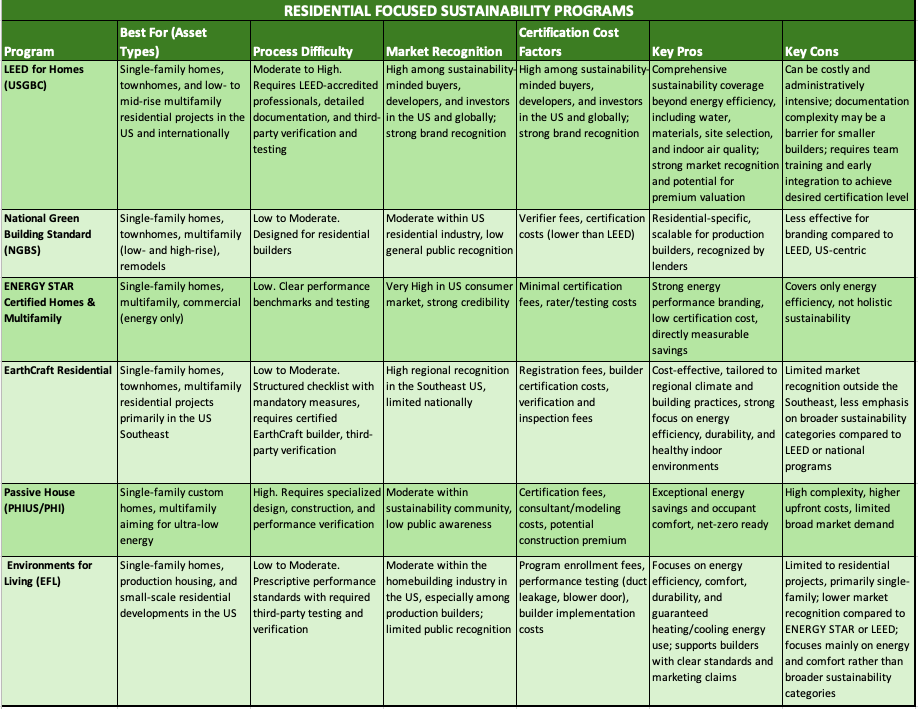
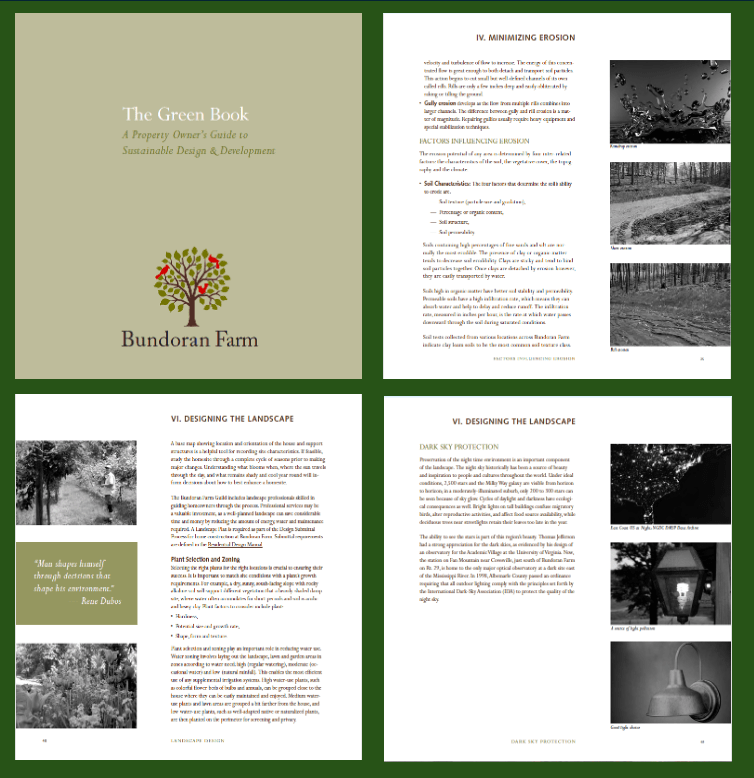
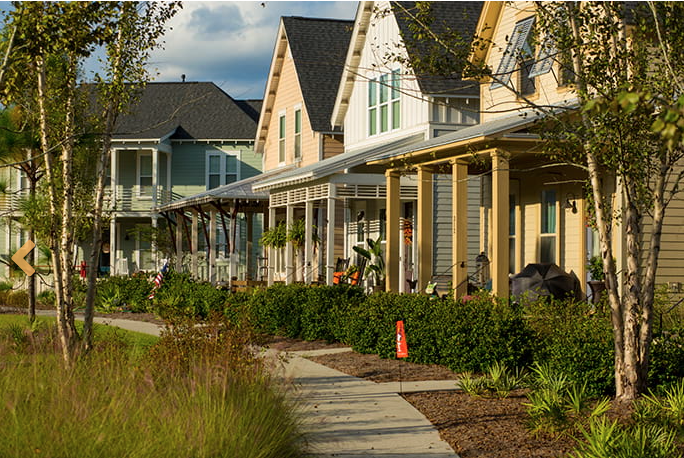

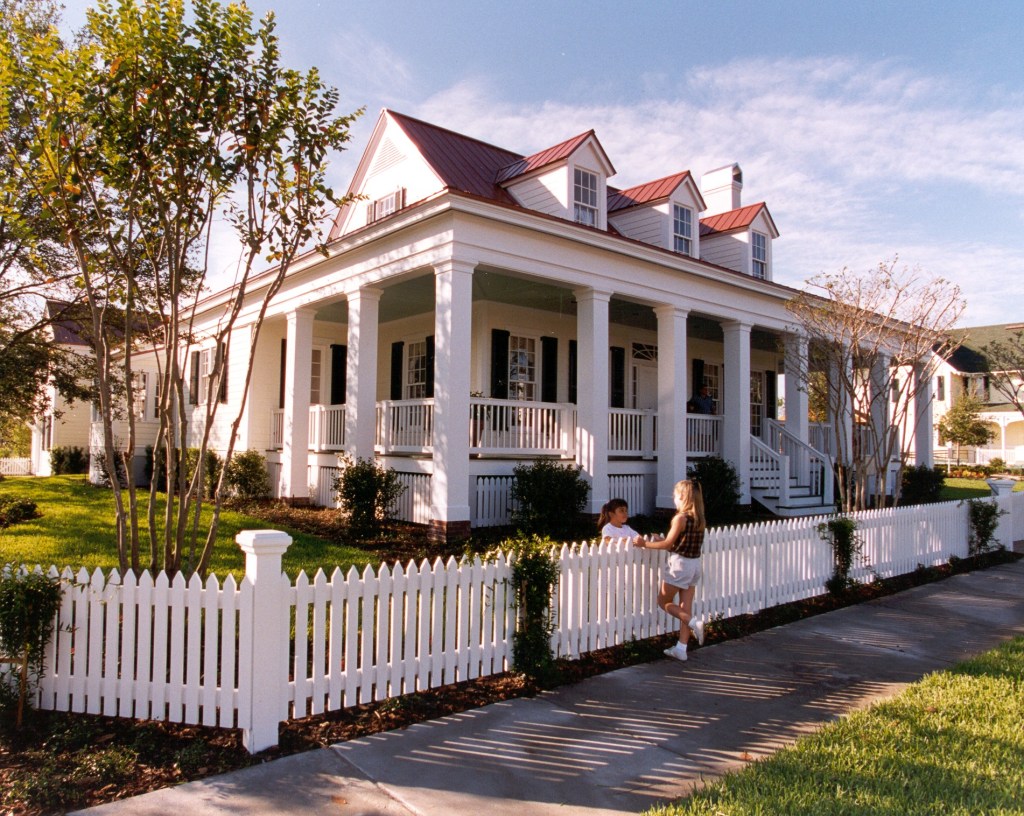
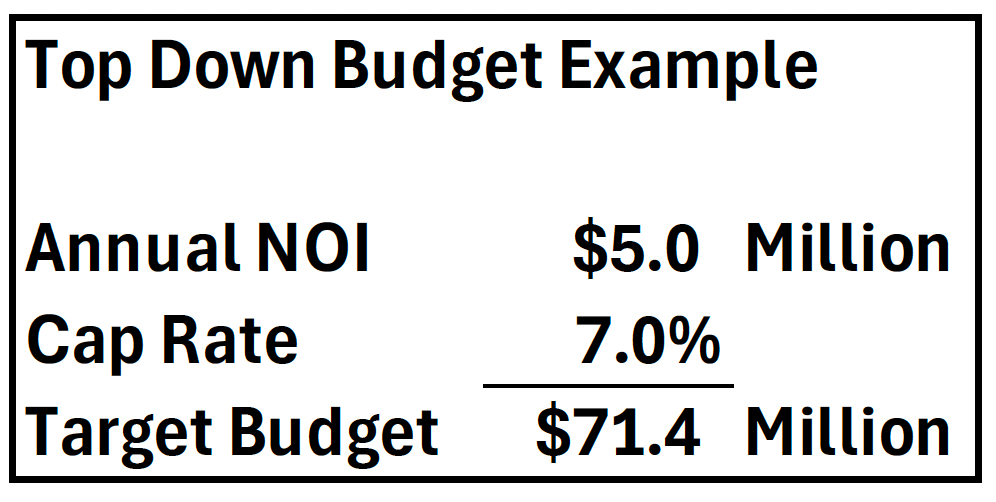
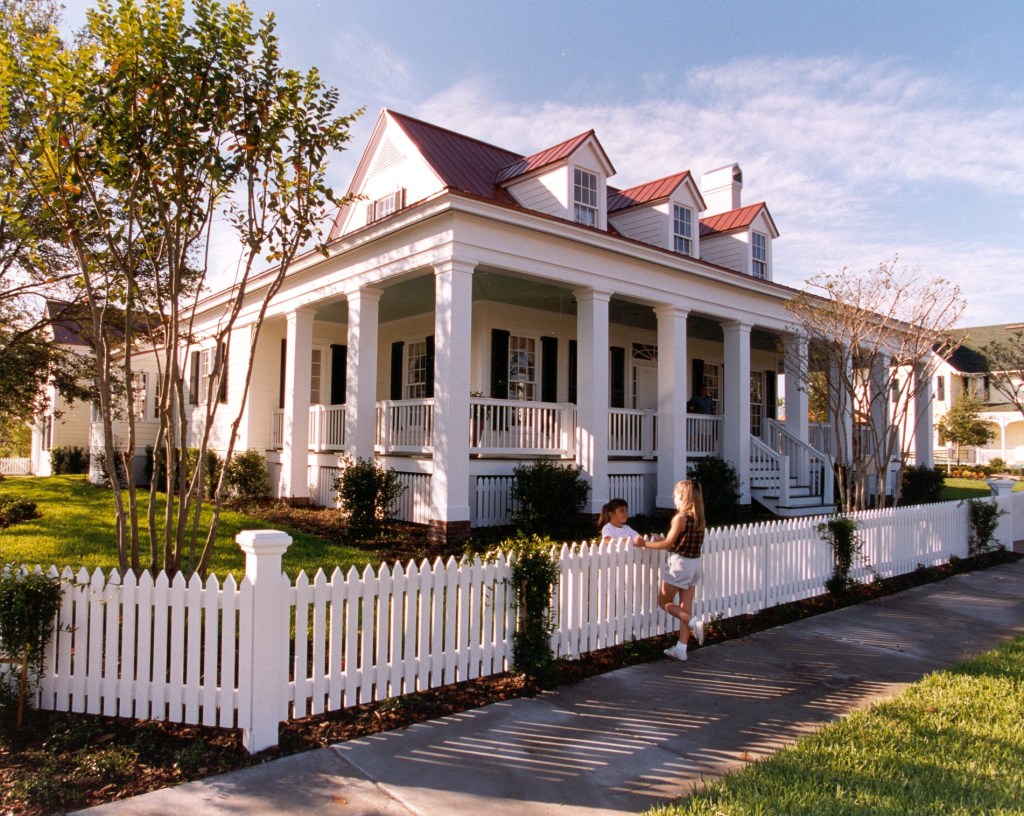
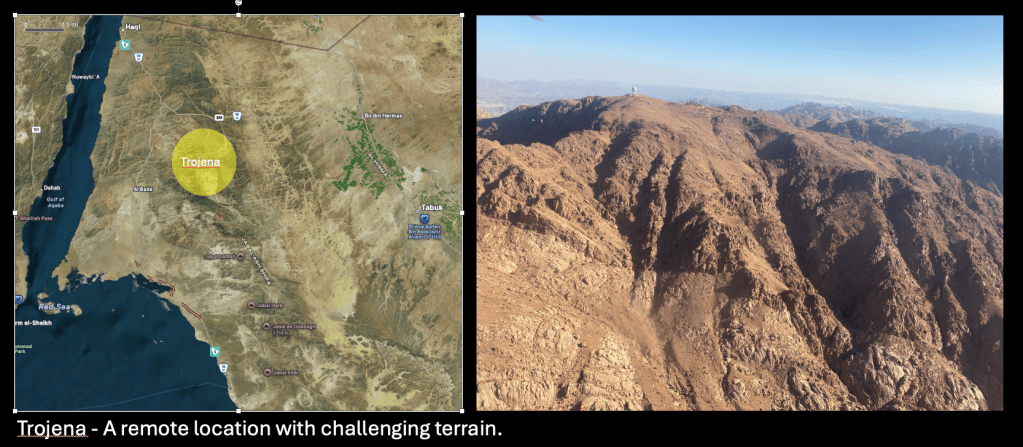
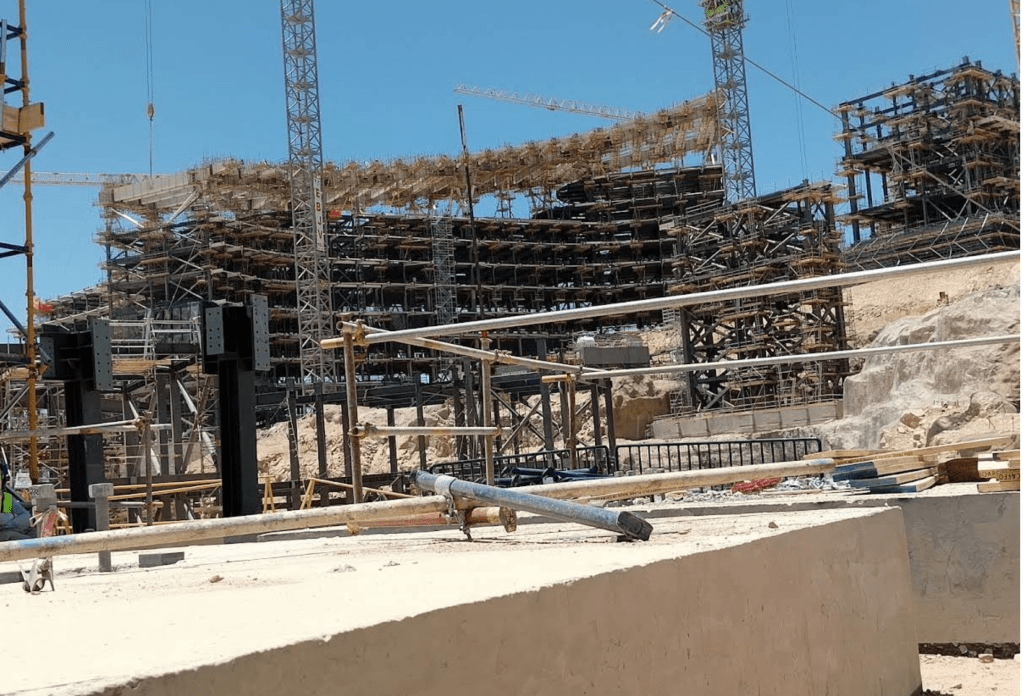
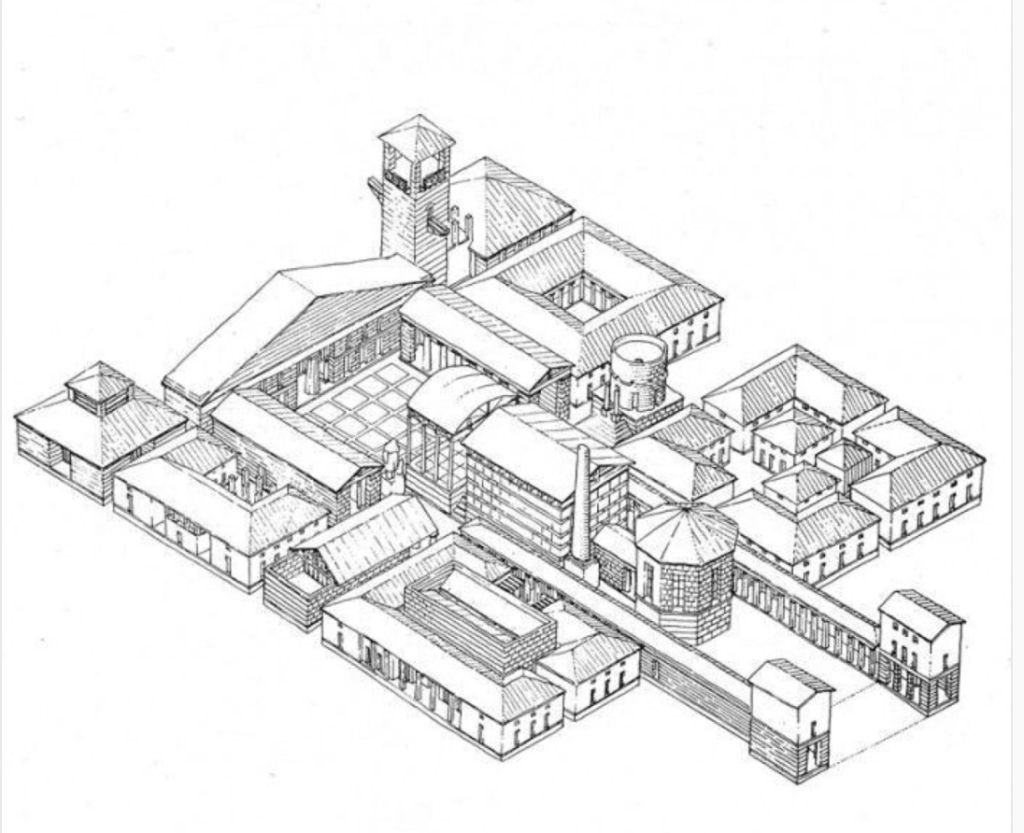
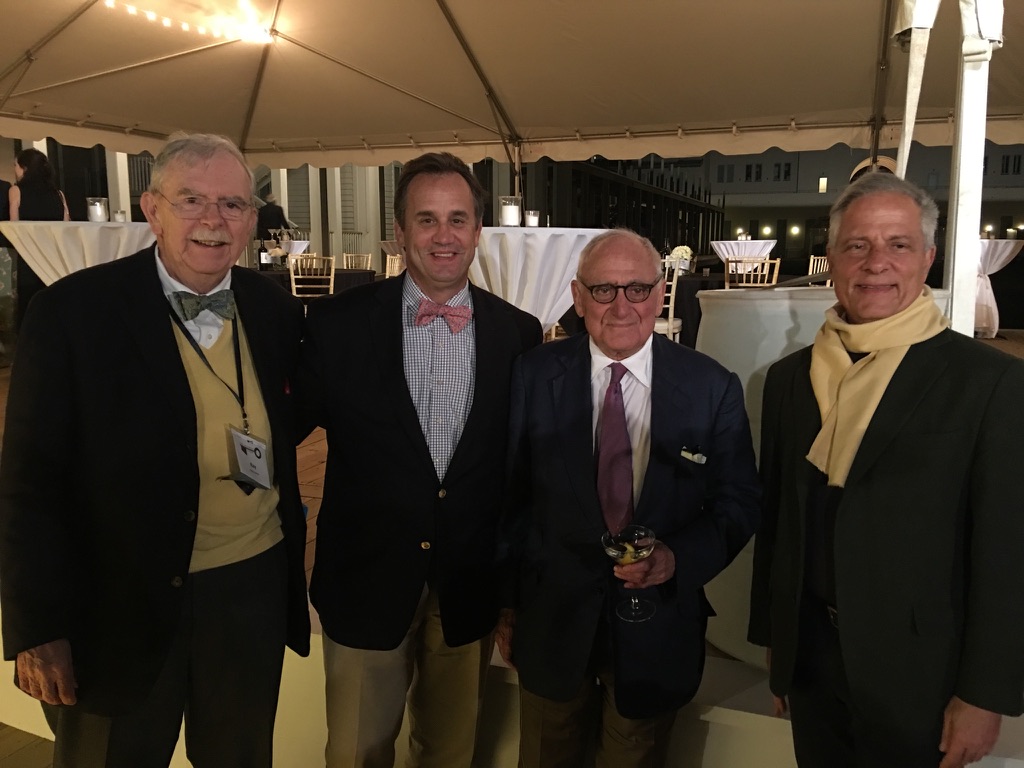
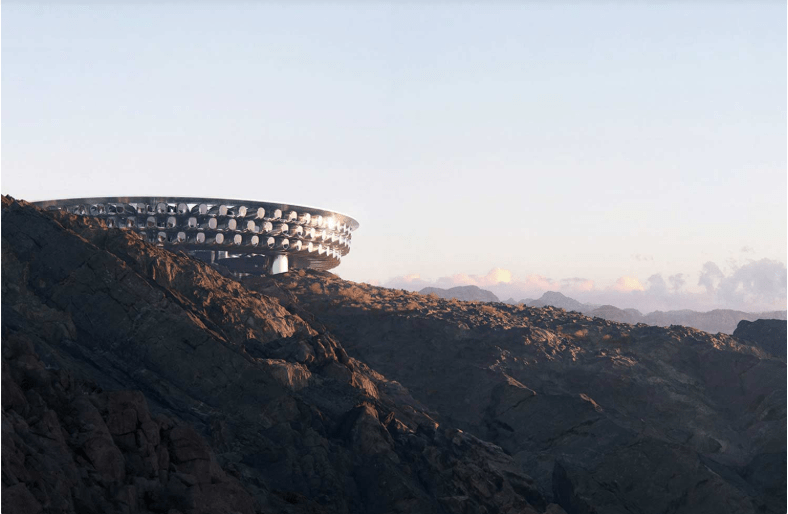
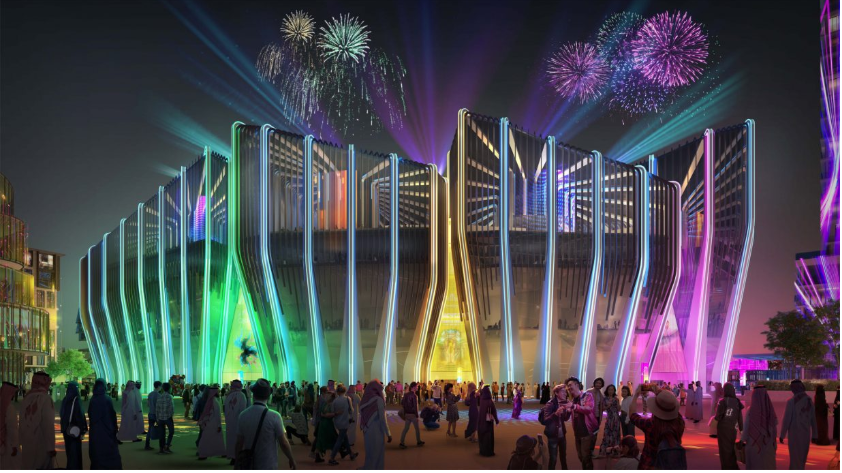

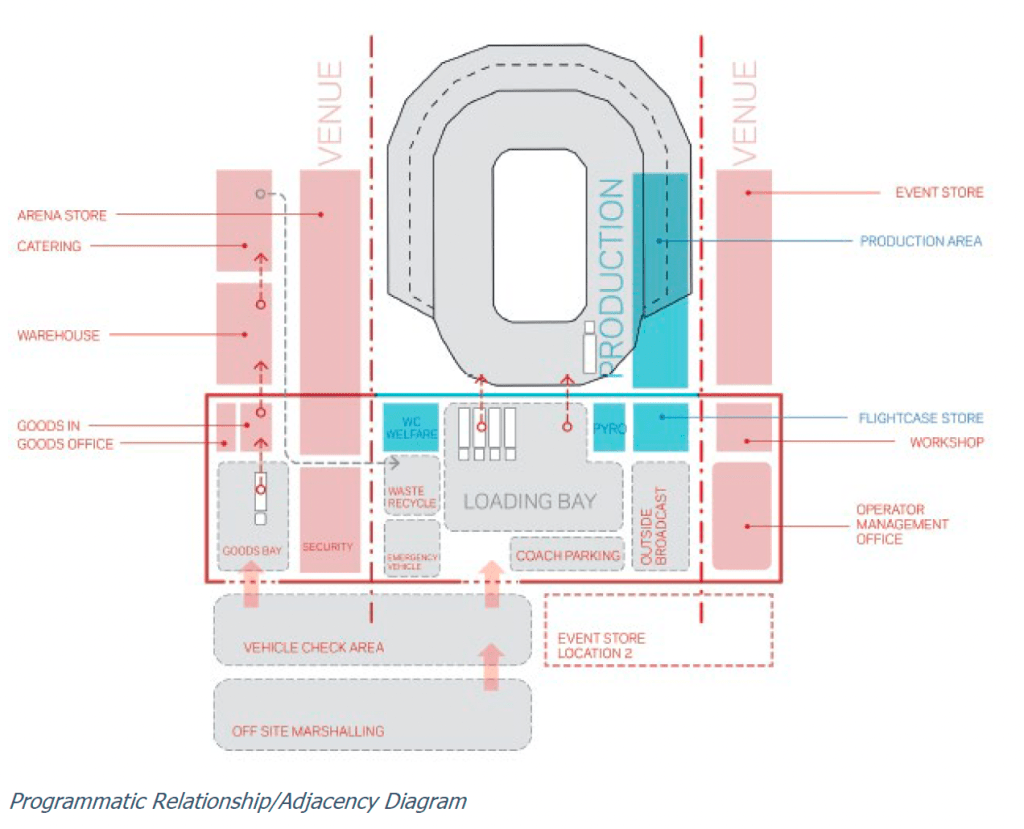


 The Barnes Perspective: Thoughts, Ideas & Lessons Learned from Joseph Barnes