The ball took off like a rocket. One kick, and suddenly, it wasn’t just a game anymore—it was a mission. The kid chased it through streets, yards, past obstacles, over fences. No matter how fast he ran, the ball was always a step ahead. Sound familiar? Maybe not in the literal sense, but in business, design, and real estate development, we’ve all been there—pursuing something that seems just out of reach.

So, what can Stop That Ball! by Mike and Marshall McClintock teach us as professionals? A lot more than you’d think. Here are a couple of lessons worth keeping in mind.
1. Momentum Can Work For or Against You
The ball kept rolling because of momentum. Every bounce, every collision only sent it further along its unpredictable path. The same thing happens in business. Once a project gains speed—whether in the right or wrong direction—it’s hard to stop.
Real-World Illustration: East Beach PUD Approval
At East Beach, a public-private venture, we worked closely with the City of Norfolk, the Redevelopment and Housing Authority, the Norfolk Planning Commission, numerous city departments (public works, fire department, municipal waste, etc.), and various community groups. The goal was to understand their hopes, concerns, and aspirations, develop a strong working relationship, and gain the trust of the people who could impact or be impacted by the project.
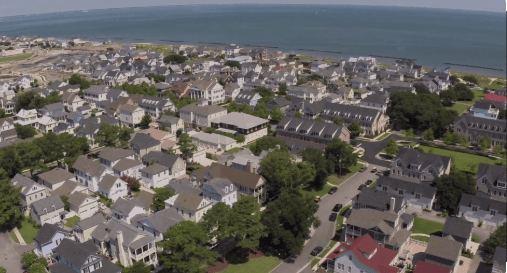
With their understanding and support, our PUD (Planned Unit Development) Ordinance approval process went relatively smoothly. We were aggressive with some of our requests, including:
- Measuring building heights by floors instead of feet to allow for flexibility in ceiling heights and roof pitches.
- Zero-foot setbacks on all sides of lots, ensuring ultimate flexibility in building placement while still adhering to fire codes and street design patterns.
We prepared thoroughly for what we expected to be a contentious approval process—developing a detailed presentation, anticipating and preparing responses to tough questions, and having multiple supporters in attendance, including our land-use attorney.
To our surprise, when the ordinance came up for a vote, the Planning Commission chair announced, “Seeing that we are very familiar with the East Beach PUD and there is no one in attendance to speak against the proposed ordinance, is the East Beach team okay if we skip their presentation and go straight to a vote?”
We responded with an immediate “Yes’, and the ordinance was unanimously approved without modifications. The effort we invested in building trust and momentum from the beginning paid off in ways we couldn’t have anticipated.

Universal Lesson: Be intentional from the start. Set things in motion with clarity, or you’ll spend all your time chasing after problems instead of leading solutions.
How This Applies:
- Early design can decisions shape everything. If you don’t define a clear vision at the outset, course correction later is costly and disruptive.
- Once public sentiment forms, it’s tough to shift. A strong, well-communicated plan from the start prevents misinformation from taking hold.
- A poorly structured approval process can create delays, increasing costs and eroding trust. Start with a solid strategy to avoid unnecessary hurdles.
2. Obstacles Aren’t Roadblocks—They’re Redirections
The ball in Stop That Ball! never actually stops—it bounces off buildings, skims over water, ricochets off walls. Every obstacle just changes its path. The same is true for challenges in business.
Real-World Illustration: The Heather-Hope Tree at Nexton
Trees, especially mature ones, add significant value to neighborhoods. On the community development projects I’ve worked on, we do everything possible to preserve existing trees. At Nexton in Summerville, SC, most of the land was a former pine plantation—acres upon acres of neatly planted pine trees. Not exactly the majestic live oaks that define the Southern landscape.
In a few small, isolated areas, however, there were some live oaks, including one along Rose Drive, right next to a future apartment site. Not an ideal location for a live oak to thrive. But because it was one of the few mature live oaks in that section of Nexton, we knew we had to protect it.
Derek Harris had recently joined the Nexton development team as Construction Manager, overseeing infrastructure and amenities. As we reviewed plans, we emphasized the importance of preserving trees. Derek was skeptical about saving this particular live oak. Road construction and nearby apartment development would require root pruning and drainage modifications—serious risks to the tree’s survival.
Despite his reservations, Derek agreed to try but offered no guarantees. To give him extra motivation, I asked if he had kids. He responded, “I have two daughters. Their names are Heather and Hope.” Immediately, I named the tree The Heather-Hope Tree, telling him to protect it just as he would his daughters.
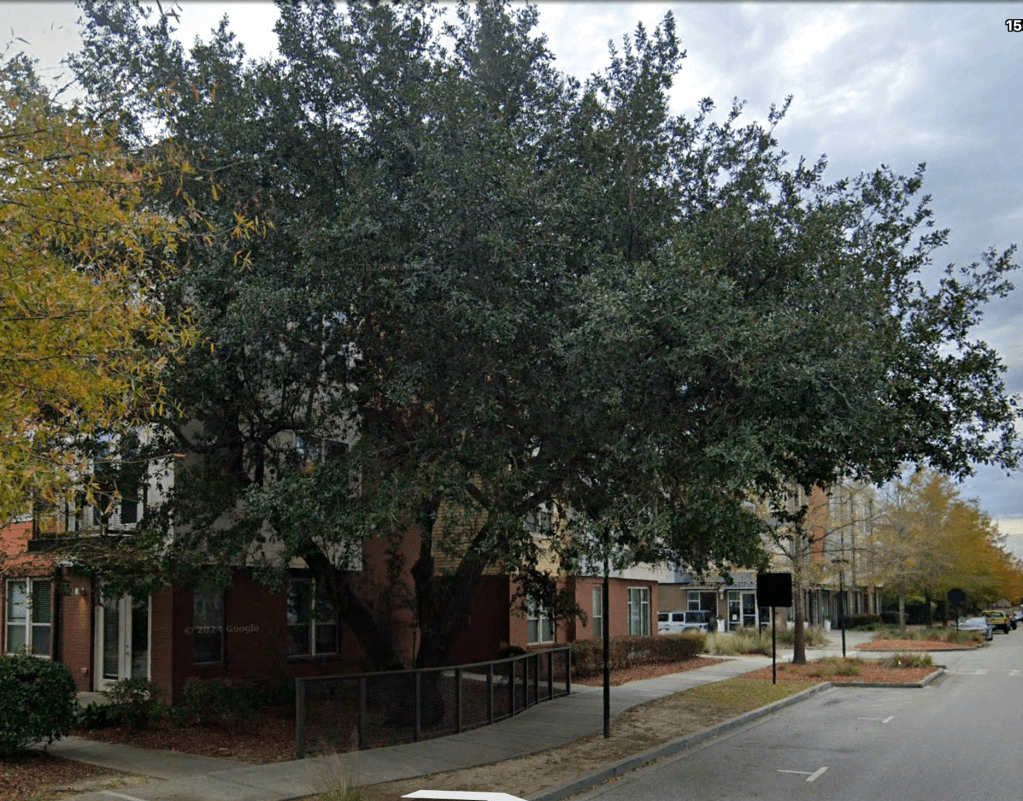
Being both an excellent father and a skilled development professional, Derek took every possible step to protect the tree. Months later, after construction was complete, the live oak was still standing. Derek walked me to the site, beaming with pride, and pointed out a plaque he had installed: Heather-Hope Tree.
Universal Lesson: Obstacles aren’t the end of the road. They’re just course corrections. The key is to stay focused on the primary goals, remain adaptable and use any obstacles you encounter to your advantage.
How This Applies:
- Budget cuts or material shortages force creative problem-solving. Some of the best designs emerge from constraints.
- Resistance from stakeholders isn’t a full stop. It’s an opportunity to refine your approach, address concerns, and strengthen stakeholder buy-in.
- Site conditions may seem like setbacks, but they often push developers toward more sustainable, long-term solutions.
Final Thought
Just like that kid chasing the ball, you’re going to face momentum, obstacles, and setbacks. The question isn’t whether challenges will come—they will. The real question is: How will you respond? Will you let them stop you, or will you turn them into fuel to keep going?
Your work in design, community building, or real estate development is a high-stakes game. Keep your eye on the ball, and never stop running after what matters.
 The Barnes Perspective: Thoughts, Ideas & Lessons Learned from Joseph Barnes
Leave a comment