If you have spent any time at all in the community design and development world, you have most likely seen or experienced this.
A new neighborhood, village, or building is envisioned and brought to life by a team of skilled, passionate, and experienced design professionals. This team may include urban designers, architects, landscape architects, and civil engineers. Multi-day public information sessions and design charrettes often take place, gathering valuable input from local citizens, key stakeholder groups, special interest organizations, municipal leaders, and staff. The excitement is palpable, and the anticipation builds as beautifully rendered site plans emerge. Perspective images—whether soft, evocative watercolors or highly detailed photo-realistic CGIs—convey the intended look, feel, and character of the proposed intervention into the built environment. Optimism runs high, and the design professionals are celebrated as heroes.
Fast Forward a Few Years…
Construction is well underway. You drive through or walk the project site, and disappointment sets in. The quality and character of what has been built feel like a far cry from the original renderings. Sometimes, the disconnect is obvious—alterations to building forms, scale, and character, or changes in their relationship with adjacent streets, parks, or buildings. Other times, it’s subtle—details only noticeable to experienced professionals, like the width of a street, building setbacks, the relationship between a column and its entablature, or a cornice return that’s just slightly off. Regardless of the scale of these deviations, the result is the same—a project that falls short of its initial promise.
Or Worse, It Never Gets Built…
Perhaps even more frustrating are the projects that never make it off the drawing board. I’ve spoken with well-meaning landowners, family offices, institutions, and less experienced private developers who invested significant resources to engage top-tier design professionals, only to end up with designs that were beautiful but wholly unfeasible—economically, operationally, or both. These designs, though innovative and visually compelling, lacked grounding in reality. They didn’t account for existing physical conditions, market sensitivities, building codes, zoning regulations, realistic budgets, or the complexity of implementation processes. As a result, these visionary plans never made it beyond a folder in a drawer, gathering dust.
An idea without a solid plan for execution is a dream. And an execution plan without a compelling vision is a waste of time.
The Common Denominator: Poor Design Management
In both scenarios—projects that are poorly implemented and those that never move beyond the concept phase—the root cause is often the same: a lack of effective Design Management.
What is Design Management? And How Is It Different from Design or Development Management?
When you’re building something remarkable—whether it’s a vibrant mixed-use community, a resort that blends seamlessly with its surroundings, or a transformative urban project—you need more than a great architect and a solid business plan. You need someone who can bridge the gap between those two worlds.
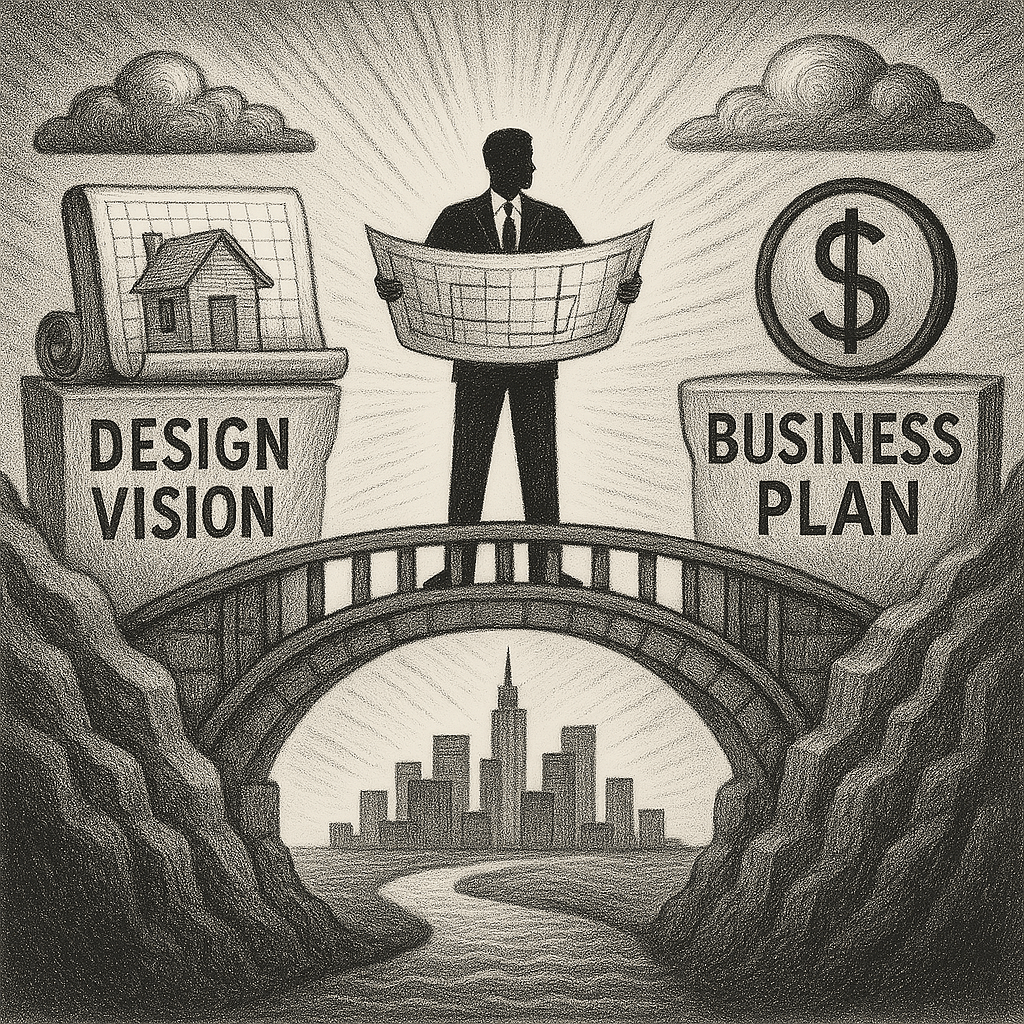
This is where a strong Design Management professional or team comes in. They serve as the translator between the business vision and the design vision, ensuring that what gets built is not only aligned with the project’s financial and operational goals but also embodies the timeless principles of firmitas, utilitas, and venustas—firmness, commodity, and delight.
- Firmness ensures structural integrity and durability.
- Commodity focuses on functionality and user experience.
- Delight captures the aesthetic and emotional resonance that makes a place memorable.
Balancing these principles isn’t easy. It requires someone who can think analytically and creatively—someone who understands the developer’s financial objectives and can also envision how the project will feel, function, and evolve over time. A good Design Manager ensures that the final built product looks as good—if not better—than the initial renderings and leaves a lasting positive impact, not just aesthetically but also culturally, socially, and financially.
Key Responsibilities of a Design Management Team
1. Establishing and Refining the Projects Strategic Definition
Long before any lines are drawn, the Design Manager helps shape the project’s core vision. This involves deep dives into market positioning, understanding community context, and setting realistic but aspirational goals. The vision isn’t just about what the project looks like—it’s about how it lives, breathes, and contributes to the larger environment over time.
2. Engaging Stakeholders and Building Alignment
Successful projects thrive when stakeholders are aligned. A Design Manager facilitates early conversations with developers, investors, community leaders, and future operators, ensuring that everyone’s voice is heard and expectations are managed. This isn’t just about gathering input—it’s about distilling that input into a cohesive direction that keeps the project moving forward.
3. Developing a Comprehensive Design Brief
A well-crafted design brief is a North Star for the entire team. It captures the project’s vision, goals, target audience, and operational needs. The Design Manager ensures the brief is not just a document, but a living guide that evolves as new insights and constraints emerge.
4. Conducting Project Due Diligence
Great design decisions are rooted in reality. The Design Manager ensures that environmental conditions, regulatory constraints, infrastructure requirements, and financial parameters are understood before design concepts go too far. This prevents costly rework and ensures that the design aligns with the project’s constraints from day one.
5. Identifying, Recruiting, and Managing Design Professionals
Choosing the right design partners is crucial. The Design Manager doesn’t just hire big-name architects—they look for professionals whose expertise and approach align with the project’s goals. They guide the team’s efforts, ensuring consistency between the initial vision and the evolving design.
6. True Value Engineering
True Value Engineering isn’t just about cutting costs—it’s about engineering value into the project. A good Design Manager challenges the team to explore creative solutions that enhance functionality and quality while remaining financially viable.
7. Creating Processes, Tools, and Communication Strategies
Design is inherently iterative, and without strong processes, projects can easily drift off course. Design Managers develop systems to track decisions, document feedback, and ensure that communication flows smoothly between all parties. They provide clarity and consistency, helping to avoid misunderstandings and missed opportunities.
8. Serving as a Design Coach and Guide
A Design Manager doesn’t just manage—they coach. They inspire the team to aim higher, guide them through challenges, and keep them focused on the bigger picture. When inevitable conflicts arise—between aesthetics and budget, or vision and timeline—they help the team navigate those tensions with clarity and purpose.
How Design Management Differs from Other Roles
It’s easy to confuse the role of a Design Manager with that of a design professional or a development project manager. But they serve distinct and complementary functions:
- Design Professionals (architects, landscape architects, interior designers) focus on developing the creative and technical aspects of the project’s design. Their expertise lies within their specific discipline.
- Development Project Managers oversee schedules, budgets, approvals, and delivery timelines. They keep the overall development process on track and ensure that milestones are met.
A Design Manager, however, operates at the intersection of design and business. They balance competing priorities and ensure that the design intent is never sacrificed in the name of expediency. They advocate for the project’s long-term success—pushing the team to create something that performs well financially and resonates deeply with those who experience it.
What’s Next: Walking Through the Design Management Process
Now that we’ve explored the critical role of Design Management, we’ll take a deeper dive into how this function weaves through the entire development process—from initial project visioning through to turnover to the owner or operator. Along the way, we’ll highlight the key moments where Design Management adds value, the challenges that can derail even the best-laid plans, and the strategies that ensure a project lives up to its full potential.
Let’s get started.
 The Barnes Perspective: Thoughts, Ideas & Lessons Learned from Joseph Barnes
Leave a comment