More than 25 years ago, I had the privilege of helping shape a community that many now regard as one of the most architecturally successful New Urbanist neighborhoods in the country: I’On, in Mount Pleasant, South Carolina.
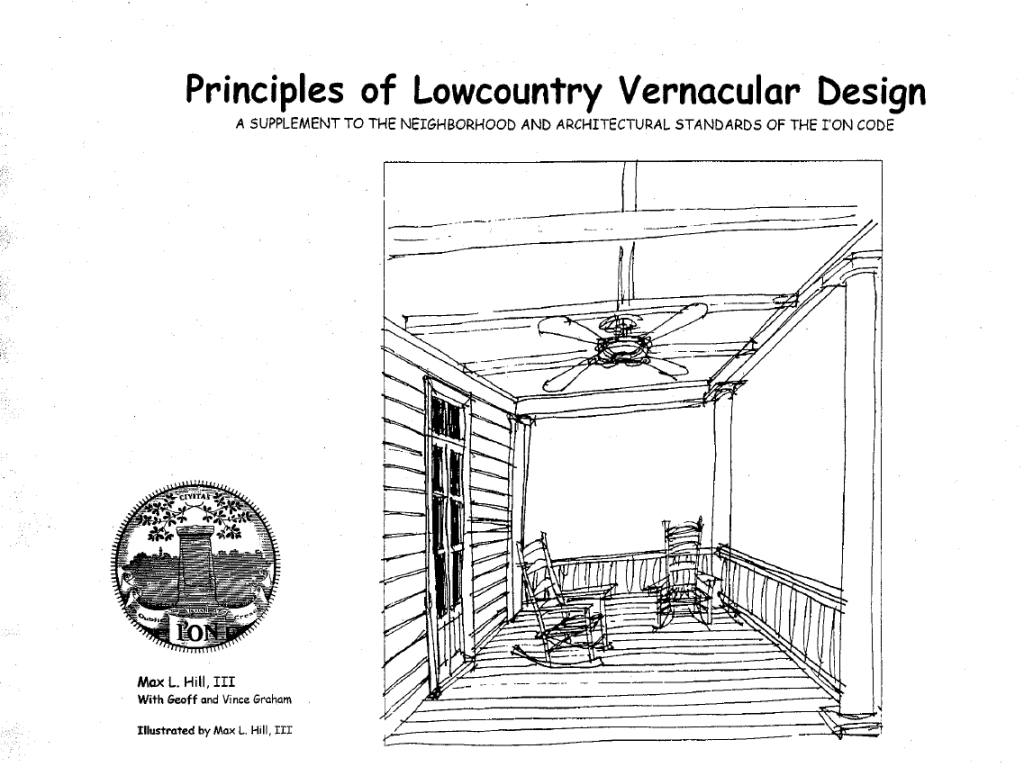
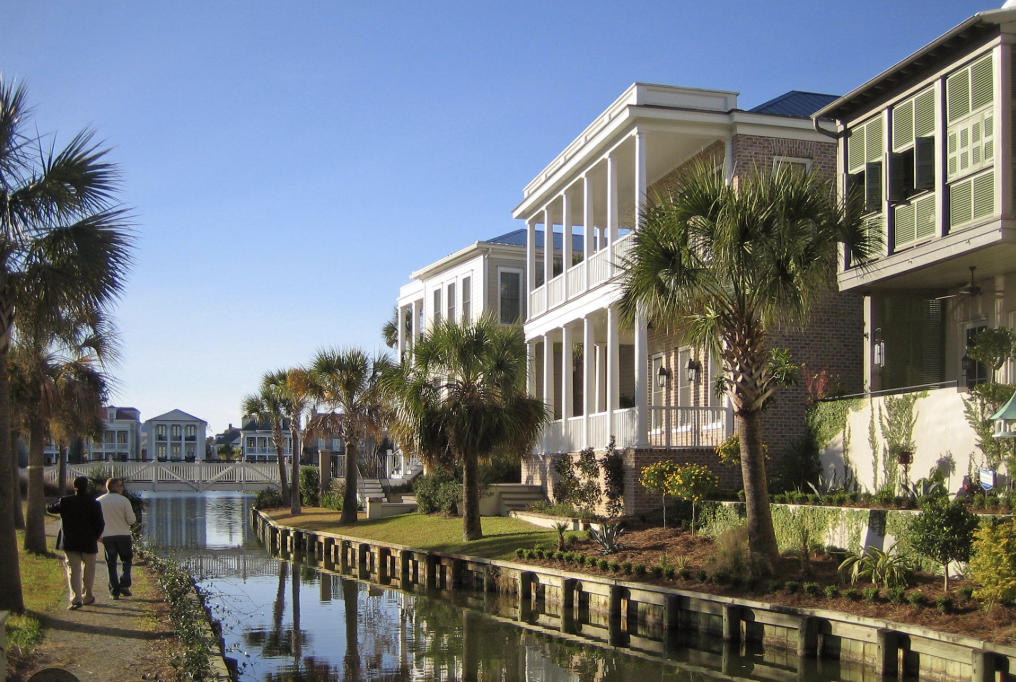
Back then, we had a bold idea. Not just to build homes—but to build a place. A place that rekindled the spirit and sensibility of the Lowcountry’s architectural traditions. That looked and felt like it had always been there. That honored craftsmanship, beauty, and the kind of walkable, timeless village structure rarely seen in modern development.
To make that happen, we created the I’On Design Committee (IDC)—a design review process I personally drafted, not just as a control mechanism, but as a design support system. The IDC was not meant to be a bureaucratic roadblock. It was designed to be a coach, a partner, a guide—encouraging creativity within a shared architectural vocabulary.
We weren’t playing defense. We were playing offense.
Design as a Value Creator
From the start, the IDC existed to uphold a clear mission:
“To rekindle an appreciation for an architectural and building philosophy rarely practiced today by reestablishing the vernacular building tradition of the Lowcountry and facilitate the development of an endearing and enduring place.”
And it worked. With this philosophy and structure in place, I’On quickly gained national recognition. It was featured in books, studied in design schools, and became a model for how thoughtful, intentional design governance could elevate the character and value of an entire community.
At the heart of this success was a proactive, service-oriented design review system. We didn’t just approve or reject plans—we coached homeowners and their architects toward better outcomes. I’ve written extensively about this approach on my article on Design Coaching, Transform Your Approach: STOP Design Review – START “Design Coaching” where I share lessons from my experience helping to guide more than a dozen design review boards across the U.S. and abroad.
When done well, design review is not an obstacle—it’s a value multiplier.
Then the Shift Happened
But then something changed.
Over time, the I’On Design Committee was handed off from the original development team—The I’On Company—to the Property Owners Association (POA). And with that handoff came a shift in tone, approach, and purpose.
The IDC went from being a design partner to a compliance cop. From encouraging thoughtful design to enforcing checkbox-style conformity. From playing offense to prevent defense.
This cultural change gutted the original intent of the IDC. It replaced collaboration with control. Support with suspicion. Innovation with inertia.
The Fallout of a Dysfunctional System
The consequences have been significant:
- Design professionals avoid I’On. The IDC has gained a reputation for being inconsistent, inflexible, and antagonistic. It’s too much of a headache for the talented and experienced architects that helped to shape I’On in the early days.
- Homeowners bypass the process. Increasingly, residents make modifications without approvals, simply to avoid dealing with the bureaucracy.
- Quality has slipped. Innovative and thoughtful designs that once elevated the neighborhood are now watered down or outright discouraged.
- Reputation is declining. Real estate agents and architects quietly warn clients about the headaches of building in I’On.
This isn’t just anecdotal. A 2022 survey showed that 75% of residents rated their IDC experience as “Poor” or “Somewhat Poor.” Complaints included lack of transparency, excessive delays, rude communications, and unclear or inconsistent feedback.
The very process meant to safeguard I’On’s architectural integrity is now one of its greatest liabilities.
My Return and Resignation
After spending three years helping to shape another high-profile, benchmark-setting project—Trojena in Saudi Arabia, where the design guidelines I developed were ultimately presented to and approved by the Crown Prince himself—I returned to I’On hoping to give back.
I ran for the POA Board at the urging of neighbors who shared my concerns about the IDC’s dysfunction. They hoped I could help restore the committee’s original vision and bring a higher level of professionalism and transparency to its operations.
But despite being elected, my efforts were stonewalled.
- I was denied access to IDC meetings, even in a non-voting observational capacity.
- A motion I introduced to allow Board oversight of IDC meetings was voted down with no meaningful explanation.
- My offers to contribute decades of relevant experience—for free—were ignored.
This isn’t just about my personal frustration. It’s about a larger issue of governance, transparency, and accountability. A Board-appointed committee, staffed by paid consultants and resident volunteers, is currently operating without any real oversight, blocking access, and rejecting attempts at reform.
When those tasked with upholding design quality refuse to be held accountable, the system is broken.
Credentials That Matter
For context, I am a globally recognized subject matter expert in the establishment and management of design review processes. I’ve created and/or managed DRBs for over a dozen communities including:
- Celebration, Florida
- I’On, South Carolina
- East Beach, Virginia
- Bundoran Farm, Virginia
- Nexton, South Carolina
- Trojena, Saudi Arabia
I’ve been invited to speak at numerous conferences about on best practices for DRB implementation in master-planned communities.
And yet, in my own backyard, I can’t even get into the room.
A Call for Reflection—and Help
This post is not just a chronicle of frustration. It’s a cautionary tale for community developers, HOAs, and place-makers everywhere.
Design is not just about aesthetics—it’s a primary driver of lasting value.
When governance structures lose sight of this, or worse, when they become adversarial or opaque, the results are damaging and difficult to reverse. The slow erosion of quality doesn’t make headlines—but it shows up in declining engagement, rising turnover, diminished resale value, and lost soul.
So where do we go from here?
Honestly, I don’t know. I’ve done what I could from within. And when the system refuses to even let you observe, it’s hard to contribute meaningfully.
But I’d love to hear from others—developers, residents, design professionals, planners. How can communities protect design as a core value after the developers are gone? How do we avoid turning proactive guardians of quality into passive enforcers of mediocrity?
Let’s start a conversation.
Because I’On deserves better.
And so do the hundreds of communities trying to follow its lead.
Joseph Barnes is a design management and development strategist with over 30 years of experience shaping benchmark-setting communities across the U.S. and abroad. He is the author of “The Barnes Perspective” blog and a frequent speaker on design governance in real estate development.


 The Barnes Perspective: Thoughts, Ideas & Lessons Learned from Joseph Barnes
Leave a comment