
When asked where design goes off track in real estate development, I often point to the very beginning. More specifically, to the lack of a clear, complete, and actionable design brief.
Not a vague narrative or a scattered collection of plans. A real brief. One that connects vision to execution, makes priorities visible, and helps teams make smart decisions early, when it matters most.
In previous articles on this blog, I’ve broken down the essential elements of a Design Brief for real estate development. Each post in that series focused on a different section. This article ties them all together and offers a practical framework you can use to guide your projects.
The importance I place on the need for a comprehensive project Design Brief isn’t just theory. It’s built on what I’ve learned managing design and development for projects like Celebration, East Beach, Trojena, and Qiddiya. It reflects hard-won lessons about how to align bold ambition with real-world constraints.
This information focused on the Design Brief development is for you if you’re involved in shaping places, whether as a developer, owner, or designer.
Let’s walk through what goes into a well-structured design brief, and why each part matters.
1. Project Overview
The design brief should start by clearly stating what this project is about. What are you trying to achieve, and why? What’s driving the effort? The Project Overview is where tone and intent get set. It’s also where you define what success looks like.
As I shared in The Essential Role of the Design Brief, a well-written project overview should capture your team’s vision, values, and the larger context from an economic, cultural, and operational perspective. Think of it as your project’s elevator pitch. When launching Celebration for Disney, the Project Overview had to carry extraordinary weight. The expectations were sky-high. We weren’t just planning a town. We were delivering on the Disney brand. The brief had to reflect that from the very first line. Getting this right sets the tone for everything that follows.
2. Site Context
Good design responds to its site. You can’t design effectively without understanding your canvas. This section of the design brief includes detailed maps, access points, topography, and environmental factors. It’s about embracing what the land gives you rather than fighting against it.
Too often, teams jump into programming or design concepts without fully understanding the land. Maps, access, views, slopes, tree cover, and even zoning overlays. This objective information about the site will shape what’s possible and where the opportunities lie.
In Crafting Effective Design Briefs: Best Practices, I discussed how early analysis of site conditions can save months of rework later. At Bundoran Farm, this kind of site sensitivity was foundational. We closely integrated topographic realities and ecological sensitivities into the brief, ensuring a project that harmonized seamlessly with its surroundings. With its agricultural legacy and panoramic views, the land dictated how we approached every decision.

If you don’t document the physical context up front, the rest of the brief floats untethered.
3. Programmatic Requirements
Once you understand your site and goals, you must get specific about the project. Programmatic Requirements are the nuts and bolts of your project: the spaces, uses, and schedules that make your vision functional. They are not just a general list but actual use types, quantities, and relationships. This part should provide both a summary and a detailed space program.
In Crafting a Comprehensive Building Program: Key Insights, I walked through how to approach this section so that it’s useful for your design team and provided specific methods for outlining precise, structured requirements. The goal isn’t perfection. It is clarity. This clarity prevents confusion later and helps align stakeholder expectations from day one.
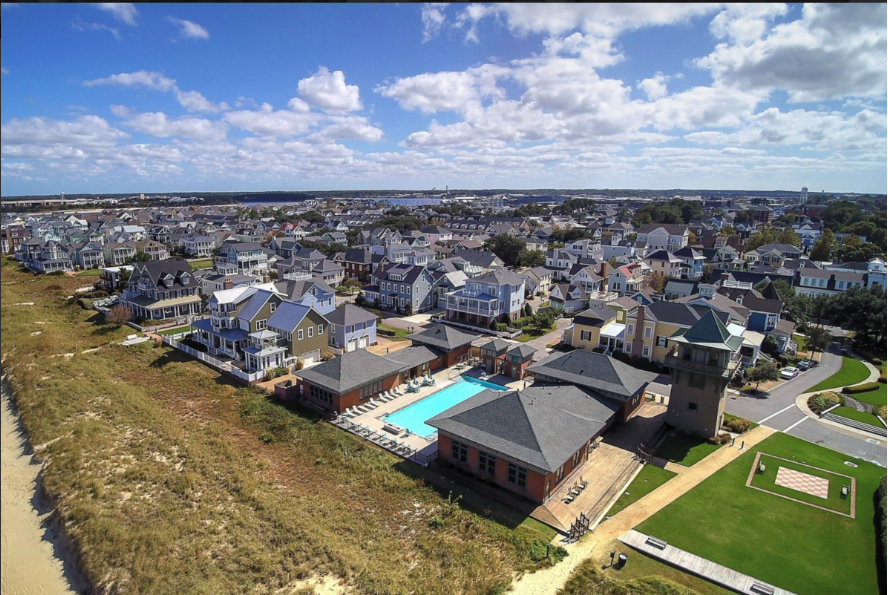
Think about the number of homes, the number of rooms per home, the square footage per shop, the kind of civic space, what goes where, and what needs to be adjacent to what. When we developed East Beach in Norfolk, we didn’t just say “mixed-use.” We defined the number of units, the types, the price points, and the neighborhood-serving retail that would be phased in first to create a sense of place. The specificity mattered.
4. Design and Planning Criteria
The Design and Planning Criteria section of the Design Brief is where form begins to take shape. This section is where your vision materializes: layout, massing, adjacencies, and character. Specificity here pays off.
What are the expectations around layout, block structure, building massing, and adjacencies? What kind of architectural character are you after? What’s fixed, and what’s flexible?
In Crafting a Comprehensive Building Program: Key Insights, I highlighted one of the key lessons from my time at Qiddiya: a powerful design vision can quickly unravel without a clear framework for making design decisions. You can’t just say “make it great” and hope for the best. At Qiddiya, clear planning criteria around thematic zoning, iconic architectural forms, and entertainment-focused layouts provided precise direction for an ambitious vision, ensuring consistency across a vast and diverse project.

Setting design and planning criteria early ensures alignment between the vision and the design direction. It lets your design team explore options within defined yet flexible boundaries.
5. Technical and Sustainability Criteria
Too often, a project’s technical criteria and sustainability goals are left out or buried in later documents.
Don’t wait. Include early assumptions about infrastructure, utilities, and systems. And more importantly, be upfront about your sustainability goals from the start. In Sustainability: Why It Needs To Be Featured in Your Design Brief Early and Often, I explained why this is more than just a checklist item. It’s a mindset.
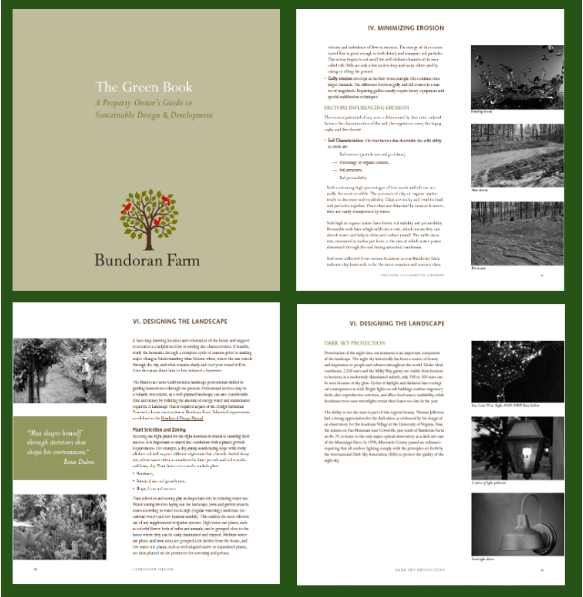
At Bundoran, we created the Green Book, a project-specific sustainability framework that guided everything from road alignments to architectural materials. We didn’t adopt an off-the-shelf rating system; we built our own. Sustainability wasn’t an add-on; it was core to the project’s value.
If you care about long-term resilience, put it in writing up front.
6. Operational and Implementation Framework
The team must deliver the design within established budgetary and schedule constraints. This section of the Design Brief should detail your phasing plan, delivery schedule, and rollout process. It should describe how you are breaking down projects into manageable phases to ensure economic viability, stakeholder alignment, and focused execution.
In The Importance and Value of Strategic Phasing in Community Development, I shared stories from Celebration and East Beach where early phases were carefully crafted to stand on their own, each providing value even before the next phase was delivered.

This is about risk management and resource allocation, but it’s also about placemaking. You don’t want a project that feels half-finished for years, and your phasing plan should reflect that.
7. Stakeholder Engagement Summary
Real estate development happens in a landscape that is both political and emotional. A landscape inhabited by stakeholders who can influence, are impacted, and those who can help or hinder progress.
You must acknowledge this and that your Design Brief identifies the key stakeholder groups: the development team, municipal staff, permitting authorities, investors, community leaders, nearby property owners, and any relevant utility or infrastructure providers.
In Stakeholder Identification and Engagement: How Listening and Re-Listening Helped to Turn a Derelict Waterfront into a Resilient Neighborhood, I wrote about how listening and then listening again helped reframe a stalled waterfront redevelopment. Community members wanted better access, resilience, and long-term stewardship. Regulatory agencies focused on flood risk and infrastructure capacity. Each group brought valuable insights, but timing and transparency were key.
The Design Brief should outline what concerns each group raised and when they need to be engaged or kept informed during the design and development process. Milestones such as early site planning, entitlement requests, design reviews, and pre-construction are all typical touchpoints. Documenting these conversations and checkpoints keeps your team aligned and reinforces that the design is rooted in genuine dialogue, not assumptions.
Documenting stakeholder input, community outreach, and agency consultations keeps everyone honest. It also gives your design team insight into the values and constraints they need to consider. If you’ve met with city officials, conducted focus groups, or heard concerns from neighbors, this is the place to capture them. Don’t assume people remember what’s been said. Write it down.
8. Appendices
Sometimes, supporting material doesn’t fit neatly into the main body of the brief. That’s what appendices are for. Appendices offer supporting data, precedents, and imagery. They provide depth without cluttering your main narrative, ensuring clarity and context for design teams and stakeholders.
Include reference imagery, precedent projects, data tables, traffic studies, market reports, and anything else that provides helpful context or backup. If it helps inform decisions or clarify expectations, include it.
In Conclusion
A well-constructed Design Brief won’t guarantee a great project, but it dramatically improves the odds. It gives your team a shared foundation to build from, bridges the gap between inspiration and execution, and helps avoid wasted time, misaligned decisions, and missed opportunities.
It’s also a powerful leadership tool.
Suppose you’re developing a complex project, especially one with multiple partners or long timelines. In that case, I’d encourage you to treat the design brief not as a formality, but as a central part of your development strategy.
Every successful real estate development I’ve participated in began with a clear, actionable Design Brief. If done correctly, it can save you from many headaches later and help deliver something far more meaningful.
 The Barnes Perspective: Thoughts, Ideas & Lessons Learned from Joseph Barnes
Leave a comment