When I was Town Architect for Disney’s Celebration, one of my regular responsibilities was giving tours to visiting developers, architects, planners, and municipal officials from across the Country and around the world. They came to learn how Celebration was planned and built, hear what worked well and what didn’t, and learn how they might adapt those lessons to their projects.
These tours felt familiar because before Celebration even broke ground, our team had done the same thing, visiting dozens of historic and newly built communities to study what made them successful. We walked their streets, studied their buildings, and looked closely at how design decisions influenced appearance and how people lived and interacted there.
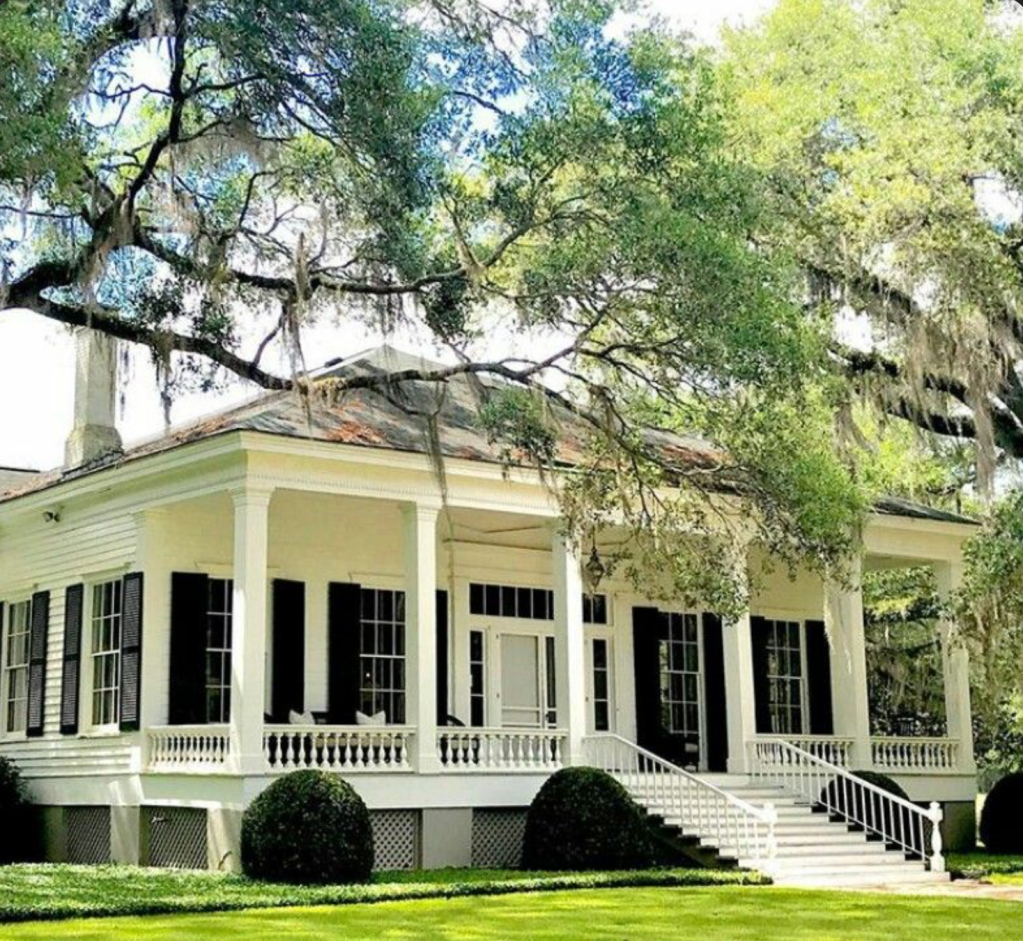
I sometimes joke that we were “stealing.” We preferred the more respectable term “benchmarking,” and we did it relentlessly.
At the end of almost every Celebration tour I led, during the Q&A, someone would ask:
“How could you get national production and local custom builders to design and build such attractive homes?”
I typically answered, “I didn’t know I couldn’t.”
It was partly a joke, but it was also the truth. I came into that role from a strong design background, with degrees from two top architecture schools and experience at firms like Michael Graves Architects and Kohn Pedersen Fox. For me, good design was a given. Good design was the outcome of working with good designers.
What I didn’t fully realize then was how rare it was for residential builders to hire good architects. Across the United States, only about 1–2 percent of new single-family homes are designed by architects from concept through completion. Another 28 percent have some architect involvement, perhaps influencing the design or providing limited oversight. The remaining 70 percent are created by residential designers, draftspeople, or entirely through builder-led processes.
Those numbers go a long way toward explaining the reality of most new housing stock: while interiors might be spacious or well-amenitized with a garden tub and a large walk-in closet, exteriors often lack proportion, detail, and a sense of place. Without skilled architectural input, houses rarely achieve the level of design that makes a neighborhood feel cohesive, distinctive, and timeless.
In Celebration, we knew from the outset that if we relied solely on design review to “catch” problems after the fact, we’d spend endless time and energy pushing for fixes and still risk ending up with only “okay” results. We couldn’t afford that. The stakes were too high.
The Advice That Shaped Everything
In the early planning days at Celebration, before a single house was designed, Robert A.M. Stern, whose firm, along with Cooper Robertson & Partners, were responsible for Celebration’s master plan and design ethos, gave our team a piece of advice that became one of my guiding principles:
“It is easier to design in good design than it is to review in good design.”
It was a simple statement, almost tossed off in conversation, but it stuck with me. Over the years, I’ve learned just how true it is. Once a design is set in motion, it takes far more time and effort to correct it than to guide it properly from the start. In residential development, especially with builders who may not typically employ skilled architects, the odds of getting exceptional results through a purely review-based process are slim.
No matter how rigorous, design review happens after critical decisions about form, proportion, and layout have already been made. By then, budgets are set, construction schedules are locked, and changes can be expensive, contentious, or both. If you want consistently high-quality outcomes, you have to be proactive. You have to build design quality into the DNA of the process, not hope to insert it later.
Stern’s comment reframed the challenge in a way that made the path forward clear: the real work was not about policing mistakes after the fact, but about creating an environment where good design was the default outcome. That meant starting with the right vision, giving builders the necessary tools and understanding, and staying deeply engaged from the first sketch to the final punch list.
This philosophy became the backbone of our approach at Celebration and later at East Beach — built on three interlocking steps: Educate, Inspire, and Collaborate.
Next up in the series: In Celebration: Educate, Inspire, Collaborate, I share how we turned that philosophy into a step-by-step process that builders could follow and the results that made Celebration stand out.

 The Barnes Perspective: Thoughts, Ideas & Lessons Learned from Joseph Barnes
Leave a comment