Designing in Good Design: Why the Process Matters as Much as the Product
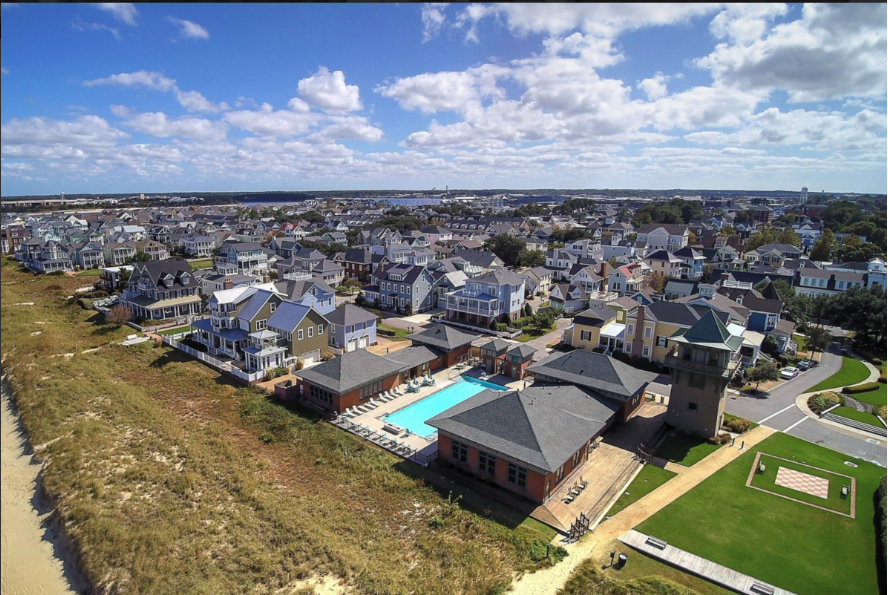
Looking back at Celebration and East Beach, it’s tempting to focus only on the final results, including the houses, the streets, the parks, and the overall sense of place. But the real story is how those results were achieved.
In both cases, the difference between success and struggle wasn’t luck. It wasn’t simply the skill of individual builders or the beauty of the master plan. It was the process—specifically, the decision to integrate good design from the very beginning rather than trying to inject it later through review.
That’s the core truth behind Bob Stern’s advice:
“It is easier to design in good design than it is to review in good design.”
Why Design Review Alone Doesn’t Work
Design review has a place. It can catch inconsistencies, correct missteps, and help maintain standards over time. But by itself, design review is reactive. It’s about fixing what has already been decided.
When a project reaches the design review step, most critical decisions about form, proportion, and layout are locked in. Budgets are committed. Construction schedules are in motion. Changing course can mean redesign fees, lost time, and strained relationships. And in many cases, compromises are made simply because the cost of fixing something outweighs the perceived benefit.
The result? You end up approving “good enough” designs rather than outstanding.
The proactive alternative
Designing in good design means building it into the DNA of a project. It starts before the first sketch:
- Choosing builders who are willing to engage with the vision
- Providing them with the right tools, precedents, and guidelines
- Involving skilled architects who understand both the language of design and the realities of construction
- Creating opportunities for collaboration, iteration, and early feedback
At Celebration, that meant a two-day Charleston workshop, a carefully curated tour of historic and new communities, and a cost-sharing program to pair builders with experienced architects. It meant long working sessions where plans and elevations were pinned up and critiqued openly.
At East Beach, it meant taking builders on I’On, Habersham, and Newpoint tours, letting them see quality in action. It meant the “Design Connection” exercise, where builders and architects worked side-by-side in real time to produce buildable, pattern-compliant designs.
In both places, the goal wasn’t to force compliance but to create alignment so that by the time a design reached review, it already reflected the vision.
What success looks like
When you “Design in Good Design”, you see it in:
- Faster approvals, because designs arrive aligned with expectations
- Fewer costly changes during construction
- Streetscapes with coherence and variety, not repetition or gimmickry
- Higher sales velocity and stronger pricing power, because buyers recognize and value quality
- Long-term durability, not just in materials, but in the neighborhood’s identity and desirability
You also see it in the relationships between the development team, builders, and designers. Instead of being adversarial, they’re collaborative. Everyone is invested in the same outcome.
The hidden cost of not doing it
The contrast between David Weekley Homes and Town & Country at Celebration is a cautionary tale. One embraced early collaboration, worked with top-tier architects, and launched quickly with award-winning house designs that sold at a premium. The other resisted, worked in isolation, and spent months backpedaling after a disastrous first submittal.
Those lost months weren’t just a scheduling inconvenience. They missed market opportunities, incurred higher carrying costs, strained relationships, and formed a reputation hit that ultimately led to their removal from the program.
The same principle applies to any large-scale development: the cost of doing it right from the start is always less than the cost of trying to fix it later.
The broader takeaway for developers, architects, and municipal leaders
If you aim to create a place of lasting value, aesthetically, socially, and economically, you must treat design as a foundational investment, not a discretionary add-on.
That means:
- Invest early: Engage architects and urban designers before the builders start drafting.
- Educate relentlessly: Make sure everyone understands not just what the vision is, but why it matters.
- Inspire with real examples: Show, don’t just tell. Take your team to see places where quality is tangible.
- Collaborate continuously: Create opportunities such as workshops, design sessions, and programs where builders and architects can work together, not in silos.
Review becomes a confirmation step, not a firefight when you do these things.
A call to action
In development, we often discuss value in terms of square footage, absorption rates, and return on investment. But great neighborhoods generate a different kind of value—a value that compounds over time because people love living there. That doesn’t happen by accident.
If you want that enduring value, start with the design process itself. Build in the structures, relationships, and expectations that make quality the default outcome.
Because in the end, you can’t review your way to a great neighborhood.
You have to design it in.
If you missed the earlier parts of this series, start with Designing in Good Design to see where the idea began, then follow along with the Celebration and East Beach stories for real-world examples of this philosophy in action.
 The Barnes Perspective: Thoughts, Ideas & Lessons Learned from Joseph Barnes
Leave a comment