recent posts
- Designing in Good Design: Why the Process Matters as Much as the Product
- East Beach: “Design Connection” – Builder & Architect Collaboration
- Celebration Residential Design Process: Educate, Inspire, Collaborate
- The Importance of Designing in Good Design
- Bridging Vision and Execution: What Goes Into a Great Design Brief
about
Category: Design Management
-

It usually starts with a sketch. A hand-drawn map. A rough massing model. A few bullet points on a whiteboard. Someone says, “This could be something.” But between that first idea and a real, permitted, financed, and viable project lies a long stretch of decisions and dependencies that too often get overlooked. That’s where the…
-

The article discusses the importance of early-stage proforma analysis in real estate development projects. Despite the promising 500-acre site, the initial financial metrics indicated that the project did not meet necessary risk thresholds. The back-of-the-envelope analysis, focusing on costs, revenues, and market assumptions, highlighted that the concept needed adjustments. Key metrics like IRR, equity multiples,…
-

The High-Level Development Program is crucial in aligning stakeholders during the Strategic Definition phase of a project. It helps connect project goals with site realities and market insights, providing a flexible framework for dialogue without premature commitments. Key elements include vision integration, primary programmatic elements, supporting functional zones, and spatial requirements. The program must adapt…
-

This article discusses the importance of thorough site analysis and due diligence in land development projects, illustrating this with examples like Bundoran Farm and Boar’s Head. The author emphasizes that not all land is suitable for development, and initial excitement can lead to misconceptions. Engaging intimately with the land, understanding its features, and involving local…
-
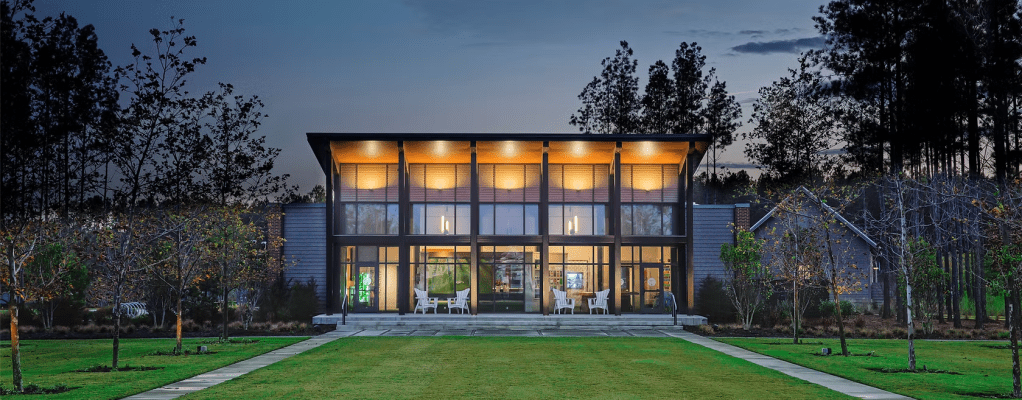
Too many developments are shaped by what worked yesterday—ignoring overlooked buyers and blending into sameness. But real value is created by listening forward: using rigorous market research not just to validate plans, but to uncover unmet needs and design for those the market typically misses. When strategy is rooted in insight, communities don’t just fill…
-

More than 25 years ago, the I’On neighborhood was designed to embody Lowcountry architectural traditions through a supportive design review process. However, after its transition to the Property Owners Association, the approach shifted from collaboration to rigid compliance, leading to declining design quality and resident dissatisfaction. The author calls for reflection on maintaining design integrity…
-

The post emphasizes the importance of integrating a clear review and approval process into project design management. It highlights how vision alone is insufficient for successful project execution without a structured approval strategy that addresses both internal and external stakeholders. Through examples from various developments, it illustrates how confusion in approvals can lead to delays,…
-
The post discusses the importance of tailored design processes in real estate and community development projects. It emphasizes the need for clear roles, strategic planning, and flexible approaches, using frameworks and classifications to match project types with appropriate design strategies. This ensures effective management and maximizes project impact.
-
The author reflects on experiences shaping two communities, Celebration, Florida and Bundoran Farm, Virginia. Both projects emphasized the importance of a clear vision, purpose, and goals from the outset. When teams align with shared understanding, decisions become easier and outcomes more meaningful. Clarity is crucial for effective planning and transformative design.
-
Design review processes frustrate both applicants and reviewers due to miscommunication, leading to delays and resentment. Instead of critiquing designs, a shift towards coaching is suggested, involving clearer goals, stronger team dynamics, and inspiration. By fostering collaboration and building trust, the design phase can become more efficient and productive for all stakeholders.
 The Barnes Perspective: Thoughts, Ideas & Lessons Learned from Joseph Barnes