Joseph Barnes is the principal of Barnes Design & Development Management advisory services firm. As Community Development Integration specialist, they are dedicated to working with design and development professionals on the creation of built environments which generate incremental and sustained value – aesthetic, social and economic. They leverage the knowledge, lessons learned, and relationships developed by Joseph Barnes over thirty-years of experience with benchmark setting, high-profile, high-concept, mixed-used community and land development projects.
Aerial View of East Beach looking South – Courtesy of East Beach Company
We were sitting in Barry and Kat Strathman’s living room, trying to explain a design change that, from our perspective, was a no-brainer.
They weren’t convinced. And honestly? They had every right to feel that way.
They weren’t just early buyers in East Beach, Norfolk’s ambitious urban renewal effort. They were believers. They’d attended the very first design charrette. They’d built a house when others wouldn’t even deliver a pizza to the neighborhood. And now, years later, they were finding out—secondhand—that the master plan had been changed.
Even with a well-structured stakeholder engagement strategy in place, we’d stumbled.
But we recovered. Because the real test of stakeholder engagement isn’t whether you get it perfect. It’s whether you’re willing to go back, re-engage, and do the work when trust wobbles.
Why Stakeholder Engagement Matters—From the Start
Real estate development isn’t just about land. It’s about people. And if you don’t start your project by clearly identifying who those people are—and how to engage them—you’ll spend the rest of the process playing catch-up.
That’s why stakeholder engagement needs to start during Strategic Definition.
Who has influence? Who will be impacted? What are they most concerned about? When do they need to be engaged—and how?
Get those answers early, and you can build a purposeful plan. Miss them, and you’re building on unstable ground.
The East Beach Playbook: What Stakeholder Engagement Looks Like When It’s Done Right
The redevelopment of East Beach wasn’t just a turnaround—it was a collaborative effort from day one. Here’s how it came together.
East Beach Master Plan – Courtesy of East Beach Company
City Officials and NRHA In 1993, the Norfolk City Council designated 90 neglected acres in East Ocean View as a redevelopment zone. The Norfolk Redevelopment and Housing Authority (NRHA) led the charge, with the goal of transforming a costly liability into a thriving neighborhood that could attract middle-income families and revitalize the tax base.
Community Engagement and Planning In 1994, NRHA hosted a public design charrette led by Duany Plater-Zyberk & Co. (DPZ). This wasn’t a token meeting. Residents and stakeholders shaped the direction of the master plan—preserving dunes, softening the impact of Bay winds, and creating a neighborhood that felt both timeless and livable.
Civic Groups and Task Forces Local groups weren’t sidelined. They were deeply involved. Their input guided land use decisions, green space priorities, and community programming—keeping the plan rooted in local values.
Real Estate Developers and the Private Sector The East Beach Company, the private company established for the development of East Beach, worked hand-in-hand with public agencies. Together, they envisioned a mixed-use traditional neighborhood with around 700 homes, including rental units, ADUs, public amenities, retail shops, and an accessible and walkable beach.
The result? A master-planned coastal community shaped by the vision of its stakeholders.
And yet… we still stumbled.
“Don’t Get Too Far in Front of Your Troops”
I first heard that phrase while listening to a radio interview about General Colin Powell. The author being interviewed said that one of Powell’s greatest strengths, even in civilian and political life, was that he never stopped thinking like an infantryman.
General Powell with his troops.
What does that mean?
In the infantry, you learn quickly not to get too far ahead of your own troops. If you do, one of two things happens:
You lose your support and supplies—and eventually burn out.
Or worse, your troops doesn’t recognize you anymore, might think you’re the enemy and try to shoot you.
That lesson hit me hard. Because I’ve seen it happen in real estate development. I’ve lived it.
Even with the best intentions—and even with the best plan—you can get out in front of your people, lose touch, and wind up creating confusion or resentment.
Which brings us back to the Strathmans.
When Good Plans Aren’t Enough: A Story of Misstep and Repair
Years after the original charrette, we introduced a few design refinements to bring more physical and visual access to the Chesapeake Bay. These were subtle but meaningful changes—ones we believed would elevate the neighborhood even further.
But we failed to bring our early champions along with us.
Barry and Kat had taken a leap of faith when no one else would. And we didn’t keep them close. We got too far ahead of our troops.
When they reached out—frustrated and surprised—we didn’t double down or get defensive.
Mike Watkins, DPZ’s lead designer and often referred to as ‘the nicest person in New Urbanism,’ came with me to their home. He explained the changes. He listened. And before we left, he gave them his personal cell number.
That gesture mattered. It repaired the trust—not because of what we changed on paper, but because of how we showed up.
The Core Components of Stakeholder Engagement
So how do you avoid missteps like that—and build alignment from day one?
Here’s what I use with the various development teams I have worked in the past:
1. Identification of Stakeholders Start with a full inventory—internal (ownership, leadership, ops, sales) and external (residents, agencies, investors, designers, advocacy groups). Missing someone can mean missing something important.
2. Mapping Interests and Influence Every stakeholder brings different concerns. Some care about ROI. Others about access to parks. Get clear on what success means to each group, what are there hot buttons—and how much weight their opinion should carry.
3. Phased Engagement Engage the right people at the right time:
Site Analysis: Gather historical and cultural insights
Project Visioning: Align on goals and values
Master Planning: Consult broadly on land use and identity
Design: Invite co-creation and operational feedback
Pre-Construction: Coordinate with builders and regulators
Implementation: Keep the loop open for feedback, evolution, and continuous improvement
4. Integrated Communication Communicate frequently, clearly, and contextually. Use RACI charts to clarify who decides what and who needs to be consulted and informed. Host regular town halls. Share decisions transparently. Listen hard.
RACI Matrix. Example
5. Evolutionary Engagement Engagement doesn’t end at occupancy. It evolves—through governance changes, amenity updates, new products, and sustainability reviews. Keep showing up.
Your Project Needs More Than a Plan—It Needs a Pulse
Stakeholder engagement isn’t a one-and-done checklist. It’s a rhythm. And when you get that rhythm right, everyone moves forward together.
At East Beach, we had the right framework. The city, NRHA, civic groups, developers, and governmental agencies, and were all at the table from the start.
But even great frameworks need flexibility. They need humility. And they need proximity.
Because when you get too far ahead of your people, you risk losing them.
We stumbled. We corrected. And that correction—made with respect and humanity—is what turned early allies into lifelong advocates.
So don’t just map your stakeholders. Know them. Hear them. Walk with them.
And stay close. Because in the end, leading from the front isn’t about charging ahead.
It’s about making sure your people are right there with you.
I’ve had the opportunity to help shape two very different communities—Celebration, Florida and Bundoran Farm in Albemarle County Virginia. Both taught me something fundamental: when a team is aligned around a clear vision, everything else works better. The design is more coherent. The decisions come easier. The outcomes are more meaningful and lasting.
Establishing a project’s vision, purpose, and goals isn’t just good practice—it’s the critical first step in developing a project’s Strategic Definition. Before you ever talk about massing, phasing, or financing, you need to be absolutely clear on what you’re trying to create and why it should exist. Without that strategic definition in place, the rest of the work—no matter how technically sound—risks becoming misaligned or irrelevant.
Here’s what I’ve learned about how to get that clarity early, and why it matters so much.
We all bring our own lens to a project.
Some see a site’s constraints. Others see its potential. Some focus on feasibility. Others on feeling.
That’s the value of a strong, multidisciplinary team—different minds solving the same problem from different angles. But without a shared understanding of the project’s vision, purpose, and goals, those different perspectives can clash. Even highly skilled professionals can unintentionally slow a project down or steer it off course—not because they lack expertise, but because they weren’t clear on what we’re really trying to build.
I’ve seen this play out more than once. And I’ve also seen what happens when a team is truly aligned from day one. When everyone is grounded in a clear, articulated vision, things move faster, decisions make more sense, and the end result is often far more meaningful than any one person could have imagined alone.
That lesson was reinforced during my work on two very different but equally ambitious communities: Celebration, Florida and Bundoran Farm in Virginia.
Celebration, Florida – The American Town Memo
In the early stages of what would become Celebration, I was fortunate to work closely with an extraordinary team assembled by Disney. The concept was sparked by a pair of internal memos—titled The American Town—written by Peter Rummell, then President of Disney Development Company, to Michael Eisner, CEO of The Walt Disney Company. These memos weren’t design briefs or planning documents. They were something rarer: a bold articulation of purpose.
The idea was to build a town, not a theme park. A real, functioning place that could reflect and reinterpret American ideals of community, walkability, education, and innovation. The memos framed Celebration as a “living laboratory” for new town development—a place where ideas could be tested, refined, and hopefully replicated. They called for timeless architecture, strong public spaces, integrated technology, and efficient services. The goal was to make life simpler, more connected, and maybe even a little bit magical—not through fantasy, but through thoughtful planning.
Market Street in Celebration’s Town Center
I was part of the team that helped bring that early vision to life. That meant translating broad goals into real choices—site plans, architectural guidelines, partnerships, public realm design, operations strategies. The clarity of Rummell’s vision allowed the broader team to build with purpose. We didn’t have to guess. We could point to a foundational idea and say: This is who we are. This is what we’re building toward.
That kind of clarity is invaluable, especially when the stakes are high and the project is complex.
Bundoran Farm – Storyline – “a way of life on a land that works”
Years later, I found myself helping shape a very different kind of place—Bundoran Farm, a 2,300-acre property in Albemarle County, Virginia. The goal was to create an environmentally responsible residential community built on a working farm. But unlike Celebration, the vision didn’t start with a single memo—it emerged from a collective process.
Over several days, we brought together an unlikely group: architects, conservationists, neighbors, agricultural experts, even writers and activists. We asked hard questions: Why should this land be developed at all? Who would live here? How could we balance preservation and progress?
What came out of that workshop was the Bundoran Farm Storyline—an internal document that captured the project’s purpose, principles, and aspirations. It wasn’t designed for marketing. It was built to guide decisions.
It stated plainly that the development would be guided by the concept of “Preservation Development.” That meant maintaining the farm as a productive landscape while introducing a carefully planned, small number of homesites. It meant siting homes with minimal disturbance. Encouraging stewardship. Protecting biodiversity. Supporting sustainable agriculture. Fostering a community not through clubhouses or tennis courts, but through shared values.
Bundoran Farm Pastures
As someone deeply involved in shaping the Storyline and carrying it through into planning, design, and operations, I can say that document became the compass. It helped new team members get up to speed fast. It resolved internal debates. And it reminded everyone—from contractors to sales staff—why this project was different, and why that difference mattered.
In both cases, though the paths were different, the lesson was the same: Vision, purpose, and goals must be established early and clearly, and they must live beyond the founding moment.
They’re not just for the pitch deck or the press release. They’re the basis for a coherent strategic definition—one that informs everything from land planning and architecture to community programming, governance, and long-term operations.
So if you’re a landowner, a developer, an investor, or anyone leading the charge on a complex real estate project, I’ll offer you this: before you finalize your land plan or kick off schematic design, take a step back. Ask yourself—have you clearly defined why this place exists, who it’s for, and what it’s aiming to become?
And if you’re bringing someone new onto your team, don’t just show them the maps and timelines. Share the story. Make sure they understand the deeper “why” behind the project, so they can contribute their expertise in ways that reinforce, rather than dilute, the vision.
Because when the entire team is anchored in purpose, that’s when design becomes transformative. That’s when good decisions compound. And that’s when places—like Celebration and Bundoran—move from being projects to becoming real communities.
What do you think? Have you worked on a project where the vision was crystal clear—or one where it was missing entirely? I’d love to hear your perspective in the comments or by email.
Let’s Start at the Very Beginning: Why Strategic Definition Isn’t Just a Good Place to Start—It’s Essential
“Let’s start at the very beginning. A very good place to start…”
That’s what Maria told the von Trapp children in The Sound of Musicas she began teaching them to sing. And she was right.
Maria teaching the von Trapp Children how to sing in The Sound of Music
Whether you’re guiding kids through “Do-Re-Mi” or kicking off a billion-dollar mixed-use development, the beginning matters.
But in real estate, the beginning isn’t a ceremonial groundbreaking or even the first sketch on a napkin. It’s not the RFP or the initial master plan. It’s the Strategic Definition.
And it’s not just a good place to start—it’s the only place to start. Without it, your project might still launch—but chances are, you’ll be solving the wrong problems, for the wrong people, at the wrong scale, in the wrong place.
What Is Strategic Definition, Really?
Strategic Definition is where lofty ideas and early-stage optimism get converted into something concrete: a structured, directional framework you can actually build on.
It’s the bridge between a creative vision and a viable business plan.
You’re not just inspiring the design team—you’re framing the business case. You’re defining the “why,” the “who,” and the “what,” so the “how” can follow.
It’s not a deliverable—it’s a discipline. It’s not a task—it’s a process. It’s where Design Management starts doing the real work: translating ambition into action.
What’s Included in a Strategic Definition?
Let’s break it down. These ten components form the foundation of any Strategic Definition. Not every project requires deep detail in each area, but skip one entirely, and you’re building on sand.
1. Vision, Purpose, and Goals
This is your project’s narrative core.
Why are you doing this? Who is it for? What are you hoping to achieve—and by when?
Not a tagline or branding fluff. A working document that drives decisions. For instance, are you creating a regional wellness retreat to sell homes or to build a global destination brand? That choice changes everything.
2. Stakeholder Identification and Analysis
Who has a voice? Who has a vote? Who signs the checks?
Stakeholder mapping is more than listing names—it’s understanding what success looks like for each party and where their priorities might clash. Strategic Definition is the time to surface and negotiate those tensions.
3. Design Strategies and Roles
What kind of design thinking does this require?
Is it an architectural challenge? A landscape-first concept? Will you need transit planning on Day One?
Understanding this early helps you select the right team and avoid costly pivots later.
4. Approval Pathways
What needs approval? By whom? And when?
Map both internal and external pathways—ownership, regulators, boards. A RACI matrix helps clarify responsibilities and avoid surprises that kill momentum.
5. Market Analysis
Not a 300-page consultant report. But enough to challenge assumptions.
What’s the competition? What’s the unmet need? Who are your people?
I’ve seen projects pivot completely based on early data—like abandoning a luxury vision after seeing slow absorption and pricing ceilings nearby.
6. Site Constraints and Opportunities
Know the land before you plan on it.
Topography, views, access, zoning, utilities—these shape what’s possible. And sometimes, the constraints are where the magic is.
Tech tools help, but so does walking the site, talking to locals, and seeing it in all conditions.
7. Development Program
At this point, you’re sketching a high-level program.
How much residential? Hotel keys? Amenity spaces? Commercial square footage?
It’s not final—but it creates a shared model to explore tradeoffs and test ideas.
8. Early Financial Modeling
Every assumption has a financial implication.
Start with a basic pro forma: revenue projections, cost bands, financing structures, KPIs. You’re not proving a business case—you’re stress-testing it.
9. Project Initiation Workshop
Bring people together. Share information. Build alignment.
One session I led revealed that core team members had wildly different visions for the project. Better to fix that now than redesign three times later.
10. Strategic Framework Documentation
Pull it all together.
A Strategic Definition document doesn’t need to be pretty—but it must be clear. Define the opportunity. Outline the rationale. Map the path forward.
This becomes your north star—the lens for every decision that follows.
How Do You Develop It?
There’s no single formula. But some principles always apply:
Start with conversations—inside and outside the organization.
Use structured workshops.
Ask hard questions.
Don’t assume alignment.
Don’t rush to pretty slides.
And whatever you do—don’t skip this step.
Speed only matters if you’re headed in the right direction.
One Last Thought
If your project doesn’t have a Strategic Definition, it doesn’t matter how talented your team is or how gorgeous your renderings are.
You’re still building on assumptions.
And in this business, assumptions are expensive.
Do the work. Build clarity. Find alignment. Because the beginning isn’t just a good place to start— It’s the only place to start.
Coming Soon: In future articles, we’ll break down each component of Strategic Definition in more detail—with real examples from landmark projects.
If you have spent any time at all in the community design and development world, you have most likely seen or experienced this.
A new neighborhood, village, or building is envisioned and brought to life by a team of skilled, passionate, and experienced design professionals. This team may include urban designers, architects, landscape architects, and civil engineers. Multi-day public information sessions and design charrettes often take place, gathering valuable input from local citizens, key stakeholder groups, special interest organizations, municipal leaders, and staff. The excitement is palpable, and the anticipation builds as beautifully rendered site plans emerge. Perspective images—whether soft, evocative watercolors or highly detailed photo-realistic CGIs—convey the intended look, feel, and character of the proposed intervention into the built environment. Optimism runs high, and the design professionals are celebrated as heroes.
Fast Forward a Few Years…
Construction is well underway. You drive through or walk the project site, and disappointment sets in. The quality and character of what has been built feel like a far cry from the original renderings. Sometimes, the disconnect is obvious—alterations to building forms, scale, and character, or changes in their relationship with adjacent streets, parks, or buildings. Other times, it’s subtle—details only noticeable to experienced professionals, like the width of a street, building setbacks, the relationship between a column and its entablature, or a cornice return that’s just slightly off. Regardless of the scale of these deviations, the result is the same—a project that falls short of its initial promise.
Or Worse, It Never Gets Built…
Perhaps even more frustrating are the projects that never make it off the drawing board. I’ve spoken with well-meaning landowners, family offices, institutions, and less experienced private developers who invested significant resources to engage top-tier design professionals, only to end up with designs that were beautiful but wholly unfeasible—economically, operationally, or both. These designs, though innovative and visually compelling, lacked grounding in reality. They didn’t account for existing physical conditions, market sensitivities, building codes, zoning regulations, realistic budgets, or the complexity of implementation processes. As a result, these visionary plans never made it beyond a folder in a drawer, gathering dust.
An idea without a solid plan for execution is a dream. And an execution plan without a compelling vision is a waste of time.
The Common Denominator: Poor Design Management
In both scenarios—projects that are poorly implemented and those that never move beyond the concept phase—the root cause is often the same: a lack of effective Design Management.
What is Design Management? And How Is It Different from Design or Development Management?
When you’re building something remarkable—whether it’s a vibrant mixed-use community, a resort that blends seamlessly with its surroundings, or a transformative urban project—you need more than a great architect and a solid business plan. You need someone who can bridge the gap between those two worlds.
This is where a strong Design Management professional or team comes in. They serve as the translator between the business vision and the design vision, ensuring that what gets built is not only aligned with the project’s financial and operational goals but also embodies the timeless principles of firmitas, utilitas, and venustas—firmness, commodity, and delight.
Firmness ensures structural integrity and durability.
Commodity focuses on functionality and user experience.
Delight captures the aesthetic and emotional resonance that makes a place memorable.
Balancing these principles isn’t easy. It requires someone who can think analytically and creatively—someone who understands the developer’s financial objectives and can also envision how the project will feel, function, and evolve over time. A good Design Manager ensures that the final built product looks as good—if not better—than the initial renderings and leaves a lasting positive impact, not just aesthetically but also culturally, socially, and financially.
Key Responsibilities of a Design Management Team
1. Establishing and Refining the Projects Strategic Definition
Long before any lines are drawn, the Design Manager helps shape the project’s core vision. This involves deep dives into market positioning, understanding community context, and setting realistic but aspirational goals. The vision isn’t just about what the project looks like—it’s about how it lives, breathes, and contributes to the larger environment over time.
2. Engaging Stakeholders and Building Alignment
Successful projects thrive when stakeholders are aligned. A Design Manager facilitates early conversations with developers, investors, community leaders, and future operators, ensuring that everyone’s voice is heard and expectations are managed. This isn’t just about gathering input—it’s about distilling that input into a cohesive direction that keeps the project moving forward.
3. Developing a Comprehensive Design Brief
A well-crafted design brief is a North Star for the entire team. It captures the project’s vision, goals, target audience, and operational needs. The Design Manager ensures the brief is not just a document, but a living guide that evolves as new insights and constraints emerge.
4. Conducting Project Due Diligence
Great design decisions are rooted in reality. The Design Manager ensures that environmental conditions, regulatory constraints, infrastructure requirements, and financial parameters are understood before design concepts go too far. This prevents costly rework and ensures that the design aligns with the project’s constraints from day one.
5. Identifying, Recruiting, and Managing Design Professionals
Choosing the right design partners is crucial. The Design Manager doesn’t just hire big-name architects—they look for professionals whose expertise and approach align with the project’s goals. They guide the team’s efforts, ensuring consistency between the initial vision and the evolving design.
6. True Value Engineering
True Value Engineering isn’t just about cutting costs—it’s about engineering value into the project. A good Design Manager challenges the team to explore creative solutions that enhance functionality and quality while remaining financially viable.
7. Creating Processes, Tools, and Communication Strategies
Design is inherently iterative, and without strong processes, projects can easily drift off course. Design Managers develop systems to track decisions, document feedback, and ensure that communication flows smoothly between all parties. They provide clarity and consistency, helping to avoid misunderstandings and missed opportunities.
8. Serving as a Design Coach and Guide
A Design Manager doesn’t just manage—they coach. They inspire the team to aim higher, guide them through challenges, and keep them focused on the bigger picture. When inevitable conflicts arise—between aesthetics and budget, or vision and timeline—they help the team navigate those tensions with clarity and purpose.
How Design Management Differs from Other Roles
It’s easy to confuse the role of a Design Manager with that of a design professional or a development project manager. But they serve distinct and complementary functions:
Design Professionals (architects, landscape architects, interior designers) focus on developing the creative and technical aspects of the project’s design. Their expertise lies within their specific discipline.
Development Project Managers oversee schedules, budgets, approvals, and delivery timelines. They keep the overall development process on track and ensure that milestones are met.
A Design Manager, however, operates at the intersection of design and business. They balance competing priorities and ensure that the design intent is never sacrificed in the name of expediency. They advocate for the project’s long-term success—pushing the team to create something that performs well financially and resonates deeply with those who experience it.
What’s Next: Walking Through the Design Management Process
Now that we’ve explored the critical role of Design Management, we’ll take a deeper dive into how this function weaves through the entire development process—from initial project visioning through to turnover to the owner or operator. Along the way, we’ll highlight the key moments where Design Management adds value, the challenges that can derail even the best-laid plans, and the strategies that ensure a project lives up to its full potential.
Max made mischief of one kind and another… and when he was sent to bed without eating anything, something changed.
Max wasn’t trying to escape. Not really.
But when the walls of his room quietly grew into a forest, and a private boat appeared—ready to sail off through night and day and in and out of weeks, to the place where the wild things are—he didn’t hesitate.
He went. He ruled. He played. He howled with the wildest of them.
Max as King of the Wild Things leading the grand parade
But even as king, adored and worshipped, Max realized something was off. Something was missing. Something warm, familiar, and deeply human.
So he gave up the crown, stepped off the throne, and sailed home—back to the place where someone loved him best of all.
And the soup was still hot.
—
Maurice Sendak’s Where the Wild Things Are is short. Just 338 words. But it’s layered with insight—especially through an adult lens.
If you work in community design and development, chances are you’ve lived some version of Max’s story.
You dream. You venture into unfamiliar territory. You wrestle with monsters—some literal, some organizational. You crown yourself king. And then—if you’re paying attention—you realize the real magic isn’t in the spectacle. It’s in the return. The connection. The grounding.
Here are three takeaways that still matter—maybe more than ever.
Imagination Is Not Optional
Max’s journey doesn’t begin with a strategy or a master plan.
It starts with wildness.
He’s emotional. Unfiltered. Creative in the way only a child—or a visionary—can be.
That’s the same place a compelling development vision must begin. With something felt.
At Bundoran Farm, a 2,300-acre preservation-based community in Albemarle County, Virginia, we didn’t begin by writing design guidelines or calculating density.
We started with a story.
The Bundoran Farm Storyline wasn’t a business plan. It wasn’t even a brochure.
Bundoran Farm Storyline Cover and Excerpts
It was an unabridged narrative—a document that wove together history, landscape, values, and a long view of what life could feel like on a working farm where people also lived.
It laid out the “Bundoran Creed,” a clear articulation of principles like respecting the land, fostering interdependence, and pursuing sustainability in a real, practical sense.
It didn’t tell people what to build. It helped them understand why they were building at all.
This kind of document didn’t just align teams. It inspired them.
It influenced everything—brand identity, design language, marketing tone, operational decisions. It gave people a way to talk about the project with clarity and conviction.
If you’re leading a project, don’t be afraid to start with the imaginative layer. A storyline, a set of beliefs, a future narrative—whatever shape it takes, make sure it captures emotion as much as ambition.
Because spreadsheets won’t move people. Stories will.
Authority Doesn’t Replace Connection
Max becomes king. Instantly.
The Wild Things beg him to stay.
But it’s not enough.
He misses the quiet love and presence of someone who cares for him—not because he rules, but because he’s real.
Leadership in our world can look a lot like Max’s throne. Big title. Big expectations. Big stage.
But if it’s all authority and no connection, it crumbles.
I’ve been fortunate to work with several bosses and line managers—some incredible, true leaders who inspired growth and loyalty, and others… well, let’s just say “Boss” spelled backwards is “Double SOB.” I learned from both. What to do. And what not to do.
The good ones lived the principles outlined in Simon Sinek’s Leaders Eat Last. At its core, the book emphasizes that great leaders prioritize the well-being of their teams. They create environments where people feel safe, valued, and part of something bigger. Sinek argues that when leaders put others first, trust deepens, collaboration thrives, and performance follows. It’s not about command and control—it’s about care and connection.
One of the best examples I’ve seen of this kind of leadership was during my time working at Trojena, one of the primary regions of NEOM. As Director of Development Management – Asset Design, I had the opportunity to report to Philip Gullett. I was employee number seven on the project—long before it ballooned into a 200+ person team. From my first day on the job, Philip modeled what leadership rooted in connection truly looked like.
Trojena Presentation and Panel Discussion at Cityscape 2023 in Riyadh, Saudi Arabia with Clark Williams, Philip Gullett, Lukas Kronawitter, Honor Fishburne, Shatha Alsaid, and myself – Joseph Barnes
Philip prioritized the health and safety of the team above all else. Office culture and job site safety weren’t just policies—they were values. He wasn’t afraid to take away company car privileges if someone violated safe driving protocols, even for something like speeding or passing on a blind corner. People may have grumbled, but they knew it came from a place of genuine care. He had their safety—and their lives—top of mind.
What stood out even more was how Philip handled pressure from above. When there was bad news or a major pivot from leadership or the board, he never passed the blame or pointed fingers. He absorbed it. Processed it. And protected his team from unnecessary fallout. He never threw anyone under the bus. Instead, he took responsibility even when the issue clearly wasn’t his doing. That kind of leadership builds unshakable loyalty.
As the team grew, it became harder for Philip to maintain the same close relationships with everyone. But the tone he set—his example—rippled outward. Other senior leaders took cues from him. When you take care of your people, they notice. They step up. They work harder. They become more invested in the collective mission.
You can’t fake that.
So as a leader—slow down. Ask better questions. Build trust. Get personal.
Because your best ideas won’t come from your title. They’ll come from your connections.
You Can Always Come Back
Max could’ve stayed.
He was king. Worshipped. Wild.
But he chose to leave.
Not because the island wasn’t fun. Not because the crown didn’t fit.
But because something inside told him—this isn’t it.
And he had the courage to listen.
We had a moment like that at I’On.
At the time, I was serving as General Manager, overseeing everything—design, construction, marketing, community relations, investor communication, all of it. We’d built strong local momentum in the Charleston market, but we hadn’t hit the national stage yet.
Then came the call.
A major national publication wanted to do a Showhouse in I’On. It wasn’t just the magazine either—Bob Vila himself was going to follow the construction over 13 episodes of Bob Vila’s Home Again.
Big-time visibility. Huge brand opportunity. The architect selected? Duany Plater-Zyberk (DPZ), the internationally known firm recognized for their community design work.
We were all in.
We waited, full of anticipation, for the first round of concepts from DPZ.
And then… disappointment.
The designs missed the mark. Badly.
They didn’t reflect the spirit of the Lowcountry. The proportions were off. The sensitivity to local context just wasn’t there. It felt disconnected.
Maybe the firm handed the work off to a junior team. Maybe they misunderstood the market. Maybe they were trying too hard to push boundaries.
Whatever the reason—it wasn’t right.
After some serious internal deliberation, we made the hard call: if the design wasn’t significantly revised, we’d pass on the entire opportunity. That meant walking away from the national spotlight. From Bob Vila. From magazine covers.
And I was the one tapped to deliver that message.
The conversation with DPZ was tough. They were frustrated. But I laid out our concerns honestly. Our responsibility was to the long-term value of the neighborhood—not a temporary flash of attention.
To their credit, the team didn’t shut down.
They regrouped. Reimagined. And what came next was better than any of us expected.
Lifespan House in I’On – Designed by Duany Plater Zyberk and built by Kalman Construction
They came back with the concept for what became known as the “Lifespan House”—a home that could evolve over time to accommodate growing families and multigenerational living.
It was beautiful. It was thoughtful. And it was completely aligned with I’On’s values.
The courage to pause and reassess gave space for something better to emerge. A more meaningful story. A design that created lasting, incremental value. A solution everyone could get behind.
Sometimes leadership means pushing forward. But just as often, it means knowing when to stop.
Not everything bold is better.
And not every opportunity is worth it if it costs the integrity of what you’re building.
So if you’re deep in a project and it doesn’t feel quite right—listen to that.
You can always come back. Start again. Get it right.
Because the second version?
That’s often the one that sticks.
And in this case—it did.
Conclusion
Where the Wild Things Are isn’t just a children’s story—it’s a parable for anyone creating something meaningful.
It reminds us that imagination is the spark. That leadership rooted in connection—not just control—is what truly moves people. And that turning back, when done with care and intention, can be the boldest move of all.
Whether you’re building communities, leading teams, or shaping stories, let Max’s journey be a reminder: the wild can teach us—but the warmth of home gives it meaning.
I was sitting in my office at Celebration, Florida’s Town Hall, designed by Philip Johnson, reviewing design submittals when I heard Brad, the Community Manager, exclaim from across the hall, “Hey, Joe. I just got one of the strangest phone calls I’ve ever had. By any chance, do the Andersons live in a Victorian house?”
A quick check of my records confirmed that, yes, not only did they live in a Victorian home—it was one of the most elaborate, gingerbready Victorians in all of Celebration. Upon hearing this, Brad let out a knowing laugh. “I knew it. Those Victorian people can be a real handful.”
Now, I’m not here to make broad generalizations (and yes, names have been changed to protect both the innocent and the guilty). But I will say this: over the years, I’ve noticed a striking pattern. A person’s personality and character often align with their preferred architectural style. Not always—there are exceptions—but more often than not, the home we choose says something about us. Architecture is a language, and it tells a story about who we are, what we value, and how we see the world.
Architecture as Language: A Reflection of Identity, Aspiration, and Legacy
Architecture is more than just the design and construction of buildings; it is a language—a powerful means of communication that conveys messages about identity, values, aspirations, and even the trajectory of a society. Whether it is the choice of materials, the spatial organization, or the stylistic references, every architectural expression tells a story about how a person, an entity, or an entire civilization perceives itself and how it wishes to be perceived by others. Architecture speaks across time, serving as both a reflection of the past and a prophecy for the future.
The United States: Classical Architecture as a Political Statement
When the United States was founded, its leaders consciously looked to the architectural language of ancient Greece and Rome to articulate the ideals upon which the nation was built. The Founding Fathers sought to establish a government rooted in democracy, order, and civic virtue, and they found architectural inspiration in the classical traditions of antiquity.
Watercolor Drawing of the United States Capitol Building by William Thorton, Architect
By adopting classical architecture, the United States signaled its legitimacy to the world, communicating that this fledgling nation was built on enduring principles, stability, and a respect for history while also looking toward the future.
Saudi Arabia’s Vision 2030: A New Architectural Language for a New Era
Just as early America used classical architecture to define its national identity, modern Saudi Arabia is forging a new architectural language as part of Vision 2030, Crown Prince Mohammed bin Salman’s ambitious initiative to transform the Kingdom. The challenge for architects and planners involved in giga-projects such as Qiddiya, NEOM, and Trojena is to create an architectural expression that is rooted in Saudi heritage yet embodies the country’s future ambitions.
The task is to balance legacy and prophecy—to honor the past while projecting a bold vision of innovation, progress, and global leadership. As expressed by Pritzker Architecture Prize winning Architect Jean Nouvel when asked about the design character for a resort he was designing a Alula, a cultural oasis in northwest Saudi Arabia,
“I wanted to go back to the very soul of the land, to rediscover its essence and create a dialogue between past and future.”
CGI of The Vault at Trojena in NEOM – Designed by LAVA Architects
As Saudi Arabia continues to push the boundaries of architecture with Vision 2030, it is creating not just buildings, but a statement to the world—a declaration that it is no longer just a steward of oil wealth, but a hub of innovation, culture, and global leadership. This new architectural language, much like that of the early United States, will define the country for generations to come.
Celebration, Florida’s Architectural Languages
At Celebration we had six primary architectural styles or languages for the residential components of the town. These were based on the traditional styles found in Central Florida and throughout the Southeastern United states. The six architectural styles included Classical, Colonial Revival, Coastal, Mediterranean, French and Victorian.
Celebration Pattern Book excerpt highlighting Celebration’s six residential architectural styles.
Classical – Style and Personalities
Celebration’s Classical Style stands as a testament to balance, proportion, and timeless elegance. Rooted in 19th-century Greek Revival architecture, these homes are defined by their symmetrical façades, columned porches, and precisely spaced, vertically proportioned windows. Every element is carefully considered, creating an aura of refinement and order—a physical manifestation of the principles found in classical design pattern books.
The residents who gravitate toward Celebration’s Classical homes tend to embody these same qualities. They are structured, disciplined, and methodical—individuals who appreciate rules, traditions, and the enduring power of well-established systems. Much like the carefully arranged elements of their home’s exterior, they take comfort in a world that is well-organized and logically composed. To them, spontaneity is best when planned in advance.
While their nature may come across as reserved or even a touch standoffish at first, it’s not from a lack of warmth—it’s simply a preference for thoughtful interactions over casual chatter. These homeowners are the ones who ensure the HOA meetings run efficiently, who remember the proper etiquette for every occasion, and who, in their own way, serve as quiet anchors of the community. They are the keepers of tradition, the organizers of black-tie neighborhood galas, and the ones who, if they invite you to a dinner party, will have the table impeccably set with fine china, crystal glasses, and a seating arrangement that encourages exactly the right kind of conversation.
Their homes are as meticulously maintained as their calendars—no clutter, no chaos, just a carefully curated sense of timeless beauty. They appreciate a well-manicured lawn, a properly proportioned cornice, and the soothing predictability of classic architectural symmetry. If there’s a library in their home, you can be sure the books are not only alphabetized but possibly cataloged.
But while they may have a reputation for being buttoned-up, those who take the time to get to know them will discover an understated charm. Beneath the composed exterior lies a subtle wit, an appreciation for dry humor, and a deep respect for intellectual conversation. And while they may not be the first to host a raucous neighborhood gathering, when they do entertain, it is done with absolute grace—candles lit, music at the perfect volume, and a menu that subtly nods to classical influences.
Just like their stately columned porches, these residents are, quite literally, pillars of the community—steadfast, reliable, and undeniably polished. Their sense of order and structure isn’t about rigidity; it’s about creating a life, and a home, where everything has its rightful place, just as it should be.
Colonial Revival – Style and Personalities
Celebration’s Colonial Revival Style embodies the enduring spirit of early American neighborhoods—welcoming, familiar, and steeped in tradition. Unlike the more rigid formality of Classical homes, Colonial Revival houses maintain a sense of balance and symmetry but with broader proportions and simplified architectural details. They exude an effortless charm—cheerful, optimistic, and unpretentious, much like the people who call them home.
Celebration Pattern Book excerpt – Classical History and Character page
The residents who gravitate toward these homes are the heart and soul of the community. They are the ones who instinctively step up, whether it’s organizing a Fourth of July parade, leading a Scout troop, or coaching the neighborhood’s youth soccer team. There is an innate sense of duty and service in them—not because they seek recognition, but because they genuinely enjoy being part of something bigger than themselves.
Their homes reflect this same welcoming nature. Colonial Revival houses often become the neighborhood gathering places—the ones where kids instinctively stop after school, where bikes pile up in the driveway, and where an extra plate is always set at the dinner table “just in case.” These homes are warm and lived-in, not in a careless way, but in a way that speaks of memories made—dog-eared cookbooks on the counter, hand-me-down quilts on the couch, and a front door that never seems to stay locked.
The owners of these homes value traditions but aren’t necessarily tied to rigid rules. They might have a Thanksgiving table set with heirloom china, but they won’t blink if someone shows up in jeans. They love the nostalgia of old-fashioned holidays, neighborhood potlucks, and school plays, but they also embrace a certain easygoing flexibility—because, at the end of the day, what matters most is the people, not the perfection.
While they may not be as exacting as their Classical neighbors or as artistically inclined as their French or Mediterranean counterparts, their strength lies in their unwavering sense of community. They are the ones who check in on elderly neighbors, who lend a hand before being asked, and who believe that a good front porch conversation can solve just about anything.
These are the homes where lifelong friendships are forged, where the screen door is always swinging, and where there’s always a pitcher of something cold in the fridge. They are not just houses—they are the cornerstone of the neighborhood, the places where stories begin and where, no matter how far one may roam, there’s always a sense of home to come back to.
Coastal – Style and Personalities
Celebration’s Coastal Style is rooted in the architectural traditions of the Southern low country, where homes were designed as a response to both the elements and a way of life centered around hospitality and ease. These houses, with their wide porches, deep overhangs, and breezy, open interiors, are as much about embracing the outdoors as they are about providing a cool, comfortable retreat from the heat. With influences from both French Colonial and Lowcountry vernacular, these homes strike a perfect balance between stately presence and casual charm.
Celebration Pattern Book excerpt – Coastal History and Character page
The people who are drawn to these homes share a similar duality—they exude a certain grace and composure, yet they are as approachable as an old friend. They are the kind of people who always seem to have a cold drink in hand, a rocking chair waiting, and a story to tell. Their porches aren’t just architectural features; they’re extensions of their personalities—open, inviting, and always filled with laughter, whether from neighbors stopping by, family gathering for a lazy afternoon, or an impromptu cocktail hour that turns into a full-fledged party.
These homeowners are natural hosts, though they never make a fuss about it. Unlike the carefully curated dinner parties of the French buyer or the perfectly planned gatherings of the Classical homeowner, the Coastal homeowner’s get-togethers are wonderfully unplanned. Guests are as likely to be offered a glass of bourbon in a well-worn tumbler as they are to be handed a local craft beer straight from the cooler. They don’t believe in pretense—just in good company, good conversation, and the kind of relaxed enjoyment that makes people want to stay a little longer.
Their homes reflect this easygoing, welcoming nature. Furniture is chosen for comfort, not just for style, and everything has a touch of weathered charm—as if it has seen a few too many sun-soaked afternoons but is all the better for it. The interiors are filled with natural light, doors are often left open to let the breeze roll through, and there’s an unspoken rule that shoes are entirely optional.
To live in a Celebration Coastal home is to understand the art of slowing down. It’s about knowing that some of the best moments in life happen on a front porch, where time stretches out with the setting sun and conversations are never rushed. It’s about embracing a way of life that is equal parts dignified and laid-back, where formality is left at the door but warmth and graciousness are in endless supply.
And for those who don’t yet know the Coastal homeowner, well—it won’t stay that way for long. Because in their world, a simple hello from the sidewalk often turns into a rocking chair invitation, a glass raised in welcome, and another friendship formed beneath the gentle hum of a porch ceiling fan.
Mediterranean – Style and Personalities
Celebration’s Mediterranean Style embodies a love for the sun-drenched landscapes and eclectic architecture of Europe’s coastal regions. Unlike the more rigid and balanced styles of Colonial Revival, these homes embrace an easy, flowing asymmetry—stucco walls, arched doorways, and wrought-iron details giving them a sense of timeless romance. They are at once grand yet welcoming, refined yet effortlessly relaxed.
Celebration Pattern Book excerpt – Mediterranean History and Character page
The people who gravitate toward Celebration’s Mediterranean-style homes tend to be just as dynamic. They’re world travelers—people who collect experiences like others collect antiques, always bringing a bit of that last adventure into their homes. Their houses are filled with color, texture, and an unexpected whimsy—perhaps a hand-painted tile backsplash they discovered in a small Spanish village, or an ornate chandelier repurposed from a historic Italian villa.
Their personalities? Spicy. They are the ones who throw the best dinner parties, where the wine flows as freely as the laughter. They have an innate ability to make any gathering feel like a scene from a lively European café—effortlessly charming, warm, and just a little unpredictable. Their friends never quite know if they’ll be greeted with homemade paella or an impromptu flamenco performance in the courtyard.
These residents aren’t necessarily the PTA presidents or the scout leaders, but they are the ones who convince everyone to book last-minute tickets to a wine festival or turn an ordinary Tuesday night into a celebration. Their homes, much like their personalities, are a vibrant mix of old-world elegance and modern flair—a little bit dramatic, always inviting, and forever full of life.
French – Style and Personalities
Celebration’s French Style is rooted in a deep appreciation for Old World elegance, inspired by the charming and enduring homes of the French countryside. With their stucco walls, deeply recessed windows, and steeply pitched roofs, these houses exude a quiet sophistication—unassuming yet undeniably graceful. Their balanced but asymmetrical compositions create a sense of refinement that is at once structured and organic, as if they have stood the test of time, effortlessly blending beauty and function.
Celebration Pattern Book excerpt – French History and Character page
The residents who are drawn to these homes embody an interesting fusion of characteristics. They share the Mediterranean buyer’s appreciation for history, artistry, and a touch of drama—perhaps an antique chandelier in the foyer or a dining table that has hosted more than one multi-course, wine-filled evening. But they also carry the relaxed, welcoming nature of the Coastal buyer. They are the kind of people who will greet you with a firm handshake or a warm hug, then insist you stay a while, often with a glass of Bordeaux or a perfectly crafted cocktail in hand.
Conversations with them tend to be lively yet thoughtful — ranging from the merits of a well-aged cheese to the latest neighborhood happenings. Their homes reflect this mix, effortlessly blending refined taste with lived-in comfort. The grand fireplace might be adorned with vintage French pottery, but there’s just as likely to be a well-loved armchair where friends and family gather for long, unhurried conversations.
These residents aren’t necessarily throwing spontaneous parties like their Mediterranean counterparts, nor are they quite as front-porch social as their Coastal neighbors. Instead, they create an air of quiet sophistication—hosting intimate gatherings where the food is as carefully curated as the guest list. They value deep relationships and meaningful moments, preferring the glow of candlelight on a farmhouse table to the bustle of a crowded affair.
To know a Celebration French homeowner is to be part of something effortlessly elegant yet warmly familiar. Their doors are always open, their kitchens always stocked, and their conversations—much like their homes—are a perfect blend of charm, wit, and timeless hospitality.
Victorian – Style and Personalities
Celebration’s Victorian Style is a love letter to the elaborate, eccentric, and wildly imaginative homes of the late 19th century. Inspired by the era’s pattern books, these houses embrace asymmetry and whimsy—steeply pitched roofs, ornate trim, and playful detailing that seem plucked from a fairy tale. Their porches wrap around corners as if inviting both breezes and impromptu conversations, while decorative brackets, spindle work, and fish-scale shingles add to their undeniable charm. These homes do not whisper; they sing—bright, cheerful, and unapologetically expressive.
Celebration Pattern Book excerpt – Victorian History and Character page
The people drawn to Victorian homes are, without a doubt, an interesting bunch. One might say a bit peculiar. Not content with mere function, they revel in flair, obsessing over details others might never even notice. The more elaborate and fanciful the design, the higher the likelihood that the homeowner is delightfully—and sometimes maddeningly—particular. To them, a home is not simply a place to live; it is a canvas for personal expression, a testament to creativity, and, at times, a stage set for a life lived in technicolor.
These homeowners are not ones for simplicity. Where others might be satisfied with a muted, neutral color scheme, the Victorian homeowner dreams in jewel tones and pastels, sometimes both at once. There was one Victorian homeowner who proposed a blue shingle roof for his home. When asked what the precedent was for this design choices, he referenced Cinderella Castle, the center piece of the Magic Kingdom has a blue roof. Don’t worry the blue shingled roof was not approved.
Design decisions are not merely choices; they are grand declarations. This tendency for the unexpected made them notoriously difficult clients during the building process—so much so that some of Celebration’s builders outright refused to work on their homes. One could argue that they got so lost in the minute details—the perfect spindle design, the exact shade of a gingerbread trim—that they occasionally forgot about the bigger picture. But to them, the details were the picture.
Once settled in the neighborhood, they remained, shall we say, distinct. Not necessarily the easiest of neighbors, but certainly the most memorable. They were the ones known for hosting Halloween displays so elaborate they rivaled theme park productions, or Christmas light shows synchronized to orchestral music. Their porches, brimming with intricate railings and painted in delightful contrast to the rest of the house, became gathering places for spirited conversations, afternoon teas, and perhaps even the occasional séance—purely for historical appreciation, of course.
But for all their quirks, Victorian homeowners bring a vibrancy to Celebration that no other architectural style can match. They are the dreamers, the romantics, the ones who see the world as it could be rather than as it is. They are both nostalgic and fantastical, weaving stories into the very fabric of their homes. Their houses may be picturesque and cheerful, but their personalities? Positively theatrical.
The Power of Architecture as a Communicator
Architecture is more than a shelter or a stylistic choice—it is a form of self-expression, a silent yet powerful storyteller that reveals how we see ourselves and how we want to be seen. Whether consciously or not, the homes we gravitate toward reflect our values, aspirations, and personal histories.
Just as nations use architecture to project identity—like the United States adopting Classical architecture to embody order and democracy or Saudi Arabia crafting a bold new architectural language for its future—individuals do the same on a personal scale. A stately French home may signal an appreciation for refinement and curated experiences, while a Mediterranean retreat may suggest a free-spirited nature and love for spontaneous gatherings. The choices we make, from the symmetry of a façade to the materials we favor, communicate something deeper than aesthetics alone.
Of course, these correlations are not absolute—there will always be the unexpected pairing of personality and place. Yet, patterns emerge because architecture is, at its core, deeply human. It is both a reflection of who we are and a blueprint for who we aspire to become.
So take a look at your home, your surroundings, the places that inspire you. What is your architecture saying? And more importantly—does it speak in your voice?
One more word of advice: Beware of the Victorians. 😉
The email subject line reads: “Design Review Comments – See Attached.”
The applicant exhales, already bracing for bad news. They open the file, skim the pages, and immediately see it—red ink everywhere.
Frustration kicks in.
Before even reading the comments, they already know: “NOT APPROVED”
Within minutes, emails start flying. Complaints to real estate agents. Frustrated calls to developers. Some applicants even consider walking away from the project altogether.
And if they decide to push through? They revise, resubmit, and wait.
The process feels endless, like a black hole of bureaucracy. By the time approval finally arrives, the excitement is gone—replaced by resentment.
And it’s not just the applicants.
The reviewers aren’t happy either. They’re frustrated that applicants don’t seem to care about how their buildings contribute to the broader vision. They watch developers prioritize cost-cutting over character.
Nobody wins.
Nobody likes Design Review.
I mean nobody.
So why do we keep doing it?
More importantly—what if we stopped?
The Problem With Design Review
For thirty plus years, I’ve worked on designing and developing new towns and neighborhoods where quality design isn’t optional—it’s everything. I’ve established and/or chaired over a dozen Design Review Boards.
I’ve seen the same problems, over and over:
Applicants feel like the process is an obstacle, not a resource.
Reviewers feel like they’re fighting a losing battle for good design.
Developers just want to keep the project moving forward, avoiding unnecessary delays.
What should be a collaborative process turns into an adversarial one.
That’s a broken system.
But here’s the thing—great design doesn’t come from reviews. It comes from the right team, a clear vision, and an environment where everyone is set up for success.
So instead of reviewing, we should be coaching.
Coaching, Not Reviewing
The best teams don’t succeed because someone critiques their every move. They win because they have a great coach guiding them.
A great coach doesn’t just enforce rules—they:
Set clear goals.
Build trust and relationships.
Provide tools for success.
Encourage continuous improvement.
That’s exactly how we should approach design.
1. Clarify Goals and Desired Outcomes
Most people aren’t mind readers. Yet too often, we expect architects and developers to just know what we want—only to reject their work after they’ve already put in the effort.
That’s backwards.
How to fix it: Before the design process even starts, hold an Orientation Meeting. This isn’t just a formality—it’s essential. It’s about developing a relationship, not just have a transaction with someone.
In this meeting, we:
Define the vision and expectations upfront.
Establish what success looks like.
Identify constraints before they become problems.
When everyone starts on the same page, there’s far less need for red ink later.
Ask yourself: As the Developer or Design Reviewer, have you clearly communicated your expectations before the first design submission?
2. Recruit the Right Team
Robert Stern once told me: “It’s difficult to review in good design. It’s much easier to design in good design.”
Translation? Work with the right people.
Good coaches know this—you can’t win championships with the wrong players.
If you inherit a great team, fantastic. If not, recruit the right people. And if that’s not an option, develop young talent into the kind of professionals who can deliver exceptional work.
Some of my most rewarding experiences have come from mentoring young designers—watching them grow, refine their craft, and produce work that adds long-term value to a project.
Ask yourself: Who’s on your design team? Are they the right fit, or is it time to recruit better talent?
3. Build Relationships of Understanding and Trust
Ever watched a great sports team after a tough game?
Win or lose, the coach and players respect each other. They know they’re working toward the same goal.
Design review should feel the same way.
But too often, it’s a zero-sum game—where every compromise feels like a loss. That’s a recipe for mediocrity.
Trust changes everything. When you understand what motivates the people you’re working with, collaboration gets easier—and the results get better.
Ask yourself: What steps are you taking to build trust between design teams and design review boards?
4. Provide the Right Training, Tools, and Equipment
Great teams don’t win on talent alone. They need the right systems.
Designers need the same.
The best design guidelines don’t just set rules—they inspire. They provide context, explain the why, and offer a framework that leads to better outcomes.
When I worked on Celebration, I reviewed countless design guidelines from other communities. Most read like legal documents—full of restrictions but devoid of inspiration.
That’s a missed opportunity.
People don’t respond to dry checklists. They respond to a clear, compelling vision.
Ask yourself: Do your design guidelines inspire or just regulate?
5. Reward Success and Seek Continuous Improvement
I’ve yet to meet someone who doesn’t appreciate a well-earned “Good job.”
Recognition matters. And it’s free.
A simple call, email, or public acknowledgment can be a game-changer. It builds momentum. It makes people want to push even harder the next time.
At Celebration, I was known for saying: “This looks great! But… can you ask your architect to make this one small change?”
Sure, it might have been frustrating at times. But in the end, those small changes led to significantly better projects—and more profitable ones.
Good is okay. But good enough should never be okay.
Ask yourself: How do you reward success and encourage continuous improvement in your projects?
A Future Without Design Review
In a perfect world, we wouldn’t need design review boards at all. People would naturally work with skilled professionals, embrace the vision of a community, and build great places.
But we don’t live in a perfect world.
We live in one where time, money, experience, and competing priorities all play a role in what gets designed and built. That means we still need a system to ensure quality and consistency.
But Design Review as it is commonly practiced isn’t that system.
It slows things down. It creates frustration. It fosters resentment, not collaboration.
So, instead of trying to review in good design, we should be coaching it in from the start.
That means:
Setting clear goals and expectations upfront.
Working with the right designers.
Building trust and strong relationships.
Providing inspirational and practical tools.
Recognizing and rewarding great work.
When we shift from reviewing to coaching, something incredible happens:
The process becomes more efficient.
Projects are stronger and more cohesive.
Everyone—applicants, designers, developers, and communities—feels more invested in success.
If we want better places, better projects, and a better experience for everyone involved, we have to change the way we do things.
It’s time to stop reviewing and start coaching.
Let’s Keep the Conversation Going
What’s your experience with Design Review? Frustrating? Productive? A necessary evil?
If you’ve worked in this system—on either side—I’d love to hear your thoughts.
Drop a comment, send me a message, or let’s grab a coffee and talk about how we can make the process better for everyone.
Prince Charles—now King Charles—slapped my knee and laughed.
“Exactly. That is what I would like to see.”
I was sitting in Clarence House, his London residence, in the final stages of an interview for a major leadership role with the Prince’s Foundation. I had already made it through multiple rounds of conversations, and now I was face-to-face with the future King of England.
“It’s better to shoot for a star in the sky and miss than a toad in the road and hit.”
We were talking about leadership, risk-taking, and how to inspire a team. And that’s when I dropped one of my mom’s classic pieces of wisdom:
That was one of my mom, Gini Barnes’, many homespun sayings—words that sounded odd at first but stuck with you for years. And this one? This one shaped the way I think about risk, ambition, and stepping outside of my comfort zone.
A. photo from my first time meeting with Prince Charles, now King Charles, during the Seaside/Pienza Institute’s visit to Highgrove. That’s me on the far right standing next to my good friend and colleague, Dan Slone.
The Safe Path Leads Nowhere
At some point in life, you’ve probably faced a choice between taking a big swing or playing it safe. Maybe it was a job opportunity, a new business idea, or a move to a new city. There was the “safe” choice—one with low risk but also low reward—and the “big” choice, the one that excited you but also made your stomach turn.
Shooting for the toad in the road is easy. It’s low-hanging fruit, a sure bet. But what do you get for it? A squashed toad. Nothing meaningful.
Shooting for the star, though? That’s where things get interesting.
My Shot at the Stars
When I got the call about the COO position for PF Urban, the for-profit arm of the Prince’s Foundation, it was one of those moments. I was in a solid position in my career, but this was different. This was an opportunity to lead a team within an organization tied to the British monarchy.
The interview process was intense. There were rounds of meetings, long discussions about my experience with projects like Disney’s Celebration, Florida, and I’On in Mount Pleasant, South Carolina. And then, there I was, sitting across from Prince Charles himself.
We talked about leadership, vision, and motivating people. When he asked how I would inspire a team, I leaned on my mom’s words. “It’s better to shoot for a star in the sky and miss than a toad in the road and hit.”
I didn’t get the job.
A UK-based candidate who was already working with the foundation ultimately got it. But here’s the thing—taking the shot still changed me.
I walked away from that experience with an incredible story, new insights, and a reinforced belief in taking risks. I met fascinating people. I got a glimpse into a world I wouldn’t have otherwise seen. And none of that would have happened if I had decided it wasn’t worth the effort.
Your Shot Is Coming
Right now, you might be standing at a crossroads. A job opportunity, a big move, an idea you’ve been sitting on. It’s scary, right? The possibility of missing. The possibility of failure.
But ask yourself this—what’s the worst that could happen? And more importantly, what’s the best?
Because even if you shoot for the stars and miss, you’re still pushing forward. You’re still learning, growing, and opening doors you never even knew existed. But if you keep aiming low, keep playing it safe, you might wake up one day realizing you never really moved at all.
So take the shot.
Go for the star.
And if you miss? At least you didn’t waste your time on a toad.
The ball took off like a rocket. One kick, and suddenly, it wasn’t just a game anymore—it was a mission. The kid chased it through streets, yards, past obstacles, over fences. No matter how fast he ran, the ball was always a step ahead. Sound familiar? Maybe not in the literal sense, but in business, design, and real estate development, we’ve all been there—pursuing something that seems just out of reach.
So, what can Stop That Ball! by Mike and Marshall McClintock teach us as professionals? A lot more than you’d think. Here are a couple of lessons worth keeping in mind.
1. Momentum Can Work For or Against You
The ball kept rolling because of momentum. Every bounce, every collision only sent it further along its unpredictable path. The same thing happens in business. Once a project gains speed—whether in the right or wrong direction—it’s hard to stop.
Real-World Illustration: East Beach PUD Approval
At East Beach, a public-private venture, we worked closely with the City of Norfolk, the Redevelopment and Housing Authority, the Norfolk Planning Commission, numerous city departments (public works, fire department, municipal waste, etc.), and various community groups. The goal was to understand their hopes, concerns, and aspirations, develop a strong working relationship, and gain the trust of the people who could impact or be impacted by the project.
Aerial View of East Beach
With their understanding and support, our PUD (Planned Unit Development) Ordinance approval process went relatively smoothly. We were aggressive with some of our requests, including:
Measuring building heights by floors instead of feet to allow for flexibility in ceiling heights and roof pitches.
Zero-foot setbacks on all sides of lots, ensuring ultimate flexibility in building placement while still adhering to fire codes and street design patterns.
We prepared thoroughly for what we expected to be a contentious approval process—developing a detailed presentation, anticipating and preparing responses to tough questions, and having multiple supporters in attendance, including our land-use attorney.
To our surprise, when the ordinance came up for a vote, the Planning Commission chair announced, “Seeing that we are very familiar with the East Beach PUD and there is no one in attendance to speak against the proposed ordinance, is the East Beach team okay if we skip their presentation and go straight to a vote?”
We responded with an immediate “Yes’, and the ordinance was unanimously approved without modifications. The effort we invested in building trust and momentum from the beginning paid off in ways we couldn’t have anticipated.
25th Bay Street at East Beach
Universal Lesson: Be intentional from the start. Set things in motion with clarity, or you’ll spend all your time chasing after problems instead of leading solutions.
How This Applies:
Early design can decisions shape everything. If you don’t define a clear vision at the outset, course correction later is costly and disruptive.
Once public sentiment forms, it’s tough to shift. A strong, well-communicated plan from the start prevents misinformation from taking hold.
A poorly structured approval process can create delays, increasing costs and eroding trust. Start with a solid strategy to avoid unnecessary hurdles.
The ball in Stop That Ball! never actually stops—it bounces off buildings, skims over water, ricochets off walls. Every obstacle just changes its path. The same is true for challenges in business.
Real-World Illustration: The Heather-Hope Tree at Nexton
Trees, especially mature ones, add significant value to neighborhoods. On the community development projects I’ve worked on, we do everything possible to preserve existing trees. At Nexton in Summerville, SC, most of the land was a former pine plantation—acres upon acres of neatly planted pine trees. Not exactly the majestic live oaks that define the Southern landscape.
In a few small, isolated areas, however, there were some live oaks, including one along Rose Drive, right next to a future apartment site. Not an ideal location for a live oak to thrive. But because it was one of the few mature live oaks in that section of Nexton, we knew we had to protect it.
Derek Harris had recently joined the Nexton development team as Construction Manager, overseeing infrastructure and amenities. As we reviewed plans, we emphasized the importance of preserving trees. Derek was skeptical about saving this particular live oak. Road construction and nearby apartment development would require root pruning and drainage modifications—serious risks to the tree’s survival.
Despite his reservations, Derek agreed to try but offered no guarantees. To give him extra motivation, I asked if he had kids. He responded, “I have two daughters. Their names are Heather and Hope.” Immediately, I named the tree The Heather-Hope Tree, telling him to protect it just as he would his daughters.
Heather-Hope Tree at Rose Drive in Nexton
Being both an excellent father and a skilled development professional, Derek took every possible step to protect the tree. Months later, after construction was complete, the live oak was still standing. Derek walked me to the site, beaming with pride, and pointed out a plaque he had installed: Heather-Hope Tree.
Universal Lesson: Obstacles aren’t the end of the road. They’re just course corrections. The key is to stay focused on the primary goals, remain adaptable and use any obstacles you encounter to your advantage.
How This Applies:
Budget cuts or material shortages force creative problem-solving. Some of the best designs emerge from constraints.
Resistance from stakeholders isn’t a full stop. It’s an opportunity to refine your approach, address concerns, and strengthen stakeholder buy-in.
Site conditions may seem like setbacks, but they often push developers toward more sustainable, long-term solutions.
Final Thought
Just like that kid chasing the ball, you’re going to face momentum, obstacles, and setbacks. The question isn’t whether challenges will come—they will. The real question is: How will you respond? Will you let them stop you, or will you turn them into fuel to keep going?
Your work in design, community building, or real estate development is a high-stakes game. Keep your eye on the ball, and never stop running after what matters.
The emperor strode confidently through the city streets, his finest attire shimmering in the sunlight—at least, that’s what he believed. His ministers, advisors, and citizens all praised his exquisite garments, fearful of being seen as unfit for their roles. But then, amid the cheers and admiration, a small child pointed and laughed. “He’s not wearing anything at all!”
Reality shattered. The emperor’s confidence faltered. The illusion unraveled.
A small boy pointing out the Emperor is not wearing anything
Hans Christian Andersen’s classic fable, The Emperor’s New Clothes, tells the story of a vain ruler obsessed with his appearance. When two cunning weavers claim to have crafted a suit of fabric so exquisite that only the wise and competent can see it, the emperor—eager to prove his discernment—pretends to admire the nonexistent clothing. His ministers, not wanting to appear ignorant, follow suit. The deception spreads until the emperor parades before his people, utterly exposed. It takes the unfiltered honesty of a child to reveal the truth that everyone else was too afraid to acknowledge.
This widely known tale is far more than a children’s story. Beneath its simplicity lies a powerful commentary on leadership, perception, and the human tendency to conform.
These themes are particularly relevant in industries where vision, persuasion, and group dynamics dictate outcomes. Here are five key takeaways, with real-world applications for professionals shaping built environments and communities.
1. The Danger of Groupthink
In the story, everyone plays along with the lie because they fear the consequences of dissent. This is a textbook case of groupthink—when individuals prioritize harmony over truth.
Application:
An ill-conceived real estate development project can proceed because no one dares challenge the prevailing vision. Imagine a luxury residential tower being planned for a location with weak infrastructure and no demand for high-end units. If the team involved only nods along, despite clear market indicators suggesting failure, the project could become a financial disaster.
How Leaders Can Encourage Honest Feedback:
Establish Psychological Safety: Create an environment where team members feel safe questioning assumptions without fear of backlash.
Appoint a Devil’s Advocate: Assign someone to challenge the prevailing viewpoint in major decisions.
Regular Anonymous Surveys: Allow employees or stakeholders to express concerns without revealing their identity.
Encourage Constructive Dissent: Reward employees who bring up alternative perspectives that lead to stronger decision-making.
2. The Power of Perception vs. Reality
The emperor’s downfall stemmed from perception overtaking reality. He wanted to be seen as wise and fashionable, so he convinced himself—and others—that the illusion was real.
Application:
In real estate development, branding and aesthetics are critical, but they must align with real functionality. Consider a resort that invests heavily in trendy, cutting-edge architecture but neglects guest experience—poor acoustics, uncomfortable furnishings, and confusing wayfinding. The stunning visuals may sell the dream, but reality and sticking to the fundamentals will dictate success.
Sticking with the Fundamentals:
Prioritize Function Over Form: A beautiful design that doesn’t work well for users is a failure.
Validate Assumptions with Data: Just because something looks good doesn’t mean it performs well—test it.
Think Beyond Trends: Design for long-term usability, not just what’s popular today.
Get Input from the People Who Will Use It: End-users can spot practical flaws that designers might miss.
Recognize That Simplicity Often Wins: Overly complex solutions can create more problems than they solve.
John Wooden providing some fundamental coaching tips to Kareem Abdul-Jabbar
Legendary UCLA basketball coach John Wooden was famous for starting the first practice of each season with a tutorial on how to correctly put on socks and basketball shoes. Even for all-time greats like Kareem Abdul-Jabbar and Bill Walton, this fundamental lesson prevented blisters and injuries—small details that contributed to long-term success. Similarly, in design, avoiding short-term trends and focusing on long-term functional resiliency ensures that spaces remain useful and relevant.
3. The Value of the Truth-Teller: Local Knowledge Matters
The child who exposed the illusion had no agenda—only an honest perspective. Organizations need these voices to avoid costly mistakes.
Application:
In community development, a project might be envisioned as transformative, but without listening to locals, it could miss the mark. Picture a preservation development project in an agrarian location, where the goal is to maintain the character and function of the land while introducing new housing opportunities. If planners rely only on topographic maps and engineering reports but ignore the insights of those who have worked the land for generations, they risk making avoidable mistakes. Roads might be placed in areas prone to seasonal flooding, or home sites might be located where wind exposure or soil conditions create long-term challenges.
A Real-World Example:
While working on the Bundoran Farm project in Albemarle County, Virginia, we had the distinct advantage of having Eddie Mawyer as part of our team. Eddie was the long-term farm manager. Not only had he worked on the farm for several decades, but he was actually born on the farm. During his tenure as farm manager, he grew to know every inch of the 2,300-acre property as well as most people know their own house.
While laying out roads and siting home sites using the most up-to-date topographic and hydrological studies, Eddie was not shy about speaking up.
“I understand what the studies show,” he told us, “but if I were you, I’d shift that road over a few hundred feet. About ten years ago, we had a major rainstorm, and the stream overflowed and flooded that area.”
We were smart enough to listen to him and adjust the alignment of the road. His knowledge and insights likely saved us from a great deal of embarrassment and additional cost.
Improving Stakeholder Engagement:
Conduct Workshops with End Users: Engage operators, tenants, and residents to understand practical needs.
Prototype & Test Early: Allow users to interact with models or pilot spaces to gather feedback before finalizing designs.
Use Data-Driven Decision Making: Supplement qualitative insights with real performance metrics from similar projects.
The emperor’s arrogance made him an easy target for deception. Confidence is valuable, but unchecked ego can lead to blind spots.
Application:
There very often a great deal of ego and perhaps arrogance with real estate developers. A high-profile executive might push forward with a signature project against market research warnings. A grand hotel concept might appeal to investors but falter if no feasibility study supports its location.
Maintaining Humility as a Leader:
Seek Out Diverse Perspectives: Ensure decisions are informed by multiple viewpoints, including frontline employees.
Acknowledge Mistakes: Admitting errors builds trust and encourages a culture of learning.
Stay Grounded in Data: Let data and research, not just gut instinct, guide decision-making.
Despite his position, the emperor was powerless once the truth was revealed. Meanwhile, the child—powerless in rank—changed the narrative with a simple statement.
Application:
In the design process, junior team members may notice flaws or opportunities for design enhancements that senior executives overlook. A young designer might recognize that a wayfinding system is too complex for guests but hesitate to speak up.
A Real-World Example:
When refining the master plan for Nexton and establishing the Lot Specific Community Patterns, we needed to inform house placement and exterior design features to createda coordinated and composed streetscape that reinforced the public realm. To achieve this, we held modeling sessions using 1:20 scale wooden models to study and refine key design ideas.
Nexton’s Lot Specific Community Patterns showing Elbow Park
Rather than limiting participation to just the design team, we invited our builder partners and their sales teams to join us. This step proved invaluable for several reasons:
They gained a deeper understanding of our goals and took ownership of finding solutions.
They became advocates for some of the more specific community patterns, which might otherwise be seen as restrictive.
They provided some of the best design ideas—like adding a wrapping porch to the house that served as a bookend to Elbow Park. This adjustment ensured the house related not only to the street but also to the adjacent park, strengthening the overall composition of the neighborhood.
Their frontline perspective and willingness to engage in the process resulted in better, more practical design solutions.
Fostering a Culture of Open Communication:
Hold Open Forums: Allow all team members to contribute ideas without fear of rejection.
Encourage Ground-Level Insights: Recognize that frontline employees often have the best understanding of day-to-day realities.
Recognize & Reward Constructive Input: Highlight contributions from all levels of the organization, not just senior leadership.
Flatten the Hierarchy When Possible: Ensure decision-making processes incorporate voices beyond traditional top-down structures.
Seeing Through the Illusion
The emperor’s vanity-driven spectacle left him humiliated. In our industries, the lesson is clear: success comes from valuing truth over appearances, questioning assumptions, and empowering those with insights.
Leaders must actively encourage dissent and honest feedback.
Design and development should prioritize fundamentals over fleeting trends.
Stakeholder engagement ensures real needs are met, not just perceived ones.
Humility in leadership prevents costly overconfidence.
Organizations that empower all voices—not just the highest-ranking ones—build stronger, more resilient outcomes.
The real visionaries are not those who demand admiration but those who ensure that reality matches the promise. Whether in design, development, or community-building, the courage to speak up and challenge illusions is what ultimately drives long-term success.
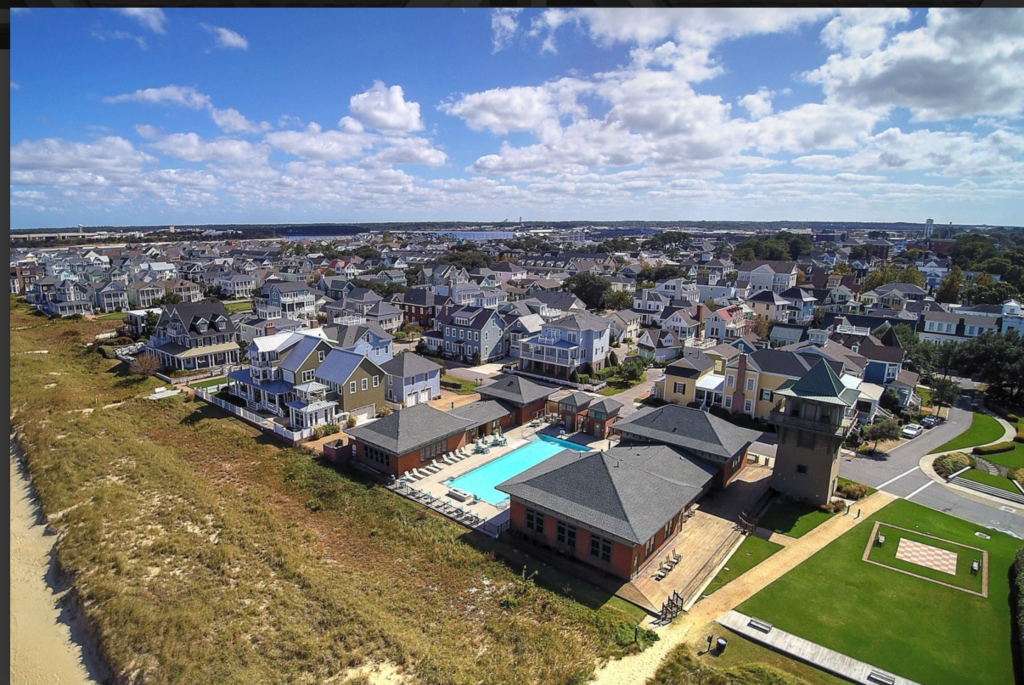
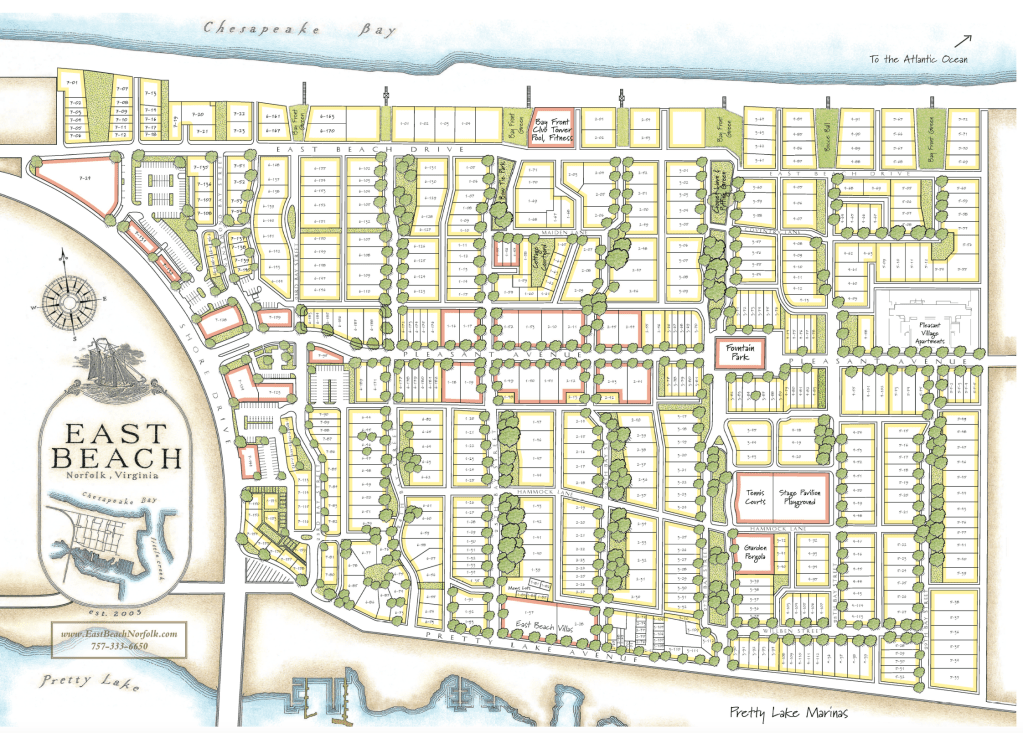

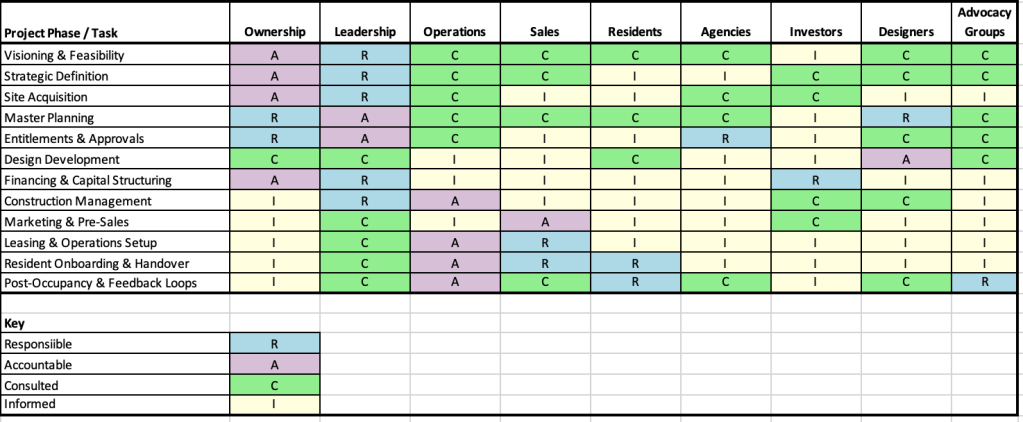
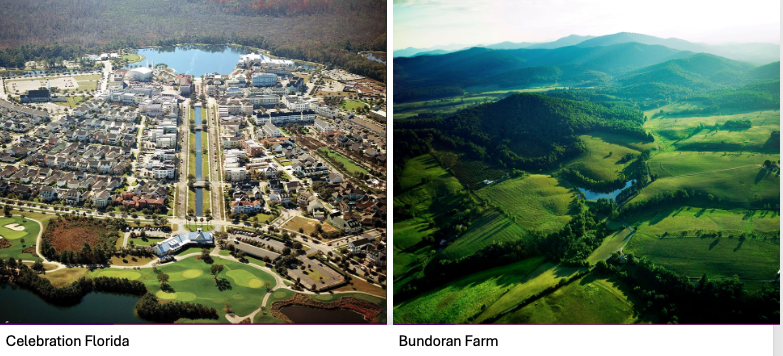
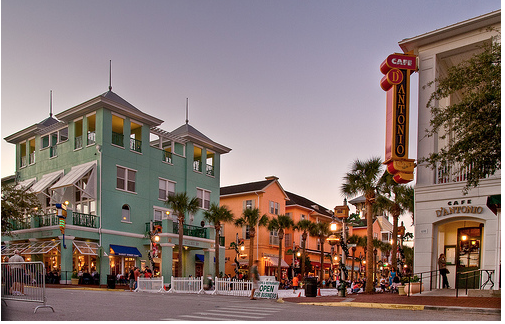
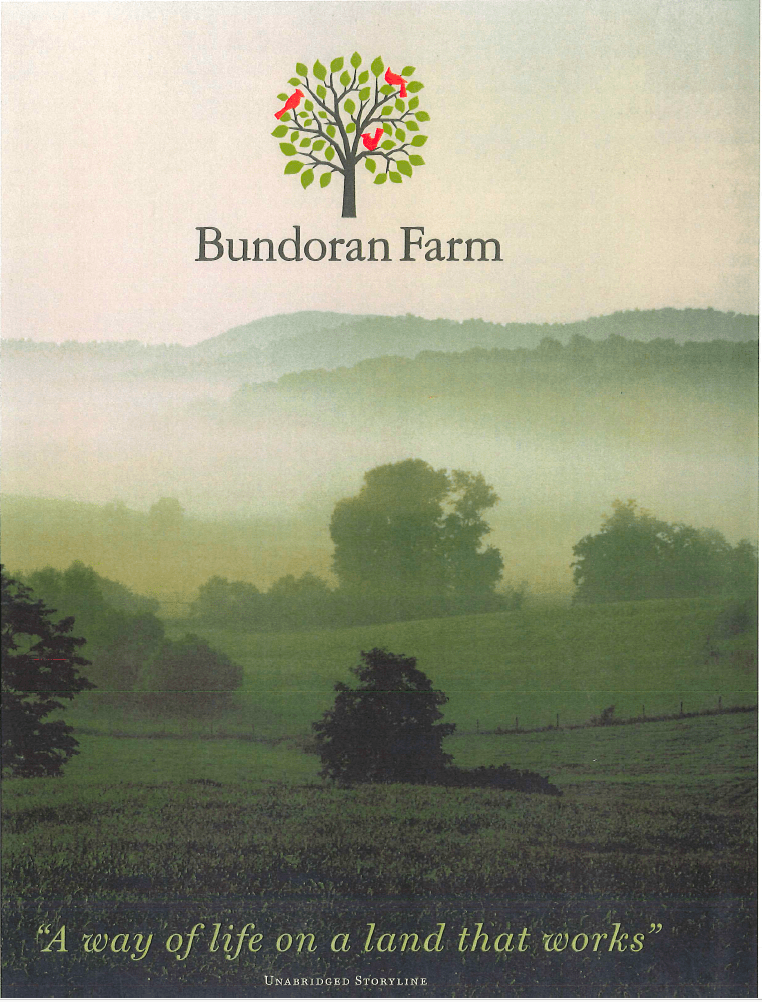
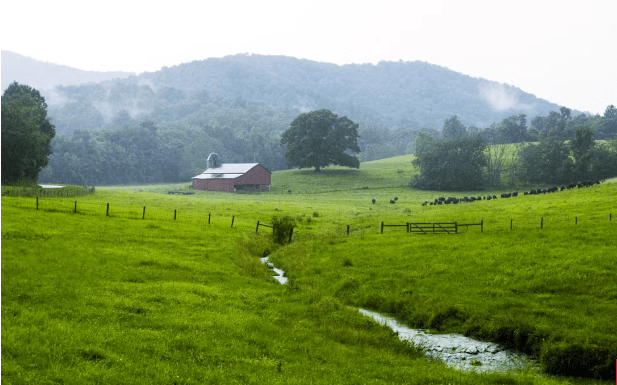
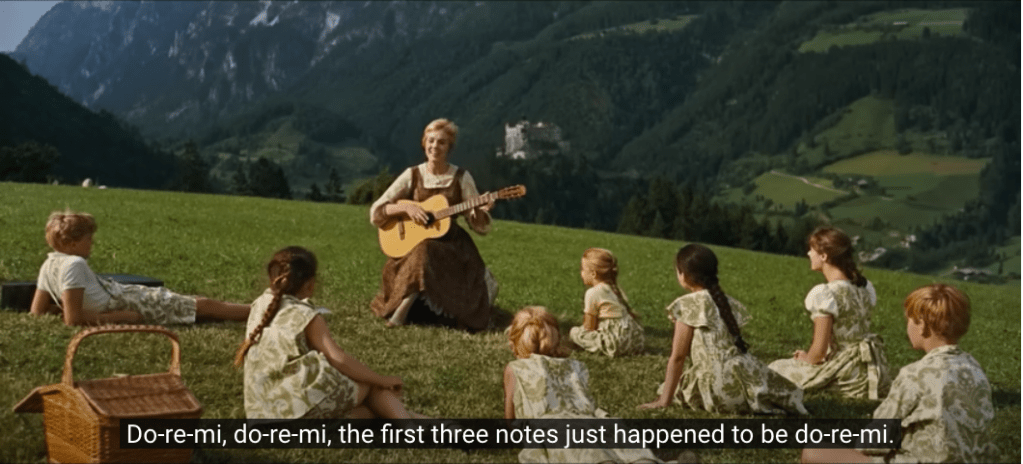
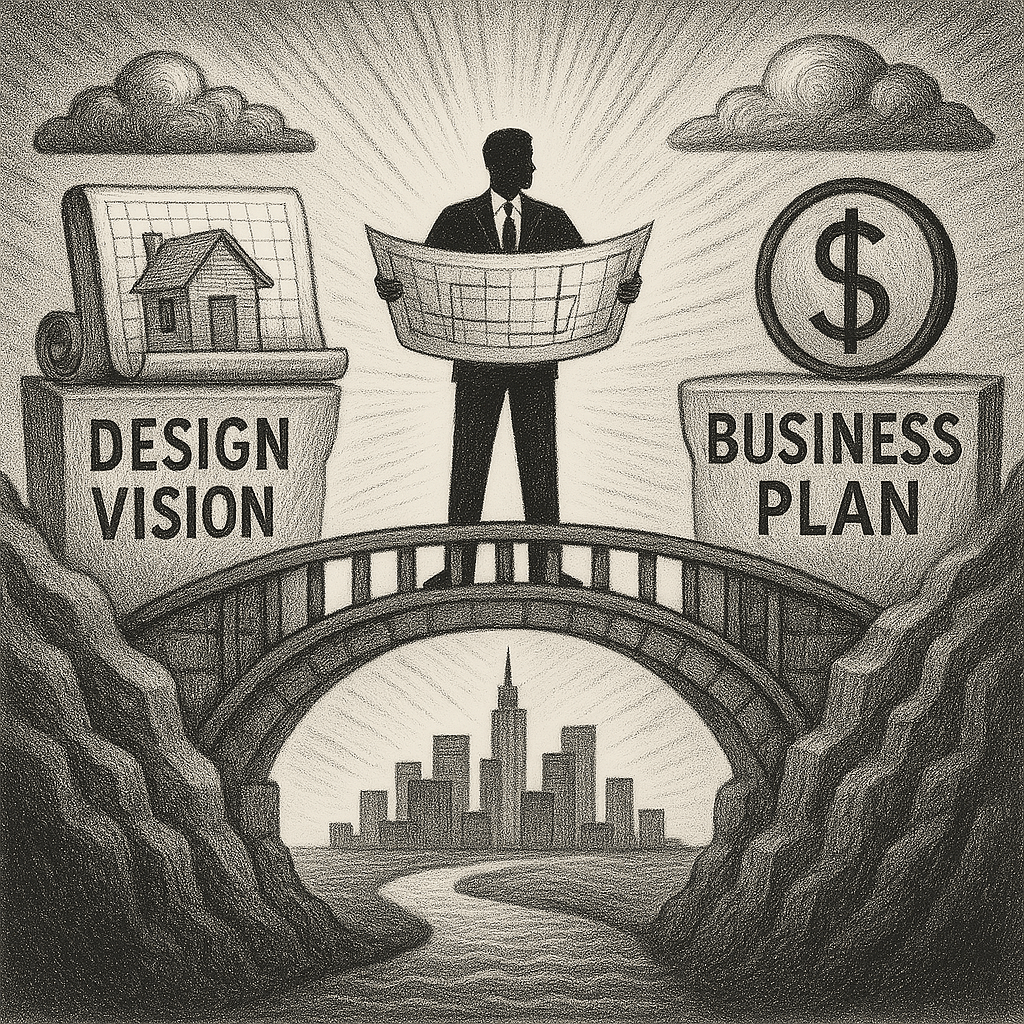



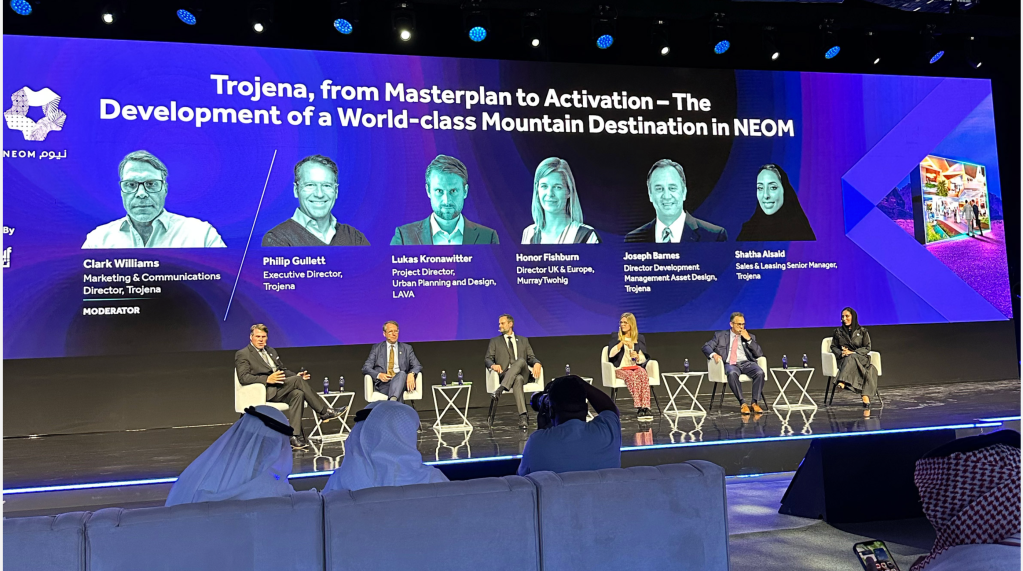
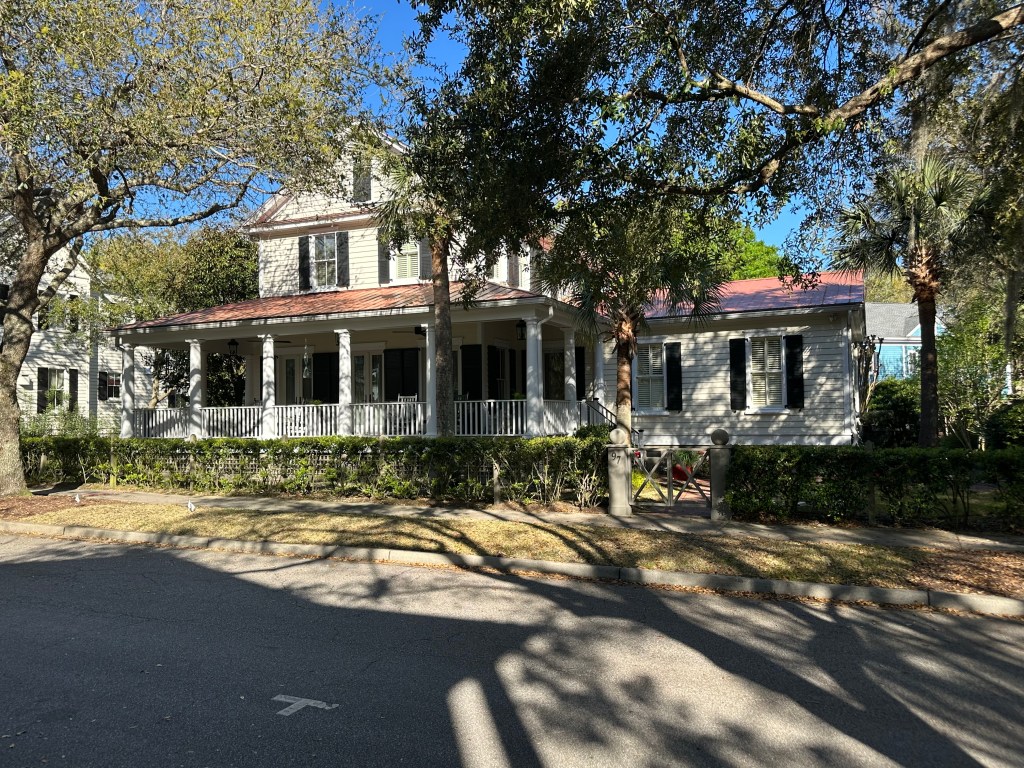


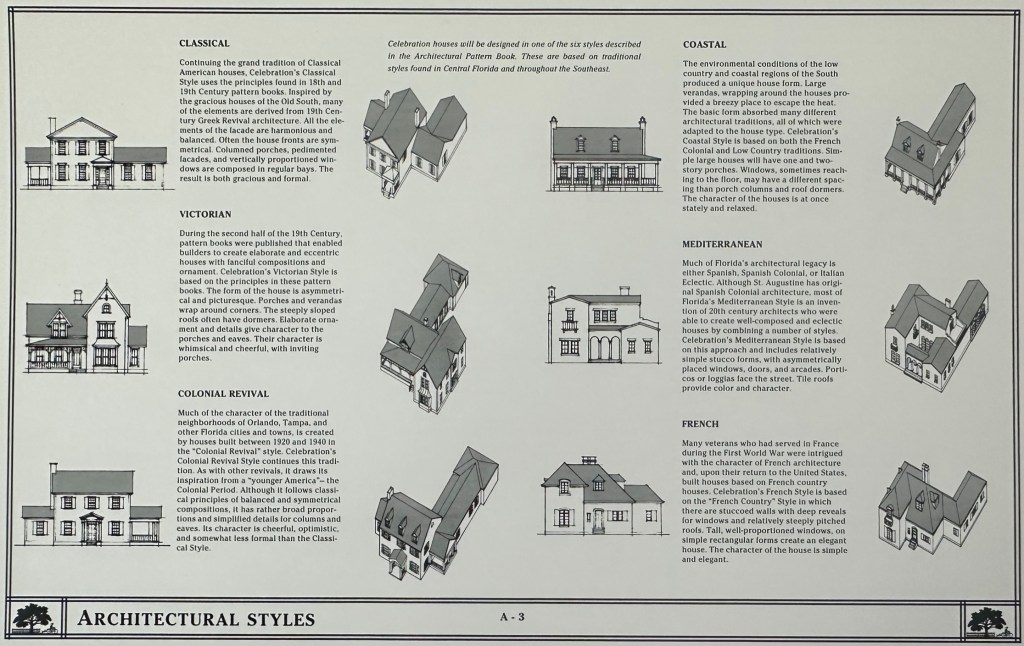
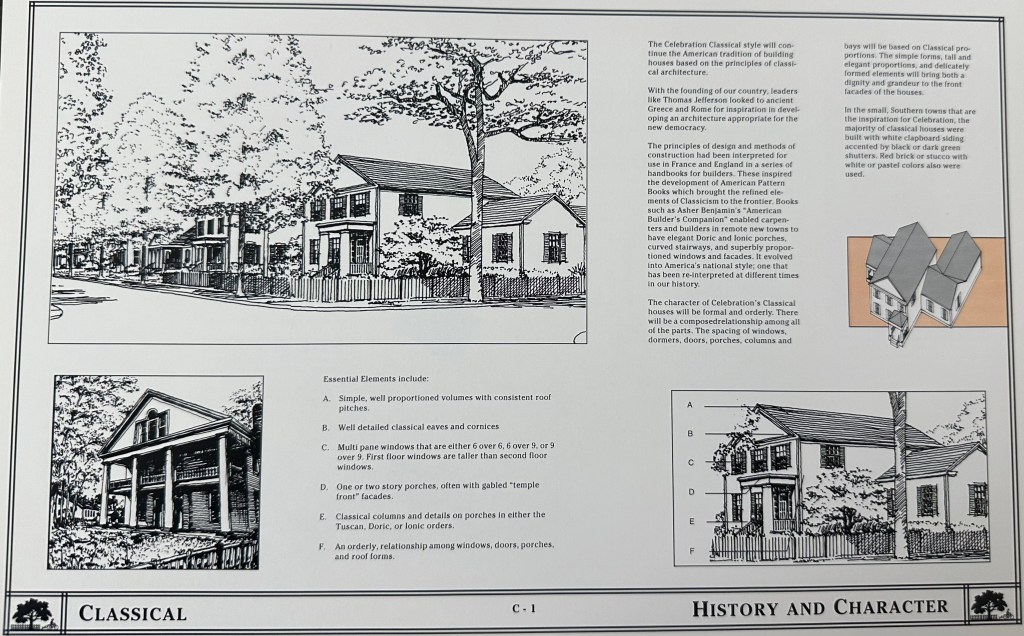
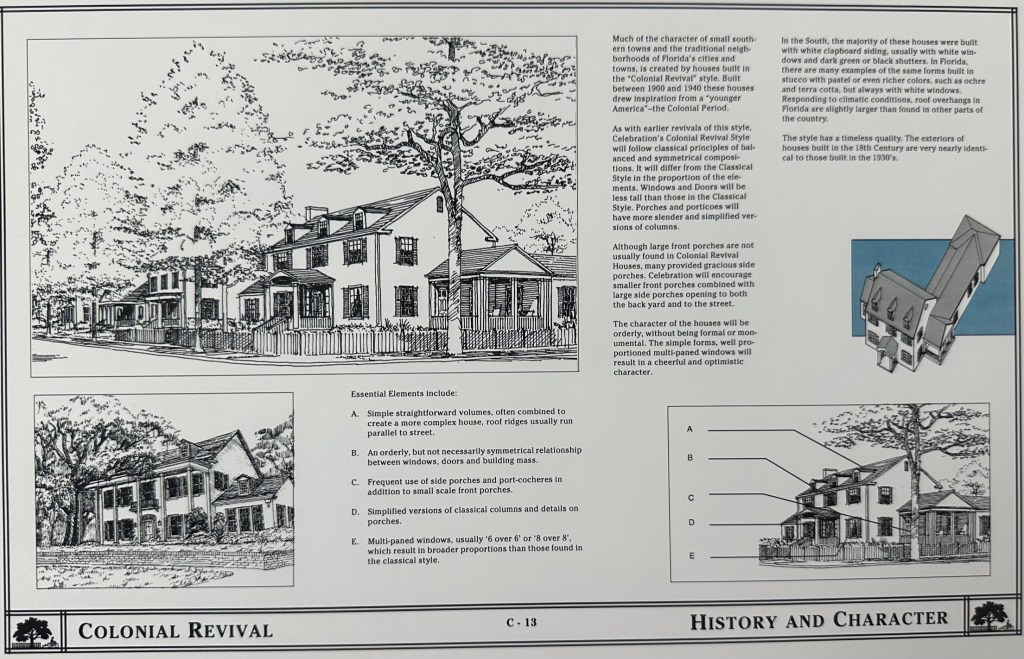
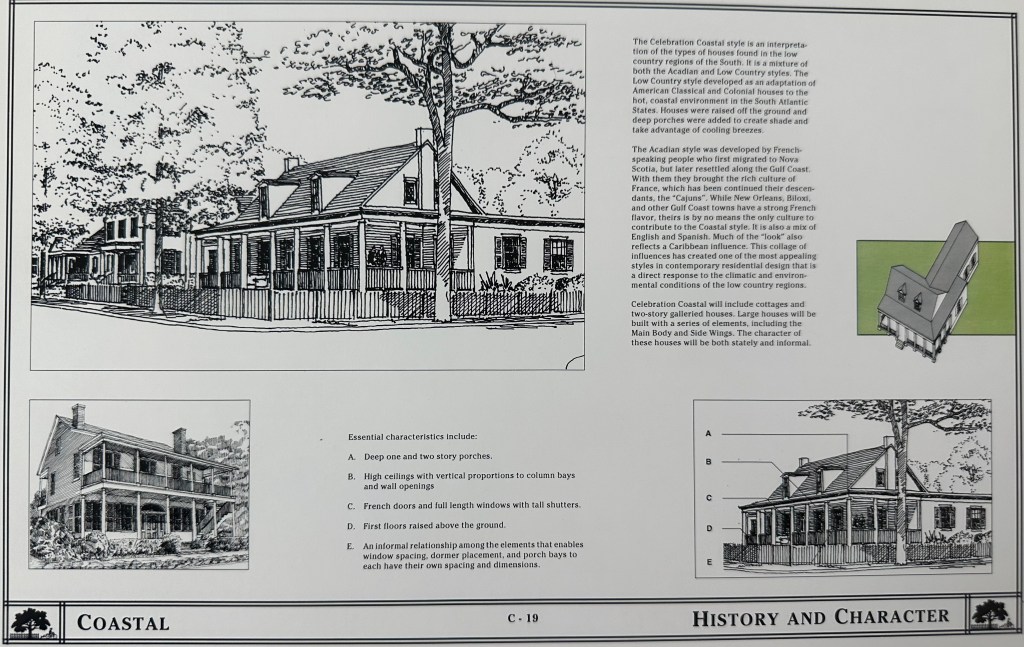
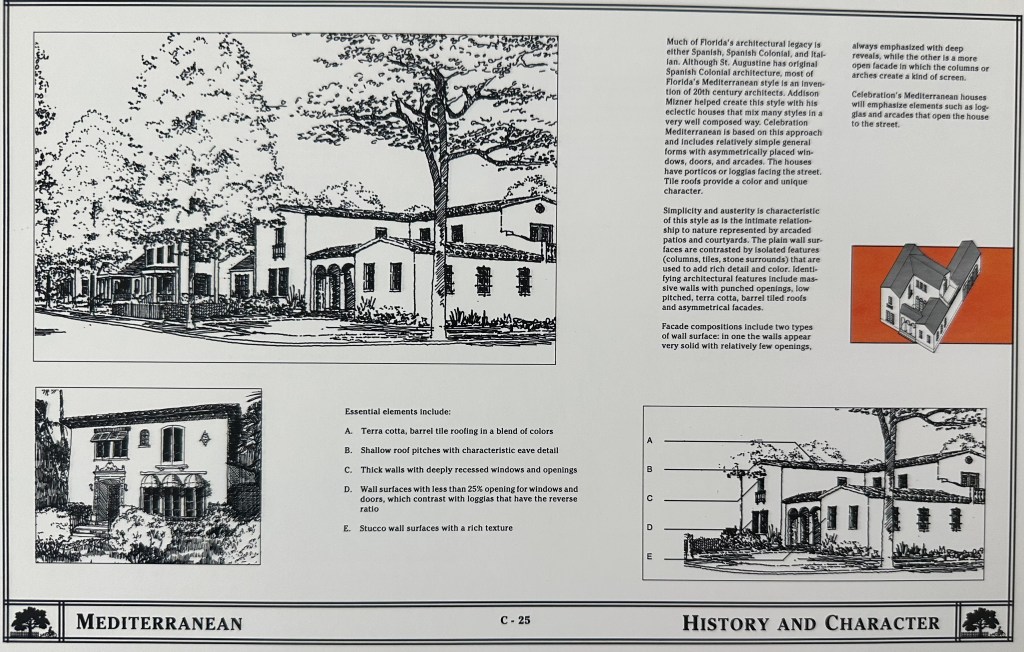
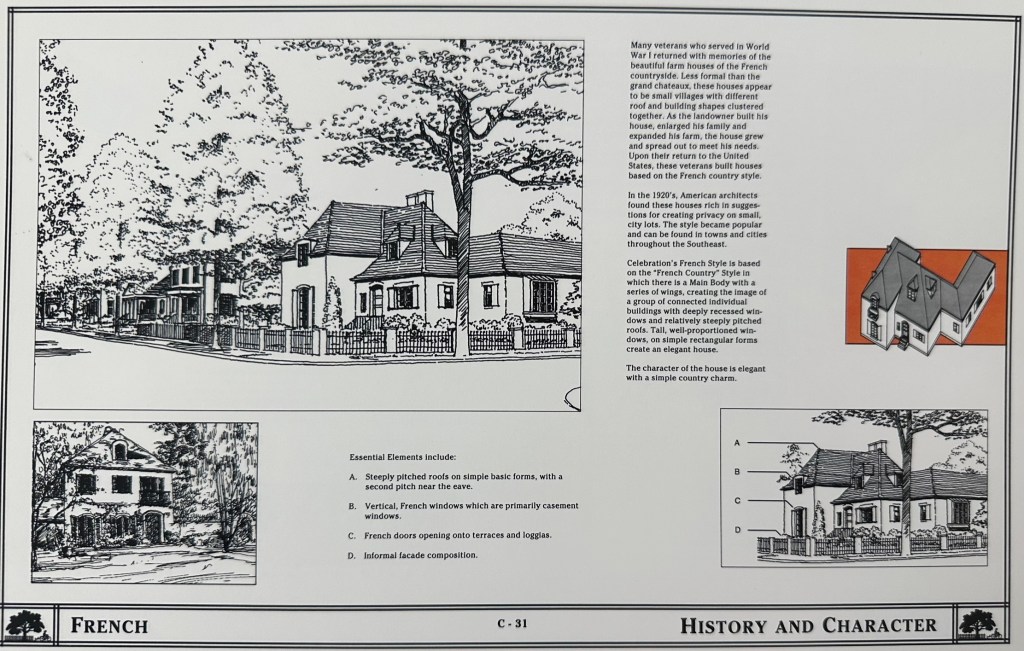
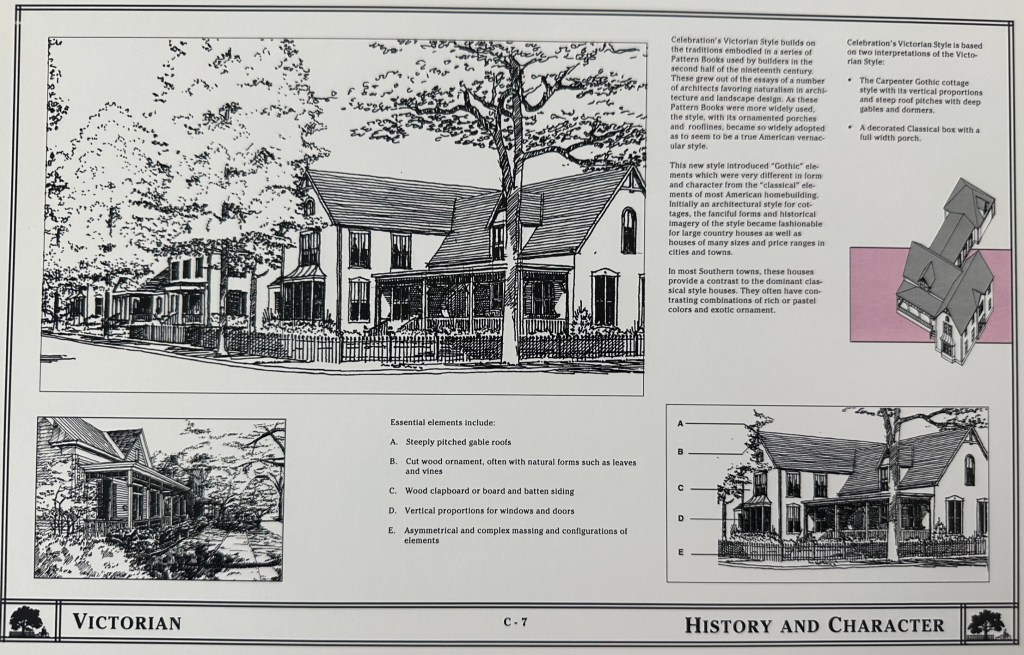
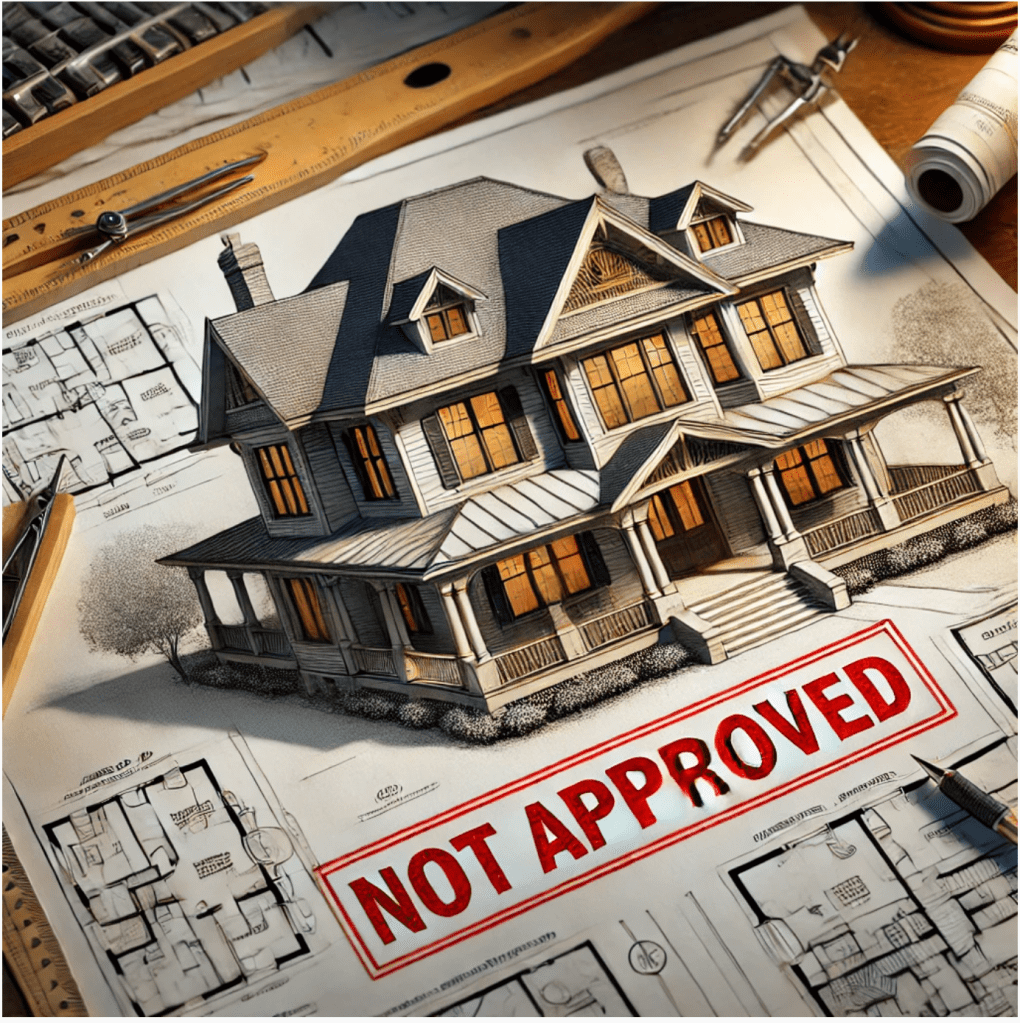
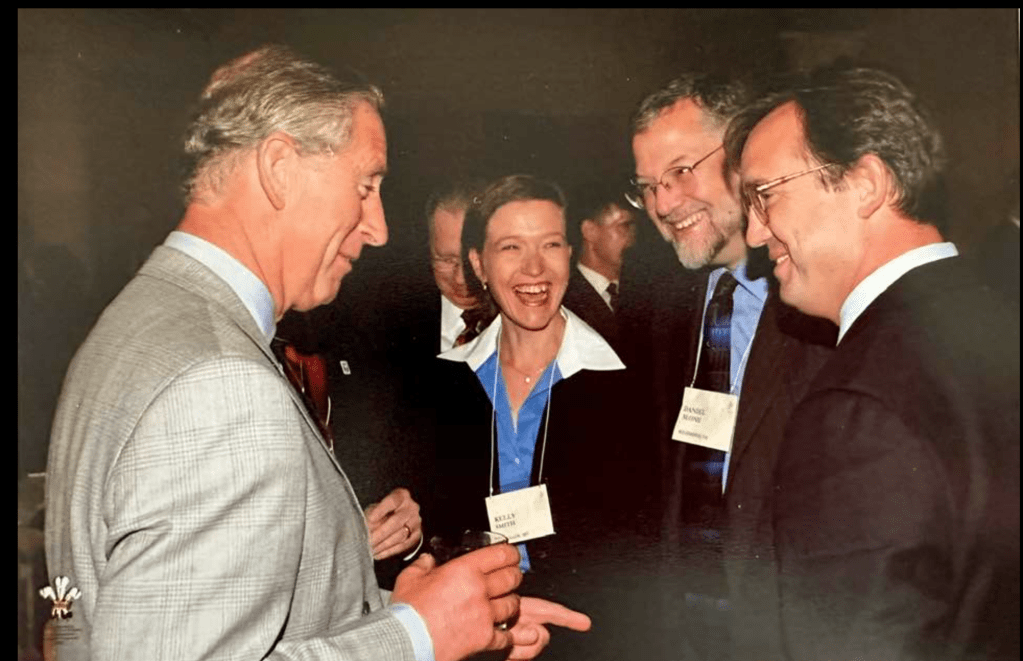

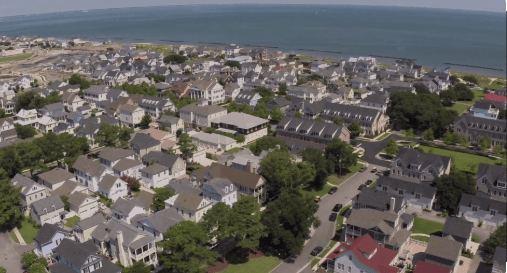
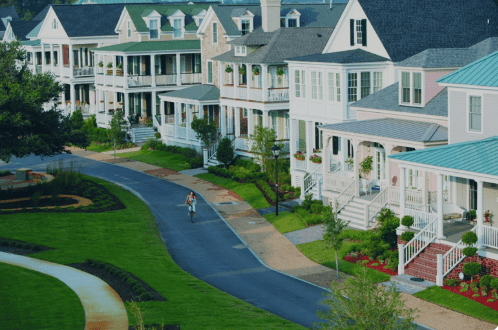
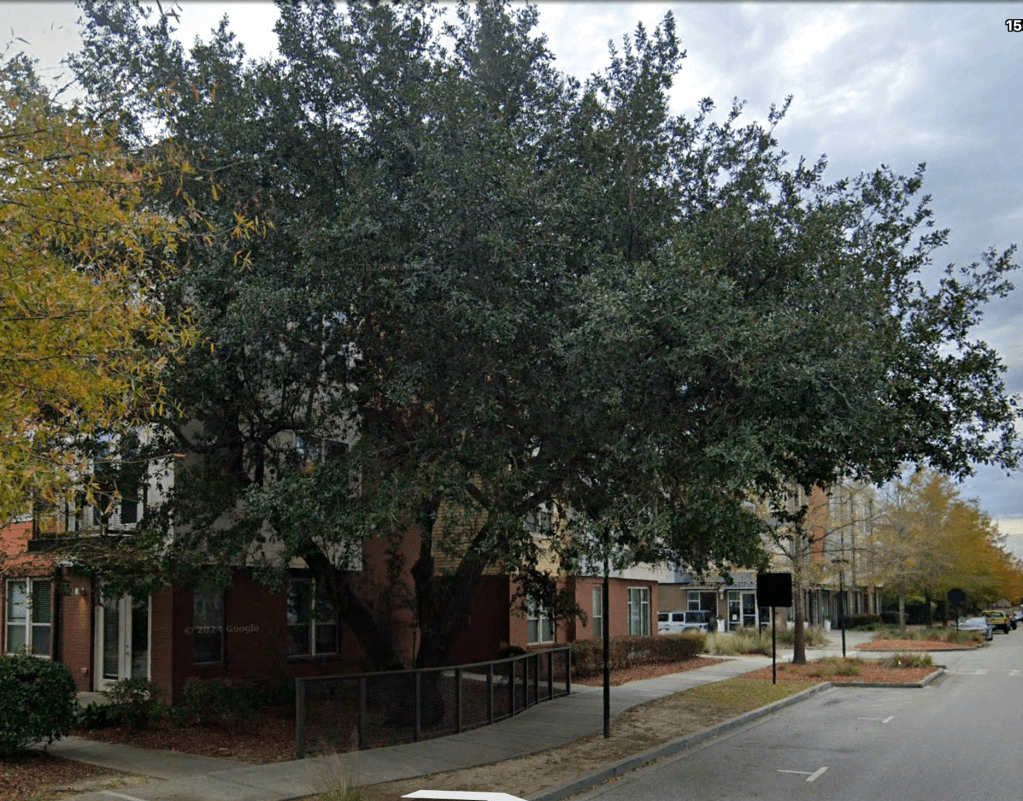



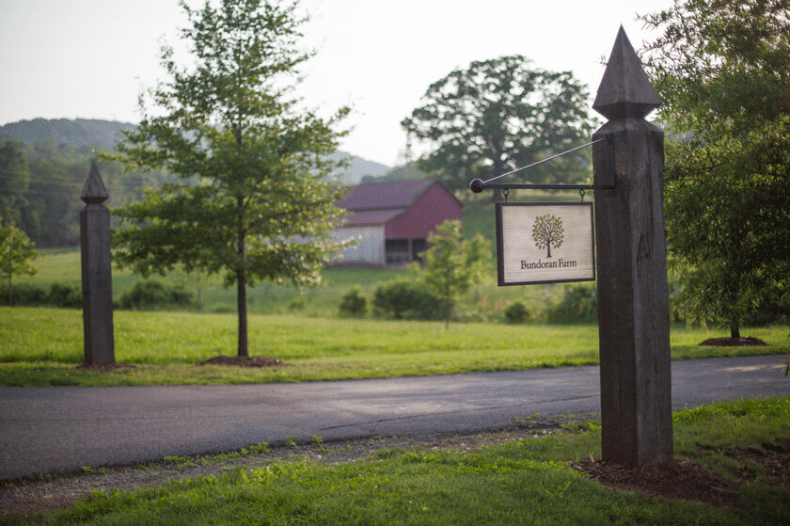
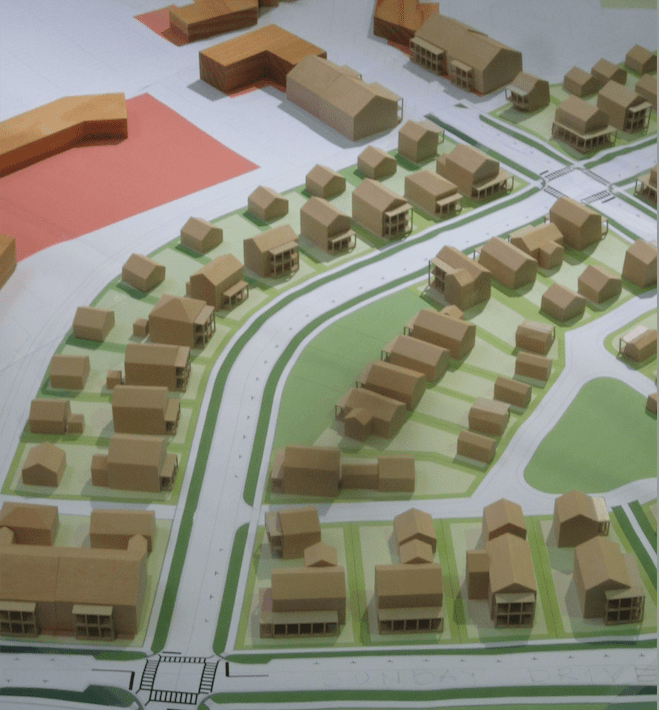
 The Barnes Perspective: Thoughts, Ideas & Lessons Learned from Joseph Barnes