Not every success story starts with recognition. Sometimes, it begins with struggle, rejection, and a sense of not belonging. The Ugly Duckling, one of Hans Christian Andersen’s most famous tales, follows a young bird that is cast aside because he looks different. No matter where he turns, he is reminded that he doesn’t fit in.
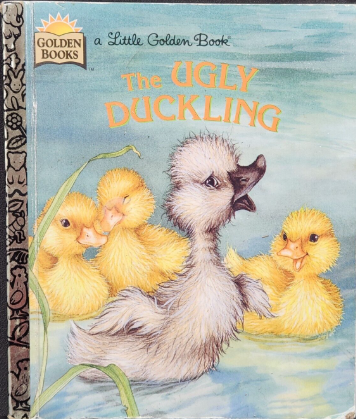
Forced to wander alone, he faces hardship but keeps moving forward, searching for where he truly belongs. As time passes, he transforms—not because he changes who he is, but because he grows into what he was meant to become. When he finally encounters swans, he realizes he is one of them. The qualities that once made him an outcast were, in fact, signs of his true nature.
This story holds lessons far beyond childhood. In professional settings, people, ideas, and projects often face skepticism before their value is fully realized. For those in design management, real estate development, and community planning, The Ugly Duckling offers insights into resilience, vision, and the power of transformation.
1. Embracing Long-Term Vision Over Immediate Appearances
Lesson: True potential is not always immediately visible. Initial struggles or misalignment with conventional expectations don’t define future success.
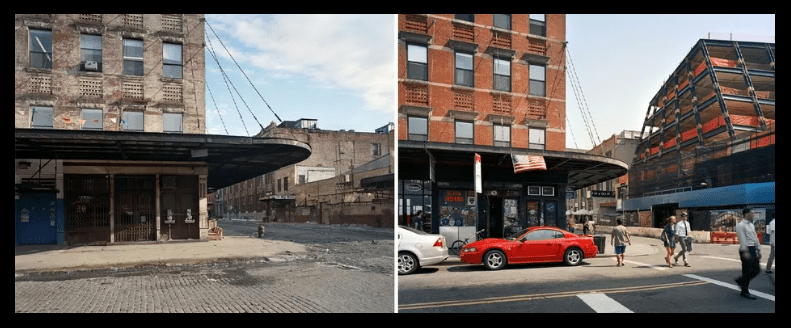
Example: When revitalizing a neglected neighborhood or redeveloping an old property, it’s easy to focus on its current state—dilapidated, undervalued, and seemingly without promise. But a visionary developer sees beyond that. Many thriving urban districts today, such as New York’s Meatpacking District or London’s Shoreditch, were once written off as undesirable. With patience and strategic investment, they became vibrant hubs of culture and commerce.
2. The Importance of Resilience in the Face of Rejection
Lesson: Early rejection or failure doesn’t mean defeat—it’s often a sign that you’re in the wrong environment.
Example: A designer may propose an innovative concept that gets rejected multiple times because it challenges traditional norms. However, with persistence and belief in the idea, that concept may later become a groundbreaking success. Apple’s original iPhone design faced skepticism within the industry, yet it redefined mobile technology. In managing design teams, encouraging resilience and iteration leads to creative breakthroughs that redefine industries.
3. Finding the Right Environment is Key to Success
Lesson: The ugly duckling wasn’t inherently flawed—he was just in the wrong place. Finding the right environment can unlock potential.
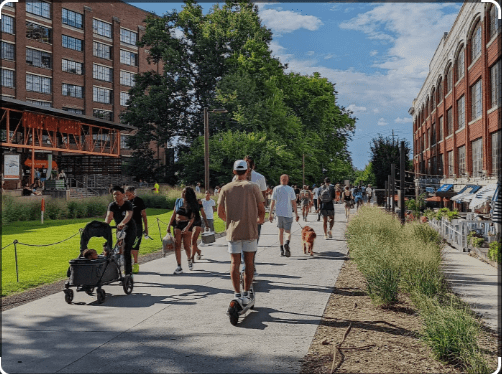
Example: Some neighborhoods struggle not because the people or places are inadequate, but because the right support structures aren’t in place. A thoughtful community developer recognizes this and works to introduce the right mix of infrastructure, public spaces, and economic opportunities. Look at the transformation of areas like Atlanta’s BeltLine—a former railway corridor turned into a thriving mixed-use development that brought communities together.
4. Growth and Transformation Take Time
Lesson: Just as the ugly duckling took seasons to become a swan, meaningful change—whether personal, professional, or within an industry—takes time and patience.
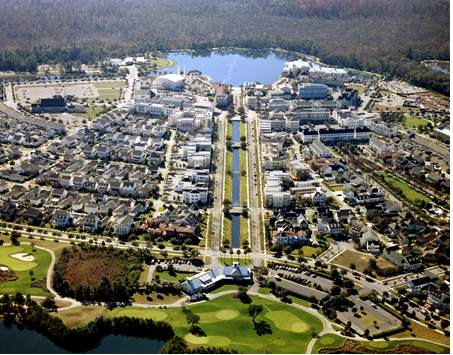
Example Master-planned communities and large-scale mixed-use developments take years, sometimes decades, to reach their full potential. Consider Celebration, Florida—originally conceived by Disney as a model town. Prior to its opening and initial sales launch, we received significant push back from “industry experts” who thought at the time controversial such as integrating various house sizes and price points into the same neighborhood was a recipe for failure. It took time for the community to establish itself, evolve, and fully embody its vision. Developers and planners must recognize that their work is not about quick wins but about fostering long-term value.
5. Your Perceived Weaknesses May Be Your Greatest Strengths
Lesson: What once made the duckling feel like an outsider—his unique features—was actually what made him exceptional.
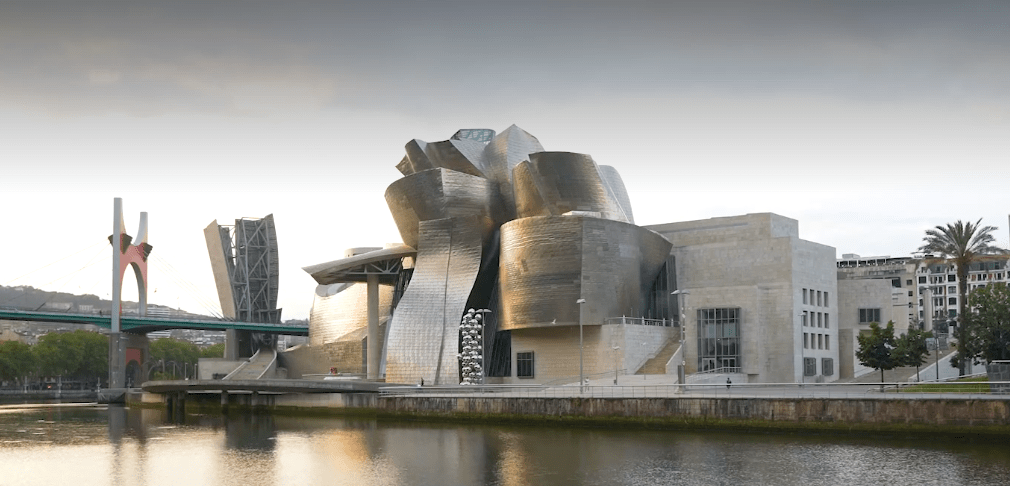
Example: Innovative designs often begin as controversial ideas. Think about Frank Gehry’s architectural work—his unconventional, curvilinear buildings were initially criticized but are now celebrated as masterpieces. Encouraging designers to lean into their unique perspectives instead of conforming to the status quo leads to industry-defining work.
Conclusion: Seeing Potential Where Others Do Not
At its heart, The Ugly Duckling is about recognizing value that isn’t immediately obvious. In professional life, it’s easy to dismiss an idea that challenges the status quo, a neighborhood that seems too far gone, or a project that doesn’t fit traditional expectations. But true leaders in design, development, and community building see beyond the present.
They understand that transformation takes time, that the right environment matters, and that what may seem like a disadvantage today could be the very thing that leads to success tomorrow. Whether guiding a team through creative challenges, shaping a long-term real estate vision, or reimagining how a community can thrive, the most impactful professionals are those who, like the swan in the story, recognize potential even when others don’t.
 The Barnes Perspective: Thoughts, Ideas & Lessons Learned from Joseph Barnes
Leave a comment