The Story of Mike Mulligan and His Steam Shovel
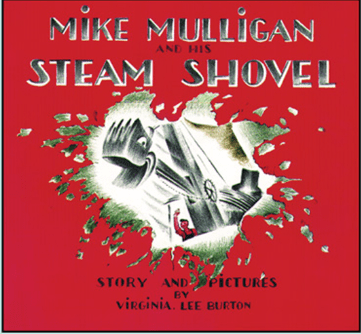
Virginia Lee Burton tells the story of a man and his beloved steam shovel, Mary Anne, who find themselves on the brink of obsolescence in the face of modern technology. Mike and Mary Anne had once been celebrated for their work, digging canals, roads, and skyscraper foundations. But as newer, more advanced machines emerged, their services were no longer in demand.
Determined to prove their worth, Mike and Mary Anne travel to the small town of Popperville, where they offer to dig the foundation for a new town hall. They promise to complete the job in just one day—a bold claim. As townspeople gather to watch, Mike and Mary Anne work tirelessly, digging faster and faster, fueled by determination and pride in their craft. True to their word, they finish the job just as the sun sets. However, in their enthusiasm, they fail to leave an exit path for Mary Anne, trapping her in the foundation.
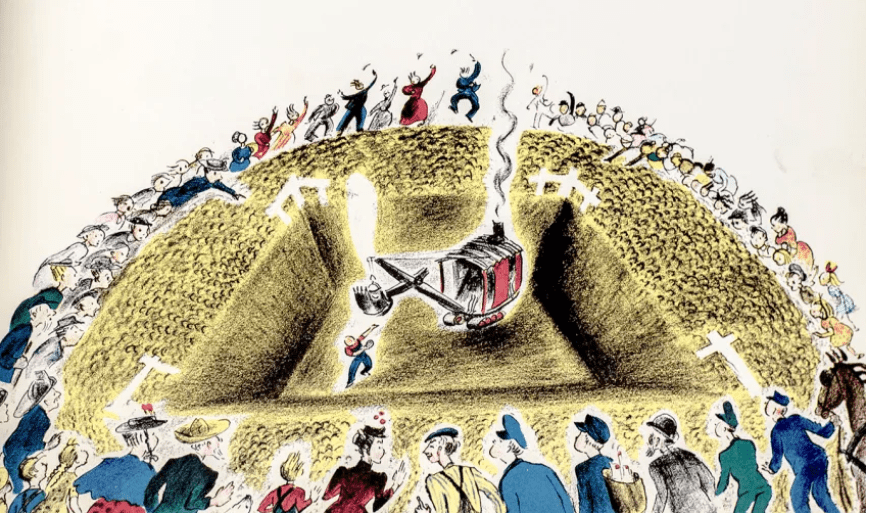
Rather than seeing this as a mistake, the townspeople embrace it as an opportunity. Mary Anne is repurposed into the town hall’s heating system, ensuring she remains useful in a new way. Mike, rather than mourning the end of his career as a steam shovel operator, transitions to a new role as the building’s caretaker, proving that adaptability and resourcefulness can turn setbacks into successes.
5 Key Takeaways from Mike Mulligan and His Steam Shovel
This charming children’s book is more than a nostalgic tale—it’s a powerful allegory for professionals in design management, community development, and real estate development. Here are five key lessons from Mike Mulligan and His Steam Shovel that remain deeply relevant today:
1. Adaptability is Key to Long-Term Success
Mike and Mary Anne faced a harsh reality: the world was changing, and their traditional skills were becoming obsolete. Rather than giving up, they found a way to showcase their value in a different setting, ultimately transitioning into new roles.
Example: Developers often face market shifts—trends change, economic conditions fluctuate, and consumer demands evolve. A project that was once viable might no longer be relevant. Successful developers recognize these shifts early and pivot accordingly. For instance, when demand for retail spaces declined in urban centers, many developers reimagined those properties as mixed-use developments, incorporating co-working spaces, residential units, and community hubs to stay relevant.
2. Bold Commitments Can Inspire Action
Mike’s promise to complete the job in one day was audacious, but it created excitement, drew attention, and mobilized the community. Bold goals, when backed by genuine capability, can be a powerful catalyst for engagement and success.
Example: When leading large-scale design initiatives, setting ambitious but achievable goals can be a game-changer. Suppose a design team working on a new luxury resort commits to unveiling a fully developed concept in a remarkably short timeframe. If the team is well-coordinated and motivated, this challenge can drive efficiency, innovation, and collaboration, rallying both stakeholders and creatives around a shared objective.
3. Community Engagement Drives Buy-In and Support
Mike and Mary Anne’s work became a spectacle—the entire town gathered to watch them dig, turning their project into a shared experience. This engagement ultimately led to the town embracing their presence and finding a creative way to keep them in the community.
Example: Public buy-in is crucial for the success of any development project. In revitalizing a historic downtown, for instance, involving residents in design charrettes, gathering input on preferred amenities, and hosting interactive town hall meetings can turn skeptics into advocates. When people feel like they have a voice in shaping their environment, they become invested in the project’s success rather than opposing it.
4. Resourcefulness Can Turn Setbacks into Opportunities
Getting stuck in the foundation could have been a disaster, but instead, it led to an innovative solution—transforming Mary Anne into a heating system and giving Mike a new role. The ability to reframe setbacks as opportunities is invaluable.
Example: Consider a scenario where a planned residential development faces zoning challenges that prevent high-density housing. Instead of abandoning the project, a resourceful team might pivot to a low-density, eco-friendly community model, incorporating green spaces and sustainable design principles. This shift could not only resolve the zoning conflict but also create a unique selling point that enhances market appeal.
5. Legacy Matters More Than Just the Next Project
Mike and Mary Anne’s final job didn’t just prove their capabilities—it secured their legacy. Their story became part of the town’s identity, ensuring they would be remembered for generations.
Example: Developers and planners who think beyond short-term profit and focus on creating enduring, high-quality environments leave a lasting impact. A well-designed, walkable community with thoughtfully integrated green spaces, cultural institutions, and public gathering areas becomes more than just real estate—it becomes a cherished part of people’s lives. Those who prioritize long-term vision over immediate gain contribute to something greater than themselves.
Final Thoughts
Mike Mulligan and His Steam Shovel may be a children’s book, but its lessons resonate far beyond the pages of a bedtime story. Adaptability, bold thinking, community engagement, resourcefulness, and legacy-building are principles that guide the most successful professionals in design management, community development, and real estate development.
Whether you’re designing a new resort, revitalizing a neighborhood, or leading a major development project, take a page from the story of Mike Mulligan and His Steam Shovel —embrace change, rally people around a compelling vision, and find ways to leave a lasting impact. Because, in the end, it’s not just about what you build—it’s about the legacy you leave behind.


Leave a Reply