Max made mischief of one kind and another… and when he was sent to bed without eating anything, something changed.
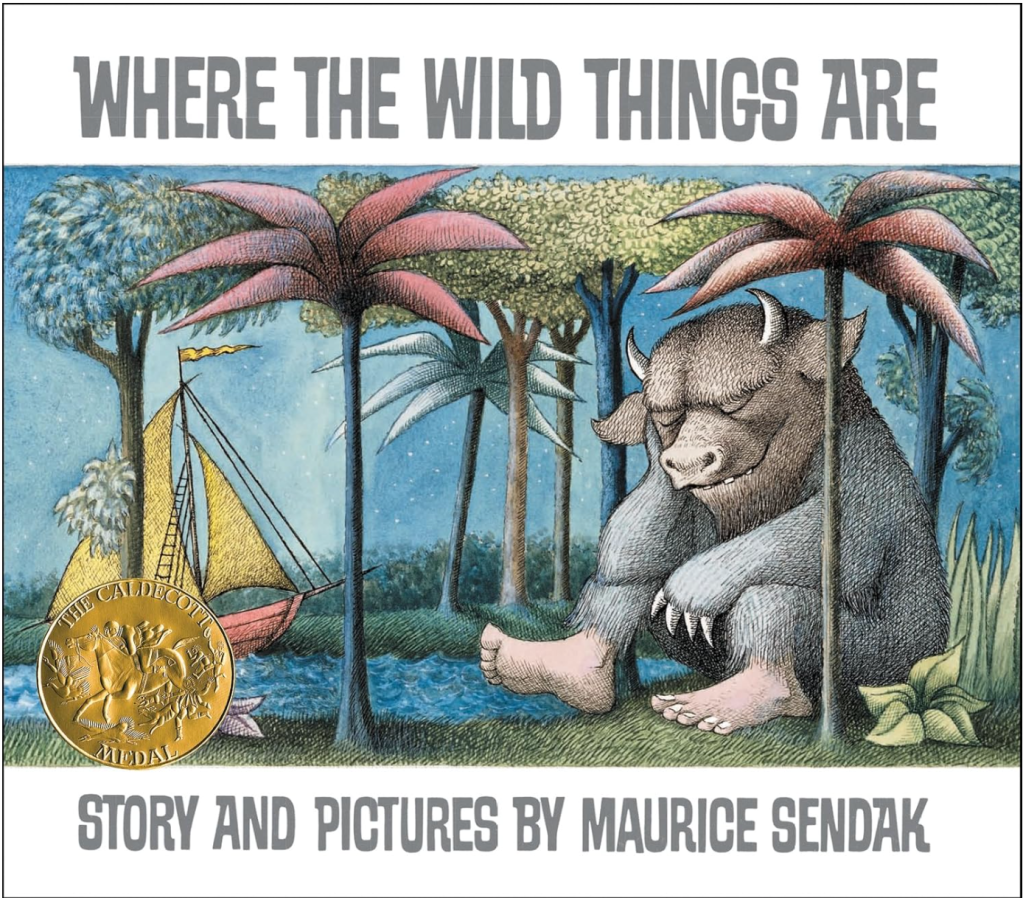
Max wasn’t trying to escape. Not really.
But when the walls of his room quietly grew into a forest, and a private boat appeared—ready to sail off through night and day and in and out of weeks, to the place where the wild things are—he didn’t hesitate.
He went.
He ruled.
He played.
He howled with the wildest of them.
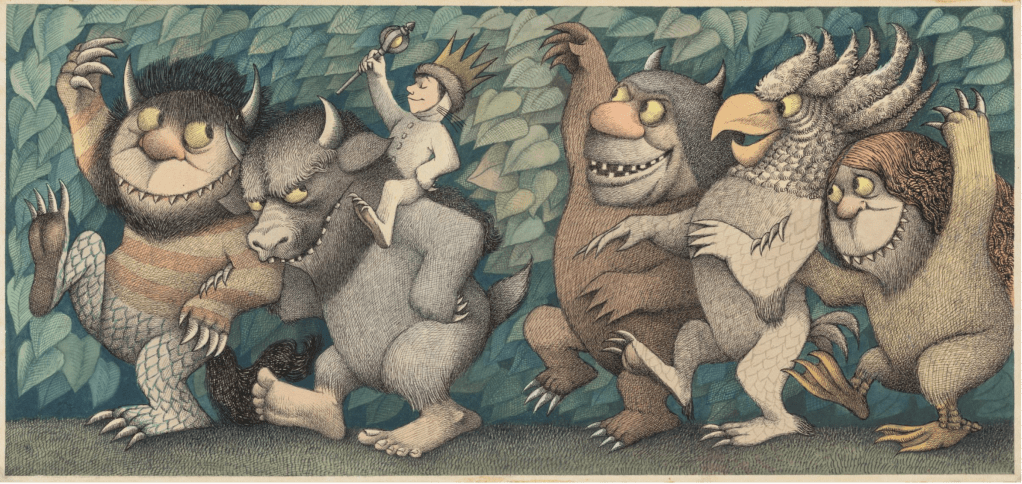
But even as king, adored and worshipped, Max realized something was off. Something was missing. Something warm, familiar, and deeply human.
So he gave up the crown, stepped off the throne, and sailed home—back to the place where someone loved him best of all.
And the soup was still hot.
—
Maurice Sendak’s Where the Wild Things Are is short. Just 338 words. But it’s layered with insight—especially through an adult lens.
If you work in community design and development, chances are you’ve lived some version of Max’s story.
You dream.
You venture into unfamiliar territory.
You wrestle with monsters—some literal, some organizational.
You crown yourself king.
And then—if you’re paying attention—you realize the real magic isn’t in the spectacle. It’s in the return. The connection. The grounding.
Here are three takeaways that still matter—maybe more than ever.
Imagination Is Not Optional
Max’s journey doesn’t begin with a strategy or a master plan.
It starts with wildness.
He’s emotional. Unfiltered. Creative in the way only a child—or a visionary—can be.
That’s the same place a compelling development vision must begin. With something felt.
At Bundoran Farm, a 2,300-acre preservation-based community in Albemarle County, Virginia, we didn’t begin by writing design guidelines or calculating density.
We started with a story.
The Bundoran Farm Storyline wasn’t a business plan. It wasn’t even a brochure.

It was an unabridged narrative—a document that wove together history, landscape, values, and a long view of what life could feel like on a working farm where people also lived.
It laid out the “Bundoran Creed,” a clear articulation of principles like respecting the land, fostering interdependence, and pursuing sustainability in a real, practical sense.
It didn’t tell people what to build. It helped them understand why they were building at all.
This kind of document didn’t just align teams. It inspired them.
It influenced everything—brand identity, design language, marketing tone, operational decisions. It gave people a way to talk about the project with clarity and conviction.
If you’re leading a project, don’t be afraid to start with the imaginative layer. A storyline, a set of beliefs, a future narrative—whatever shape it takes, make sure it captures emotion as much as ambition.
Because spreadsheets won’t move people. Stories will.
Authority Doesn’t Replace Connection
Max becomes king. Instantly.
The Wild Things beg him to stay.
But it’s not enough.
He misses the quiet love and presence of someone who cares for him—not because he rules, but because he’s real.
Leadership in our world can look a lot like Max’s throne. Big title. Big expectations. Big stage.
But if it’s all authority and no connection, it crumbles.
I’ve been fortunate to work with several bosses and line managers—some incredible, true leaders who inspired growth and loyalty, and others… well, let’s just say “Boss” spelled backwards is “Double SOB.” I learned from both. What to do. And what not to do.
The good ones lived the principles outlined in Simon Sinek’s Leaders Eat Last. At its core, the book emphasizes that great leaders prioritize the well-being of their teams. They create environments where people feel safe, valued, and part of something bigger. Sinek argues that when leaders put others first, trust deepens, collaboration thrives, and performance follows. It’s not about command and control—it’s about care and connection.
One of the best examples I’ve seen of this kind of leadership was during my time working at Trojena, one of the primary regions of NEOM. As Director of Development Management – Asset Design, I had the opportunity to report to Philip Gullett. I was employee number seven on the project—long before it ballooned into a 200+ person team. From my first day on the job, Philip modeled what leadership rooted in connection truly looked like.
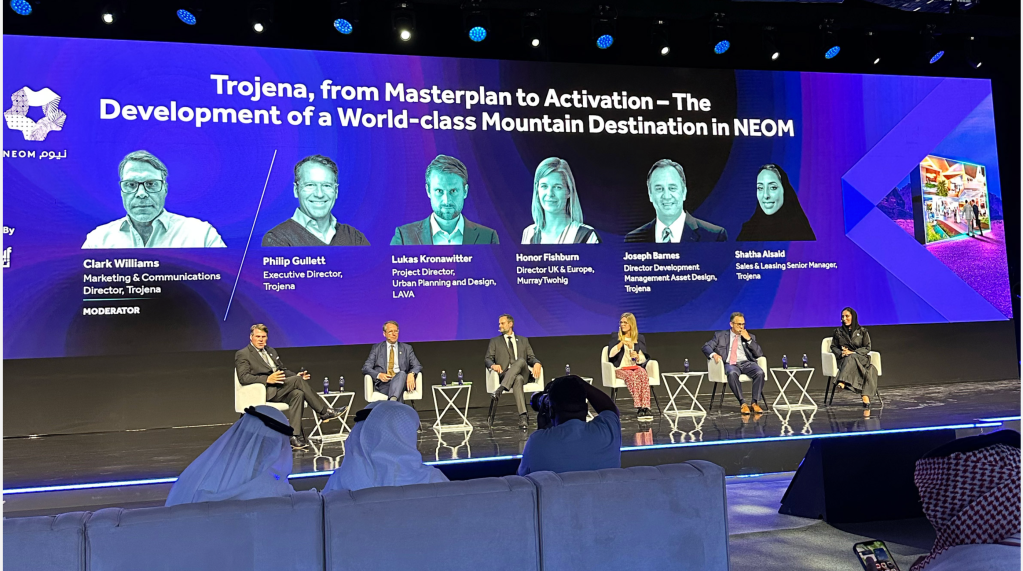
Philip prioritized the health and safety of the team above all else. Office culture and job site safety weren’t just policies—they were values. He wasn’t afraid to take away company car privileges if someone violated safe driving protocols, even for something like speeding or passing on a blind corner. People may have grumbled, but they knew it came from a place of genuine care. He had their safety—and their lives—top of mind.
What stood out even more was how Philip handled pressure from above. When there was bad news or a major pivot from leadership or the board, he never passed the blame or pointed fingers. He absorbed it. Processed it. And protected his team from unnecessary fallout. He never threw anyone under the bus. Instead, he took responsibility even when the issue clearly wasn’t his doing. That kind of leadership builds unshakable loyalty.
As the team grew, it became harder for Philip to maintain the same close relationships with everyone. But the tone he set—his example—rippled outward. Other senior leaders took cues from him. When you take care of your people, they notice. They step up. They work harder. They become more invested in the collective mission.
You can’t fake that.
So as a leader—slow down. Ask better questions. Build trust. Get personal.
Because your best ideas won’t come from your title. They’ll come from your connections.
You Can Always Come Back
Max could’ve stayed.
He was king. Worshipped. Wild.
But he chose to leave.
Not because the island wasn’t fun. Not because the crown didn’t fit.
But because something inside told him—this isn’t it.
And he had the courage to listen.
We had a moment like that at I’On.
At the time, I was serving as General Manager, overseeing everything—design, construction, marketing, community relations, investor communication, all of it. We’d built strong local momentum in the Charleston market, but we hadn’t hit the national stage yet.
Then came the call.
A major national publication wanted to do a Showhouse in I’On. It wasn’t just the magazine either—Bob Vila himself was going to follow the construction over 13 episodes of Bob Vila’s Home Again.
Big-time visibility. Huge brand opportunity. The architect selected? Duany Plater-Zyberk (DPZ), the internationally known firm recognized for their community design work.
We were all in.
We waited, full of anticipation, for the first round of concepts from DPZ.
And then… disappointment.
The designs missed the mark. Badly.
They didn’t reflect the spirit of the Lowcountry. The proportions were off. The sensitivity to local context just wasn’t there. It felt disconnected.
Maybe the firm handed the work off to a junior team. Maybe they misunderstood the market. Maybe they were trying too hard to push boundaries.
Whatever the reason—it wasn’t right.
After some serious internal deliberation, we made the hard call: if the design wasn’t significantly revised, we’d pass on the entire opportunity. That meant walking away from the national spotlight. From Bob Vila. From magazine covers.
And I was the one tapped to deliver that message.
The conversation with DPZ was tough. They were frustrated. But I laid out our concerns honestly. Our responsibility was to the long-term value of the neighborhood—not a temporary flash of attention.
To their credit, the team didn’t shut down.
They regrouped. Reimagined. And what came next was better than any of us expected.
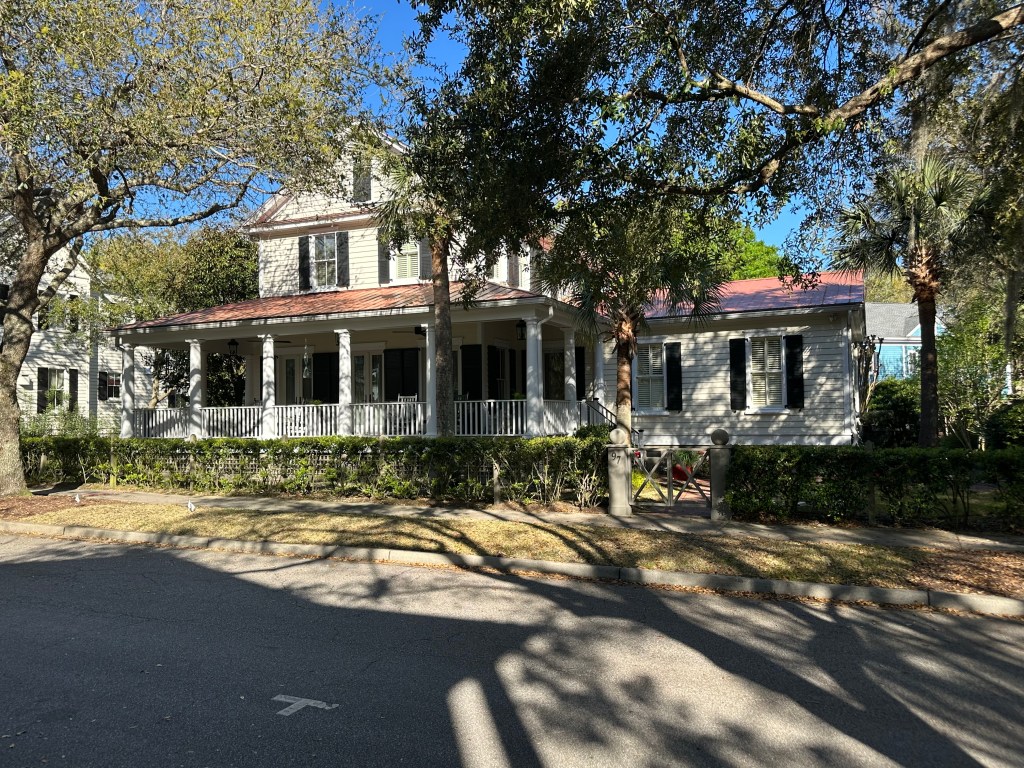
They came back with the concept for what became known as the “Lifespan House”—a home that could evolve over time to accommodate growing families and multigenerational living.
It was beautiful. It was thoughtful. And it was completely aligned with I’On’s values.
The courage to pause and reassess gave space for something better to emerge. A more meaningful story. A design that created lasting, incremental value. A solution everyone could get behind.
Sometimes leadership means pushing forward. But just as often, it means knowing when to stop.
Not everything bold is better.
And not every opportunity is worth it if it costs the integrity of what you’re building.
So if you’re deep in a project and it doesn’t feel quite right—listen to that.
You can always come back. Start again. Get it right.
Because the second version?
That’s often the one that sticks.
And in this case—it did.
Conclusion
Where the Wild Things Are isn’t just a children’s story—it’s a parable for anyone creating something meaningful.
It reminds us that imagination is the spark. That leadership rooted in connection—not just control—is what truly moves people. And that turning back, when done with care and intention, can be the boldest move of all.
Whether you’re building communities, leading teams, or shaping stories, let Max’s journey be a reminder: the wild can teach us—but the warmth of home gives it meaning.
And if you’re lucky, the soup will still be hot.
 The Barnes Perspective: Thoughts, Ideas & Lessons Learned from Joseph Barnes
Leave a comment