Introduction
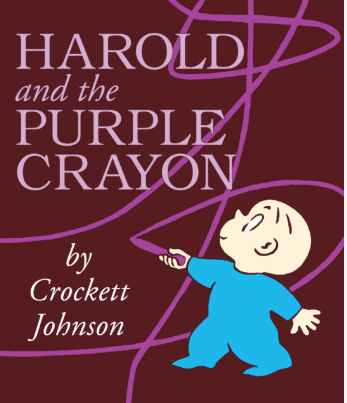
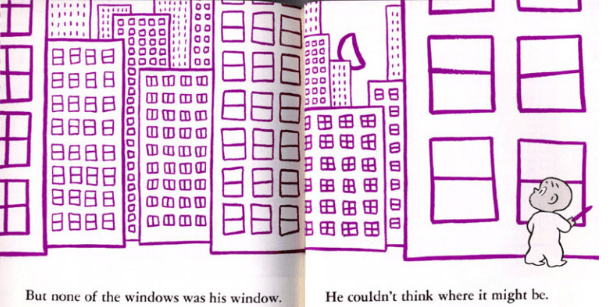
Harold was lost. The city he had drawn—once full of possibilities—had become overwhelming. Windows stacked upon windows, streets tangled into confusion, and no matter which way he turned, he couldn’t find his way home. For a moment, it seemed as if his own creation had swallowed him whole.
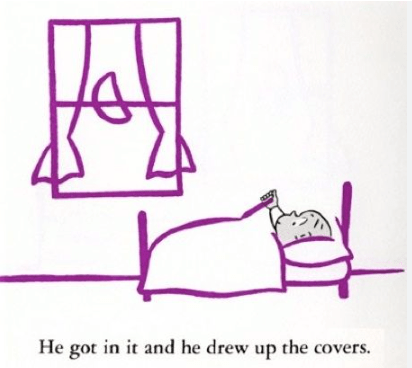
Then, he remembered the moon. The one constant in his adventure, always present outside his bedroom window. He drew a window, placed the moon outside, and suddenly, everything clicked. With a few final strokes of his crayon, he found his way back to bed and drifted to sleep.
At its core, Crockett Johnson’s Harold and the Purple Crayon isn’t just a whimsical children’s book—it’s a profound lesson in vision, problem-solving, and the power of creation. Harold’s journey is a masterclass in navigating uncertainty, shaping reality through intent, and knowing when to simplify. These lessons resonate deeply with professionals in design management, community development, and real estate development, where creating, adapting, and leading through complexity is part of the job.
Here are five key takeaways that extend beyond the pages of Harold’s adventure and into the real-world challenges of shaping spaces, experiences, and communities.
1. Constraints Aren’t Limitations—They’re the Framework for Innovation
Harold can only draw with one crayon and one color, yet he creates an entire world. His limitation doesn’t stifle creativity; it fuels it. For design professionals, architects, and developers, constraints aren’t roadblocks—they are the very things that shape truly creative solutions.
I’ve always admired the mindset of John Reagan, an architect I deeply respect, who once shared his perspective on working with site constraints. He told me:
“I always appreciated and looked forward to projects with challenging site conditions. Anyone can design a house on a flat, rectangular site. But when I have to work around difficult topography, existing easements, or zoning restrictions—that’s when I get to show what a good designer I truly am. That’s when I can create incremental value for my clients.”
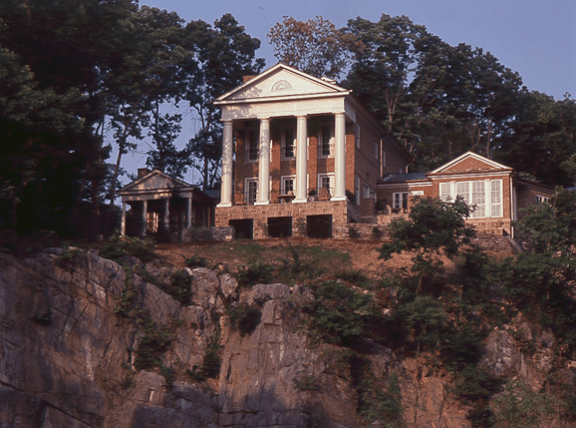
Southern Accents Showhouse, Hot Springs, Virginia by Reagan Purcell Architects
That kind of attitude—embracing challenges rather than resisting them—separates good designers from great ones. The best architects, planners, and developers see constraints not as problems, but as opportunities to innovate, push boundaries, and create something better than what might have been possible under ideal conditions. A site’s quirks can become its greatest strengths if approached with the right mindset.
The reality is, nothing is more daunting than a blank slate—whether it’s an empty sheet of paper, a perfectly flat and unencumbered development parcel, or an unlimited budget. Without parameters, decision-making becomes overwhelming, and designs risk becoming unfocused or indulgent. True innovation emerges from limitations—working within site conditions, historical context, budgetary restrictions, or community needs forces teams to think critically and creatively.
Lesson for Professionals: Whether it’s budget constraints, zoning regulations, or material shortages, professionals must learn that constraints drive smarter, more innovative solutions rather than limiting possibilities.
2. Over-Engineering Can Lead to Chaos
At one point, Harold keeps drawing roads, windows, and buildings, creating a chaotic cityscape. He realizes he’s lost in his own creation and needs to simplify to find his way home. This is a lesson many design professionals, developers, and planners have to learn—the hard way.
The KISS principle—Keep It Simple, Stupid—is one of the most essential yet difficult concepts to master in design and development. Complexity often leads to chaos, confusion, and failure, while clarity and simplicity require a keen understanding of the problem. It’s much easier to pile on layers of features, grand ideas, and intricate details than it is to boil something down to its essence and find a truly meaningful solution.
One of the greatest design lessons I was ever taught came during my undergraduate years at the University of Virginia’s School of Architecture. My design studio teaching assistant, Jeff Bushman, once looked over an in-progress design on my drafting board, shook his head, and told me I was making things way too complex—muddled and confusing. Then he offered these words of wisdom:
“Joe, Dare to be Boring.”
At the time, it stung. But over the years, I came to understand exactly what he meant. Simplicity isn’t about making something dull—it’s about removing the unnecessary, focusing on what truly matters, and trusting that clarity is more powerful than complexity. It’s a philosophy I still live by.
Lesson for Professionals: Overcomplicating a project—whether through excessive design features, unnecessary amenities, or bloated processes—can distract from the core goal. Simplicity and clarity should always guide decision-making.
3. Narrative Matters—People Buy Into Stories, Not Just Products
Harold’s adventure isn’t random—each action has a narrative thread leading him forward. His journey isn’t just about drawing things; it’s about crafting a world that makes sense to him. The same holds true in design, development, and business. People don’t just buy a product, a building, or a community—they buy into the story behind it.
Simon Sinek captures this idea perfectly:
“People don’t buy what you do, they buy why you do it.”
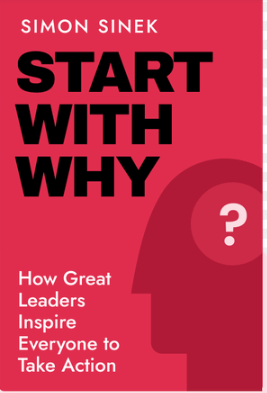
This principle is just as relevant in architecture, design, and real estate development as it is in business. Some of the best architects I’ve had the pleasure of working with on various development projects—Michael Graves Architects, Robert Stern, Bjarke Ingels, LAVA, Rockwell, Zaha Hadid—all understood this deeply. At their heart, they were more than just brilliant designers—they were great storytellers.
Rather than starting a presentation with technical details or an overview of the design, they knew how to craft and communicate a compelling narrative—one that laid the foundation for the design solution. They didn’t just show renderings; they told stories about why the design mattered, how it responded to history, culture, and human experience, and what emotions it was meant to evoke. That ability to connect through story made their work not just functional, but meaningful.
But beyond selling an idea, a strong narrative becomes one of the most powerful tools for making design decisions. From master planning to building design to material selections, the story behind a project acts as a litmus test—guiding choices and ensuring that every decision aligns with the broader vision. When facing a design crossroads, asking “Does this choice support the story we are telling?” helps to eliminate arbitrary decisions and keep the project focused and cohesive.
Lesson for Professionals: People engage with places, brands, and designs when they tell a compelling story. Whether it’s a residential development or a cultural district, the power lies in how the story is woven into the experience.
4. Exploration Leads to Discovery
Harold doesn’t start his journey with a detailed plan. Instead, he sets off into the unknown, experimenting and adjusting as he goes. He doesn’t fear making a mistake because he trusts that he can adapt—whether by drawing a boat when he finds himself in an ocean or sketching a staircase to climb out of trouble. His willingness to explore is what ultimately leads him home.
For professionals in design management, real estate development, and community planning, this idea is invaluable. Often, the best solutions come not from rigid, pre-determined plans but from iterative exploration, testing, and refinement. The best projects don’t emerge in isolation—they are built on research, benchmarking, and learning from existing examples. Before designing something new, it’s essential to study what has worked (and what hasn’t) elsewhere.
I learned this firsthand when I was a summer intern with Disney Development between my two years of my MBA program. One of my key tasks was to visit and study some of the most cherished towns and villages in the Southeastern United States. Armed with a camera, sketchbook, and a measuring tape, I captured everything—street widths, house setbacks, porch depths and heights, cornice details, window and door trim. This research, gathered from visits to over 30 historic places, became part of the DNA of the residential architectural design character for Celebration, FL.

Lesson for Professionals: The best solutions emerge through curiosity, research, and benchmarking. Before making major design decisions, study comparable projects, analyze what made them successful (or unsuccessful), and use that insight to create something better.
5. Intuition is a Valid Decision-Making Tool
Harold doesn’t have a map or a strict plan. He trusts his instincts to create what he needs in the moment. Instead of hesitating or overanalyzing, he simply moves forward, adapting as necessary. This kind of intuitive decision-making is often undervalued in professional settings, yet it plays a crucial role in design, development, and leadership.
The ability to make sound decisions based on intuition isn’t about guesswork—it’s about crystallized intelligence, a concept highlighted in From Strength to Strength by Arthur C. Brooks. Unlike fluid intelligence (which relies on rapid problem-solving and declines with age), crystallized intelligence is built over time through accumulated experiences, both good and bad. It allows seasoned professionals to see patterns, recognize solutions quickly, and make well-informed decisions without requiring exhaustive analysis.

This connects to another powerful idea, “thin slicing”, a term popularized by Malcolm Gladwell in Blink. Thin slicing is the ability to make accurate judgments based on very limited information. It’s what allows an experienced architect to immediately sense when a design isn’t working, or a developer to instinctively know whether a site has potential. This ability isn’t innate—it’s developed through years of exposure, learning from mistakes, and refining one’s judgment over time.
Lesson for Professionals: Sometimes, trusting your gut instincts is appropriate. When facing a complex decision, data and analysis are crucial, but so is experience-driven intuition. The more time spent immersed in a field, the stronger this instinct becomes.
Conclusion: Constraints, Storytelling, and Experience Shape Great Outcomes
Harold’s purple crayon is more than just a magical tool—it symbolizes vision, adaptability, and the ability to shape reality. His journey teaches us that constraints fuel creativity, simplicity leads to clarity, stories provide direction, exploration uncovers insights, and experience refines intuition. These same principles guide design management, community development, and real estate development, where professionals must navigate challenges, tell compelling stories, and make decisions that shape the built environment.
The best projects aren’t born from blank slates and unlimited resources—they come from working within constraints to find meaningful solutions. The most beloved places weren’t designed in isolation—they emerged from benchmarking, research, and the study of what makes communities thrive. The strongest design decisions aren’t always made from a spreadsheet—they’re often guided by crystallized intelligence and intuition, honed through years of experience.
By embracing challenges, simplifying complexity, grounding decisions in a compelling narrative, remaining open to discovery, and trusting hard-earned instincts, we can create places, buildings, and experiences that are not just functional, but truly meaningful.
So, pick up your metaphorical crayon and start drawing your own success story—one defined not by limitations, but by the opportunities they reveal.


Leave a Reply