• The executioner’s blade gleamed in the morning sun. The gathered townspeople whispered, their eyes fixed on the condemned man. The magistrate had spoken—this man must die for his crime. The blade swung down… and shattered on his neck as if striking solid steel.
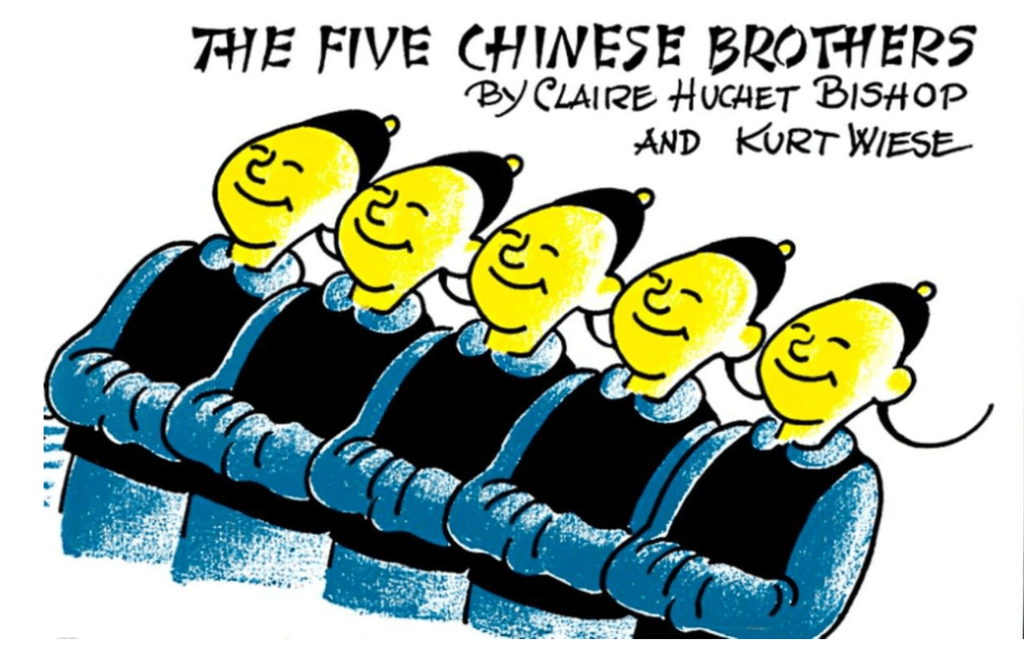
    The magistrate, baffled but undeterred, ordered a new execution method for the next day. But when they tried to drown him, he would not sink. When they burned him, the flames did no harm. When they buried him alive, he simply did not breathe. No matter what punishment they devised, he survived.

    By the end of the week, the authorities had no choice but to release him. What they never realized was that it hadn’t been just one man—it had been five.

    Each night before the execution, one brother secretly swapped places with another, using his unique ability to survive:

    • The first brother could swallow the sea.
    • The second brother had an unbreakable iron neck.
    • The third brother could stretch his legs infinitely.
    • The fourth brother was fireproof.
    • The fifth brother could hold his breath indefinitely.

    By leveraging their individual strengths, the brothers outmaneuvered their captors, proving that intelligence and adaptability triumph over brute force.

    The Five Chinese Brothers written by Claire Huchet Bishop and illustrated by Kurt Wiese, is a retelling of a centuries old Chinese folk tale, the Ten Brothers.  While written nearly a century ago, the books lessons are surprisingly relevant—especially in design management, community development, and real estate development, where problem-solving, strategy, and resilience determine success.

    Lessons from the Five Chinese Brothers

    The brothers’ survival wasn’t about fighting harder—it was about fighting smarter. Here are five key takeaways from their story and how they apply to modern professionals.

    1.Leverage Individual Strengths for Collective Success

    Each brother had a unique ability, but alone, none could have escaped. Their success depended on recognizing when to step forward and when to step back.

    Application: In real estate development, no single person can simultaneously oversee architecture, finance, legal matters, and construction. The most successful firms thrive by aligning the right talent to the right task—whether that means engaging an environmental consultant for sustainable design, a market analyst to refine a sales strategy, or a legal expert to navigate complex entitlements.

    While generalists play a critical role in keeping projects moving forward, ensuring coordination across disciplines, and maintaining a broad strategic vision, the inclusion of specialists is equally essential. Specialists bring deep expertise, experience, and nuanced problem-solving abilities that can elevate a project beyond what a generalist alone could achieve. Their insights can lead to cost savings, risk mitigation, and innovative solutions that might otherwise be overlooked.

    Striking the right balance between generalists and specialists allows a team to be both adaptable and precise—ensuring that big-picture objectives are met while leveraging specialized knowledge to navigate complex challenges effectively.

    2. Adapt When the Rules Change

    Each night, the brothers anticipated the magistrate’s next move and adjusted their strategy accordingly. They never fought the system head-on; they worked around it.

    Application: In community development, unexpected zoning restrictions or public opposition can stall a project. A rigid, uncompromising approach often leads to failure, while a flexible strategy—such as adjusting project features to align with community concerns—can pave the way for approval. Adaptability is often the deciding factor between progress and rejection.

    However, it’s crucial to strike a balance. While compromise can be a powerful tool for overcoming resistance, giving up too much can dilute a project’s vision, undermine its financial viability, or create long-term challenges. Knowing where to adjust and where to stand firm is essential.

    As my mom used to say, “It’s okay to be open-minded, but not so open-minded that your brain falls out.”

    This wisdom applies directly to development—being receptive to feedback and willing to adapt is important, but a successful developer must also recognize when to hold the line to preserve the integrity and success of a project.

    3. Outmaneuver Problems Instead of Confronting Them Directly

    The brothers never argued their innocence; they demonstrated their invincibility. Instead of resisting execution, they rendered it impossible.

    Application: In design management, when budgets are cut mid-project, the best response isn’t to fight for more funding—it’s to redesign smarter. By using alternative materials, simplifying construction methods, or refining the scope, designers can still achieve exceptional results within new constraints.

    House built by Saussy Burbank Builders facing onto Elbow Park in Nexton

    While working on Nexton in Summerville, South Carolina, we faced the challenge of delivering high-quality architectural design in what was then a moderately priced housing market. To navigate this, we collaborated closely with homebuilders to understand their constraints—both financial and operational. Together, we developed design strategies and selected construction methods and materials that enabled the creation of visually appealing homes while staying within budget.

    The result was a thriving community that not only won numerous regional and national design awards but also became one of the best-selling master-planned communities in the United States.

    4. Perseverance Leads to Victory

    The magistrate tried five different executions, but the brothers endured until the system itself conceded. Their perseverance, rather than brute strength, ultimately won their freedom.

    Application: In real estate development, navigating land acquisition, financing, and regulatory approvals can take years. The most successful developers aren’t necessarily those with the most resources but those who persist through setbacks—adapting their approach while staying true to their vision.

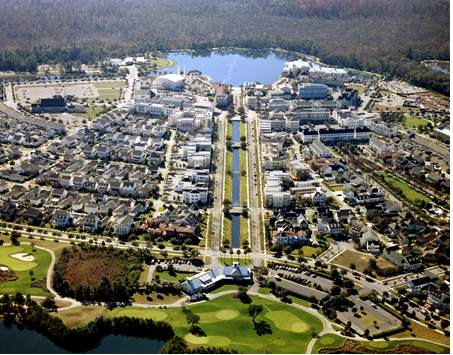
    Aerial View of I’On

    This was exemplified in the development of I’On in Mount Pleasant, South Carolina. Thanks to the perseverance of the Graham family (Tom, Vince, and Geoff), The I’On Company was able to create one of the finest communities in South Carolina and, arguably, the United States. To honor this dedication, we named one of the streets in I’On “Perseverance.”

    5. Creativity is a Competitive Advantage

    The brothers didn’t resist in predictable ways—they used intelligence and unconventional tactics to escape. They thought beyond the obvious, which is often the key to success.

    Application: In real estate, environmental concerns can derail a project. Instead of forcing a development through, innovative developers integrate nature into the design—elevating buildings on stilts, using reclaimed materials, or incorporating eco-tourism experiences. By thinking differently, obstacles become opportunities.

    At Bundoran Farm in Albemarle County, Virginia—an area known for its challenging entitlement process—we worked closely with environmental groups and the agricultural community to develop a land-use strategy that not only significantly increased the property’s value but also addressed the concerns of these critical stakeholders.

    This was achieved through a master plan that introduced a series of farm belt and greenbelt easements, protecting the property’s agrarian character while preserving a substantial portion of its agricultural and silvicultural activities.

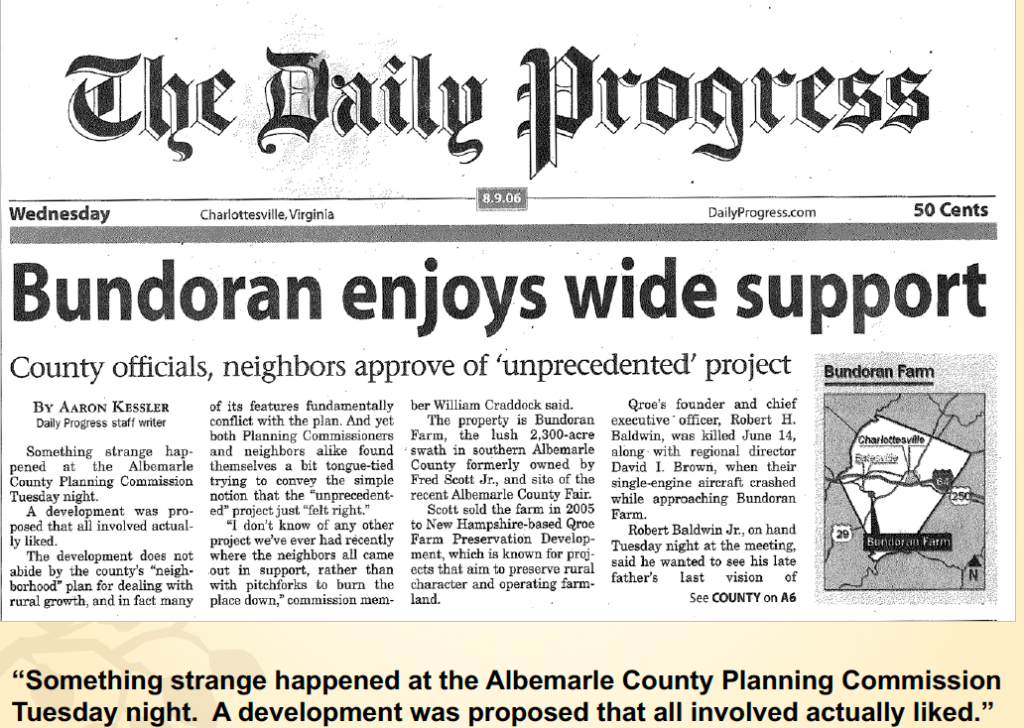
    Perhaps my favorite newspaper article of all time was published the day after our public hearing with the Albemarle County Planning Commission. The Daily Progress ran the headline: “Bundoran Enjoys Wide Support,” with an opening line that read: “Something strange happened at the Albemarle County Planning Commission Tuesday night. A development was proposed that all involved actually liked.”
    The Final Escape: A Lesson for Professionals

    The Five Chinese Brothers didn’t win by force or luck. They won by:

    • Understanding strengths and using them strategically.
    • Adapting to challenges instead of resisting them.
    • Thinking beyond conventional solutions.
    • Persisting even when success seemed impossible.
    • Leveraging creativity as their ultimate advantage.

    In business, leadership, and development, those who outthink their challenges—not just outwork them—are the ones who thrive.

    So, next time you’re facing a complex problem, ask yourself: Are you pushing against the obstacle, or are you stepping back and finding a smarter way through?
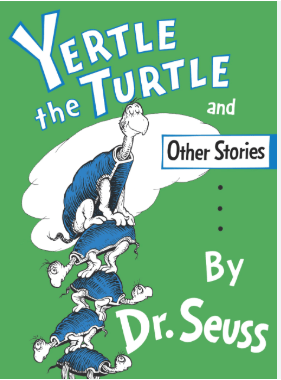
  • What happens when a leader prioritizes power over people? What are the consequences of ignoring those who hold up the foundation of success? These are not just theoretical questions—they are at the heart of Dr. Seuss’s Yertle the Turtle, a deceptively simple story with profound implications for leadership, community development, and sustainable growth.

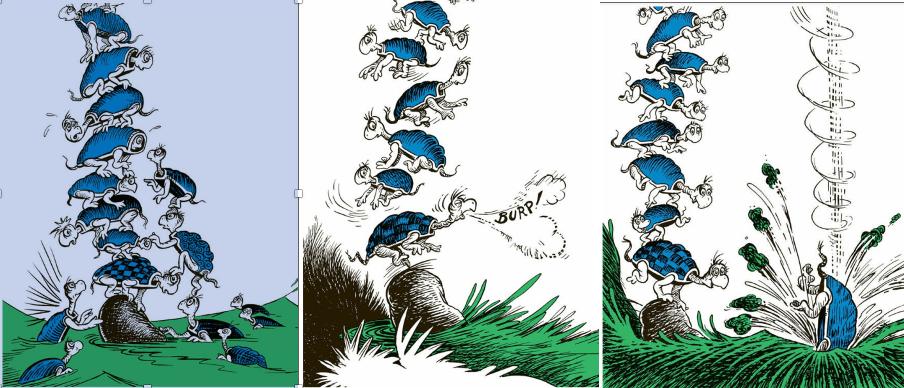
    In this classic tale, Yertle, the self-proclaimed king of the pond, decides that his current position isn’t grand enough. He demands that his fellow turtles stack themselves beneath him so he can climb higher and expand his kingdom. As his ambitions grow, so does the tower of turtles, each one struggling under the weight of his demands. At the very bottom, a humble turtle named Mack protests, warning that the system is becoming unstable. But Yertle dismisses his concerns, ordering even more turtles to join the pile.

    Then, in a moment of poetic irony, Mack lets out a simple burp. The entire stack collapses, and Yertle falls from his lofty perch, landing face-first in the mud. His rule is over, not because of an external threat, but because of his own reckless ambition and disregard for those supporting him.

    The Rise and Fall of Yertle the Turtle

    The rise and fall of Yertle the Turtle serve as a cautionary tale for anyone who leads teams or builds businesses. It highlights the dangers of unchecked ego, the importance of listening to those on the ground, and the need to build success on a solid, sustainable foundation.

    Five Key Takeaways for Professionals

    1. The Foundations of Leadership Matter

    A leader is only as strong as the foundation supporting them. Yertle failed because he saw his subjects as tools rather than stakeholders. He built an unstable system focused solely on his own elevation rather than the well-being of the collective.

    Example: In any large-scale development project, if leadership ignores the needs of architects, designers, and engineers in favor of fast-tracked deadlines and cost-cutting, the final product will suffer. Successful design and development leaders ensure their creative teams have the resources, time, and structure necessary to do their best work.

    2. Listen to Those on the Ground

    Mack, the turtle at the bottom of the stack, tried to warn Yertle about the risks of his ambition. Leaders who ignore feedback from those doing the work put their entire operation at risk.

    Example: Suppose a developer is planning a new residential community. If local residents express concerns about traffic congestion, environmental impact, or access to amenities, dismissing their input could lead to opposition, lawsuits, or even project failure. Engaging the community early and often can prevent avoidable issues and build goodwill.

    3. Ambition Without Limits Leads to Ruin

    Yertle’s hunger for power was insatiable. Instead of being satisfied with a healthy, functional kingdom, he kept pushing for more—until everything collapsed. Sustainable success comes from growth that is strategic and responsible, not reckless expansion.

    Example: A company that aggressively acquires land and rushes to build high-end properties without considering long-term market demand may find itself overextended. A developer who balances ambition with careful planning, market research, and economic sustainability is more likely to thrive.

    4. Humility and Ego Control Are Crucial

    Yertle’s downfall was rooted in his unchecked ego. He saw himself as infallible and refused to acknowledge the contributions of those below him. Leaders who embrace humility and recognize that success is a collective effort are far more effective than those who operate with arrogance.

    Example: A leader who credits their team for a successful project fosters trust and collaboration. In contrast, a leader who takes sole credit will struggle to retain top talent and inspire creativity. The best leaders understand that their role is to empower, not overshadow.

    5. Sustainability Over Short-Term Gains

    Yertle’s rule was built on an unstable and exploitative foundation. His short-term success was doomed because it disregarded the well-being of those sustaining it.

    Example: A master-planned community that prioritizes quick sales over long-term livability—by neglecting green spaces, infrastructure, or public services—may attract buyers initially but will struggle with long-term value retention. Sustainable, thoughtful development leads to communities that grow and thrive for generations.

    Final Thoughts: Building Success That Lasts

    Yertle’s downfall was entirely preventable. Had he valued those who supported him, listened to their concerns, and exercised humility in his leadership, he might have built something truly enduring instead of a fragile stack destined to crumble. His failure is a classic example of what happens when leaders prioritize their own status and short-term gains over the well-being of those they lead and long-term value creation.

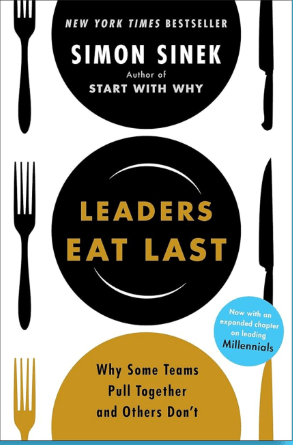
    This theme aligns closely with the principles in Leaders Eat Last by Simon Sinek, where he argues that great leaders create environments of trust and safety. Sinek emphasizes that when leaders put their people first—protecting, empowering, and listening to them—organizations thrive. In contrast, when leaders, like Yertle, focus only on personal gain, they create instability that ultimately leads to collapse.

    The most successful leaders understand that true power comes not from towering over others but from lifting them up. Sustainable growth is achieved not through reckless expansion but through thoughtful, inclusive, and balanced decision-making.

    We’ve all seen examples of “Yertles” in professional settings—leaders who chase prestige at the expense of their teams or developers who prioritize quick profits over long-term community well-being. But we’ve also seen “Macks”—those who speak up, challenge unsustainable practices, and help prevent disaster.

    The best leaders, as Sinek highlights, serve those they lead. They take responsibility for the people under them rather than using them as stepping stones. If we apply these principles in our work—whether leading a design team, developing a new community, or shaping a real estate project—we can build structures that are not just impressive but enduring.

    So, the question remains: Are you leading like Yertle, focused only on climbing higher? Or are you leading like a true steward, ensuring that everyone in your organization or project has the support they need to succeed? Let’s take these lessons from Yertle the Turtle and Leaders Eat Last to heart, creating workplaces and communities where success is built on trust, sustainability, and service.

  • Introduction

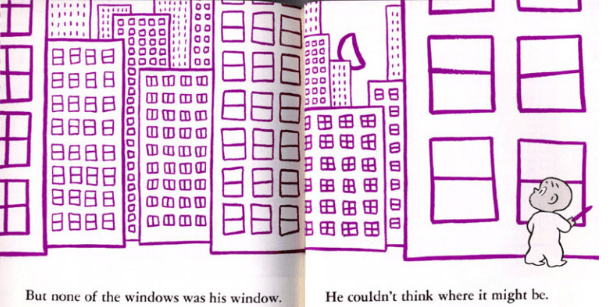
    Harold was lost. The city he had drawn—once full of possibilities—had become overwhelming. Windows stacked upon windows, streets tangled into confusion, and no matter which way he turned, he couldn’t find his way home. For a moment, it seemed as if his own creation had swallowed him whole.

    Then, he remembered the moon. The one constant in his adventure, always present outside his bedroom window. He drew a window, placed the moon outside, and suddenly, everything clicked. With a few final strokes of his crayon, he found his way back to bed and drifted to sleep.

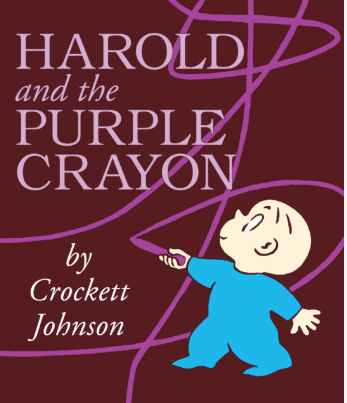
    At its core, Crockett Johnson’s Harold and the Purple Crayon isn’t just a whimsical children’s book—it’s a profound lesson in vision, problem-solving, and the power of creation. Harold’s journey is a masterclass in navigating uncertainty, shaping reality through intent, and knowing when to simplify. These lessons resonate deeply with professionals in design management, community development, and real estate development, where creating, adapting, and leading through complexity is part of the job.

    Here are five key takeaways that extend beyond the pages of Harold’s adventure and into the real-world challenges of shaping spaces, experiences, and communities.

    1. Constraints Aren’t Limitations—They’re the Framework for Innovation

    Harold can only draw with one crayon and one color, yet he creates an entire world. His limitation doesn’t stifle creativity; it fuels it. For design professionals, architects, and developers, constraints aren’t roadblocks—they are the very things that shape truly creative solutions.

    I’ve always admired the mindset of John Reagan, an architect I deeply respect, who once shared his perspective on working with site constraints. He told me:

    “I always appreciated and looked forward to projects with challenging site conditions. Anyone can design a house on a flat, rectangular site. But when I have to work around difficult topography, existing easements, or zoning restrictions—that’s when I get to show what a good designer I truly am. That’s when I can create incremental value for my clients.”


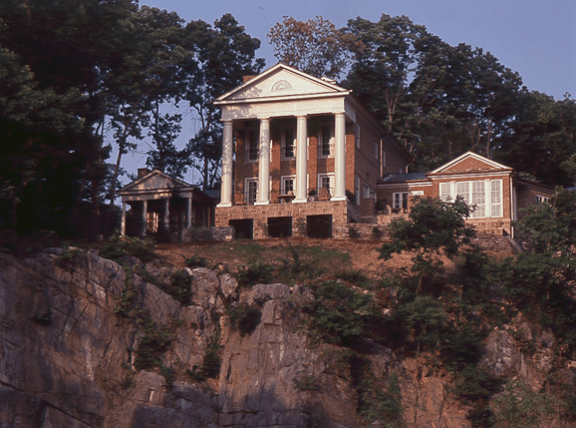
    Southern Accents Showhouse, Hot Springs, Virginia by Reagan Purcell Architects

    That kind of attitude—embracing challenges rather than resisting them—separates good designers from great ones. The best architects, planners, and developers see constraints not as problems, but as opportunities to innovate, push boundaries, and create something better than what might have been possible under ideal conditions. A site’s quirks can become its greatest strengths if approached with the right mindset.

    The reality is, nothing is more daunting than a blank slate—whether it’s an empty sheet of paper, a perfectly flat and unencumbered development parcel, or an unlimited budget. Without parameters, decision-making becomes overwhelming, and designs risk becoming unfocused or indulgent. True innovation emerges from limitations—working within site conditions, historical context, budgetary restrictions, or community needs forces teams to think critically and creatively.

    Lesson for Professionals: Whether it’s budget constraints, zoning regulations, or material shortages, professionals must learn that constraints drive smarter, more innovative solutions rather than limiting possibilities.

    2. Over-Engineering Can Lead to Chaos

    At one point, Harold keeps drawing roads, windows, and buildings, creating a chaotic cityscape. He realizes he’s lost in his own creation and needs to simplify to find his way home. This is a lesson many design professionals, developers, and planners have to learn—the hard way.

    The KISS principle—Keep It Simple, Stupid—is one of the most essential yet difficult concepts to master in design and development. Complexity often leads to chaos, confusion, and failure, while clarity and simplicity require a keen understanding of the problem. It’s much easier to pile on layers of features, grand ideas, and intricate details than it is to boil something down to its essence and find a truly meaningful solution.

    One of the greatest design lessons I was ever taught came during my undergraduate years at the University of Virginia’s School of Architecture. My design studio teaching assistant, Jeff Bushman, once looked over an in-progress design on my drafting board, shook his head, and told me I was making things way too complex—muddled and confusing. Then he offered these words of wisdom:

    “Joe, Dare to be Boring.”

    At the time, it stung. But over the years, I came to understand exactly what he meant. Simplicity isn’t about making something dull—it’s about removing the unnecessary, focusing on what truly matters, and trusting that clarity is more powerful than complexity. It’s a philosophy I still live by.

    Lesson for Professionals: Overcomplicating a project—whether through excessive design features, unnecessary amenities, or bloated processes—can distract from the core goal. Simplicity and clarity should always guide decision-making.

    3. Narrative Matters—People Buy Into Stories, Not Just Products

    Harold’s adventure isn’t random—each action has a narrative thread leading him forward. His journey isn’t just about drawing things; it’s about crafting a world that makes sense to him. The same holds true in design, development, and business. People don’t just buy a product, a building, or a community—they buy into the story behind it.

    Simon Sinek captures this idea perfectly:

    “People don’t buy what you do, they buy why you do it.”

    This principle is just as relevant in architecture, design, and real estate development as it is in business. Some of the best architects I’ve had the pleasure of working with on various development projects—Michael Graves Architects, Robert Stern, Bjarke Ingels, LAVA, Rockwell, Zaha Hadid—all understood this deeply. At their heart, they were more than just brilliant designers—they were great storytellers.

    Rather than starting a presentation with technical details or an overview of the design, they knew how to craft and communicate a compelling narrative—one that laid the foundation for the design solution. They didn’t just show renderings; they told stories about why the design mattered, how it responded to history, culture, and human experience, and what emotions it was meant to evoke. That ability to connect through story made their work not just functional, but meaningful.

    But beyond selling an idea, a strong narrative becomes one of the most powerful tools for making design decisions. From master planning to building design to material selections, the story behind a project acts as a litmus test—guiding choices and ensuring that every decision aligns with the broader vision. When facing a design crossroads, asking “Does this choice support the story we are telling?” helps to eliminate arbitrary decisions and keep the project focused and cohesive.

    Lesson for Professionals: People engage with places, brands, and designs when they tell a compelling story. Whether it’s a residential development or a cultural district, the power lies in how the story is woven into the experience.

    4.  Exploration Leads to Discovery

    Harold doesn’t start his journey with a detailed plan. Instead, he sets off into the unknown, experimenting and adjusting as he goes. He doesn’t fear making a mistake because he trusts that he can adapt—whether by drawing a boat when he finds himself in an ocean or sketching a staircase to climb out of trouble. His willingness to explore is what ultimately leads him home.

    For professionals in design management, real estate development, and community planning, this idea is invaluable. Often, the best solutions come not from rigid, pre-determined plans but from iterative exploration, testing, and refinement. The best projects don’t emerge in isolation—they are built on research, benchmarking, and learning from existing examples. Before designing something new, it’s essential to study what has worked (and what hasn’t) elsewhere.

    I learned this firsthand when I was a summer intern with Disney Development between my two years of my MBA program. One of my key tasks was to visit and study some of the most cherished towns and villages in the Southeastern United States. Armed with a camera, sketchbook, and a measuring tape, I captured everything—street widths, house setbacks, porch depths and heights, cornice details, window and door trim. This research, gathered from visits to over 30 historic places, became part of the DNA of the residential architectural design character for Celebration, FL.

    Craven Street in Beaufort, South Carolina was filled with wonderful urban and architectural design precedents.

    Lesson for Professionals: The best solutions emerge through curiosity, research, and benchmarking. Before making major design decisions, study comparable projects, analyze what made them successful (or unsuccessful), and use that insight to create something better.

    5. Intuition is a Valid Decision-Making Tool

    Harold doesn’t have a map or a strict plan. He trusts his instincts to create what he needs in the moment. Instead of hesitating or overanalyzing, he simply moves forward, adapting as necessary. This kind of intuitive decision-making is often undervalued in professional settings, yet it plays a crucial role in design, development, and leadership.

    The ability to make sound decisions based on intuition isn’t about guesswork—it’s about crystallized intelligence, a concept highlighted in From Strength to Strength by Arthur C. Brooks. Unlike fluid intelligence (which relies on rapid problem-solving and declines with age), crystallized intelligence is built over time through accumulated experiences, both good and bad. It allows seasoned professionals to see patterns, recognize solutions quickly, and make well-informed decisions without requiring exhaustive analysis.

    This connects to another powerful idea, “thin slicing”, a term popularized by Malcolm Gladwell in Blink. Thin slicing is the ability to make accurate judgments based on very limited information. It’s what allows an experienced architect to immediately sense when a design isn’t working, or a developer to instinctively know whether a site has potential. This ability isn’t innate—it’s developed through years of exposure, learning from mistakes, and refining one’s judgment over time.

    Lesson for Professionals: Sometimes, trusting your gut instincts is appropriate. When facing a complex decision, data and analysis are crucial, but so is experience-driven intuition. The more time spent immersed in a field, the stronger this instinct becomes.

    Conclusion: Constraints, Storytelling, and Experience Shape Great Outcomes

    Harold’s purple crayon is more than just a magical tool—it symbolizes vision, adaptability, and the ability to shape reality. His journey teaches us that constraints fuel creativity, simplicity leads to clarity, stories provide direction, exploration uncovers insights, and experience refines intuition. These same principles guide design management, community development, and real estate development, where professionals must navigate challenges, tell compelling stories, and make decisions that shape the built environment.

    The best projects aren’t born from blank slates and unlimited resources—they come from working within constraints to find meaningful solutions. The most beloved places weren’t designed in isolation—they emerged from benchmarking, research, and the study of what makes communities thrive. The strongest design decisions aren’t always made from a spreadsheet—they’re often guided by crystallized intelligence and intuition, honed through years of experience.

    By embracing challenges, simplifying complexity, grounding decisions in a compelling narrative, remaining open to discovery, and trusting hard-earned instincts, we can create places, buildings, and experiences that are not just functional, but truly meaningful.

    So, pick up your metaphorical crayon and start drawing your own success story—one defined not by limitations, but by the opportunities they reveal.

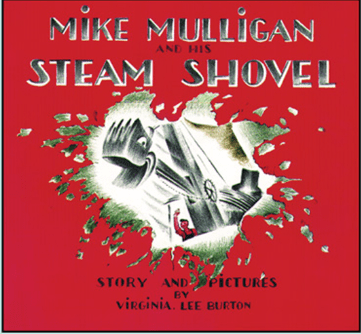
  • The Story of Mike Mulligan and His Steam Shovel

    Virginia Lee Burton tells the story of a man and his beloved steam shovel, Mary Anne, who find themselves on the brink of obsolescence in the face of modern technology. Mike and Mary Anne had once been celebrated for their work, digging canals, roads, and skyscraper foundations. But as newer, more advanced machines emerged, their services were no longer in demand.

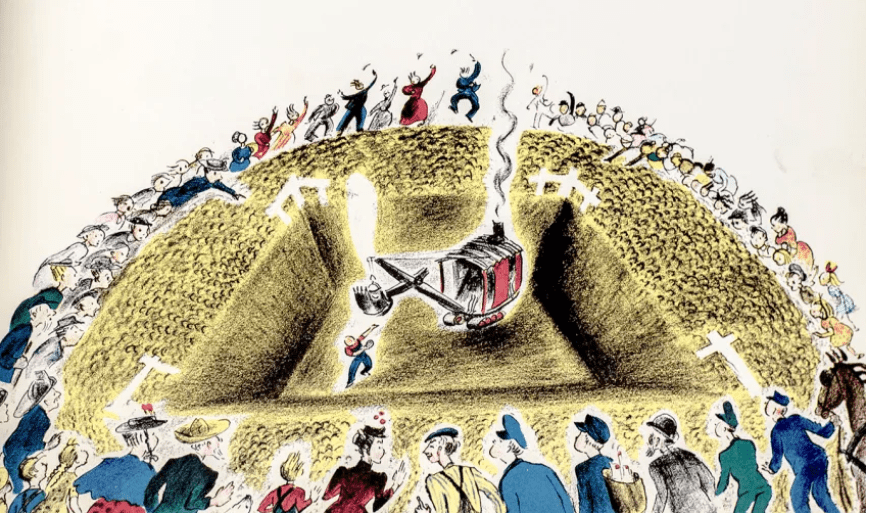
    Determined to prove their worth, Mike and Mary Anne travel to the small town of Popperville, where they offer to dig the foundation for a new town hall. They promise to complete the job in just one day—a bold claim. As townspeople gather to watch, Mike and Mary Anne work tirelessly, digging faster and faster, fueled by determination and pride in their craft. True to their word, they finish the job just as the sun sets. However, in their enthusiasm, they fail to leave an exit path for Mary Anne, trapping her in the foundation.

    Rather than seeing this as a mistake, the townspeople embrace it as an opportunity. Mary Anne is repurposed into the town hall’s heating system, ensuring she remains useful in a new way. Mike, rather than mourning the end of his career as a steam shovel operator, transitions to a new role as the building’s caretaker, proving that adaptability and resourcefulness can turn setbacks into successes.

    5 Key Takeaways from Mike Mulligan and His Steam Shovel

    This charming children’s book is more than a nostalgic tale—it’s a powerful allegory for professionals in design management, community development, and real estate development. Here are five key lessons from Mike Mulligan and His Steam Shovel that remain deeply relevant today:

    1. Adaptability is Key to Long-Term Success

    Mike and Mary Anne faced a harsh reality: the world was changing, and their traditional skills were becoming obsolete. Rather than giving up, they found a way to showcase their value in a different setting, ultimately transitioning into new roles.

    Example: Developers often face market shifts—trends change, economic conditions fluctuate, and consumer demands evolve. A project that was once viable might no longer be relevant. Successful developers recognize these shifts early and pivot accordingly. For instance, when demand for retail spaces declined in urban centers, many developers reimagined those properties as mixed-use developments, incorporating co-working spaces, residential units, and community hubs to stay relevant.

    2. Bold Commitments Can Inspire Action

    Mike’s promise to complete the job in one day was audacious, but it created excitement, drew attention, and mobilized the community. Bold goals, when backed by genuine capability, can be a powerful catalyst for engagement and success.

    Example: When leading large-scale design initiatives, setting ambitious but achievable goals can be a game-changer. Suppose a design team working on a new luxury resort commits to unveiling a fully developed concept in a remarkably short timeframe. If the team is well-coordinated and motivated, this challenge can drive efficiency, innovation, and collaboration, rallying both stakeholders and creatives around a shared objective.

    3. Community Engagement Drives Buy-In and Support

    Mike and Mary Anne’s work became a spectacle—the entire town gathered to watch them dig, turning their project into a shared experience. This engagement ultimately led to the town embracing their presence and finding a creative way to keep them in the community.

    Example: Public buy-in is crucial for the success of any development project. In revitalizing a historic downtown, for instance, involving residents in design charrettes, gathering input on preferred amenities, and hosting interactive town hall meetings can turn skeptics into advocates. When people feel like they have a voice in shaping their environment, they become invested in the project’s success rather than opposing it.

    4. Resourcefulness Can Turn Setbacks into Opportunities

    Getting stuck in the foundation could have been a disaster, but instead, it led to an innovative solution—transforming Mary Anne into a heating system and giving Mike a new role. The ability to reframe setbacks as opportunities is invaluable.

    Example: Consider a scenario where a planned residential development faces zoning challenges that prevent high-density housing. Instead of abandoning the project, a resourceful team might pivot to a low-density, eco-friendly community model, incorporating green spaces and sustainable design principles. This shift could not only resolve the zoning conflict but also create a unique selling point that enhances market appeal.

    5. Legacy Matters More Than Just the Next Project

    Mike and Mary Anne’s final job didn’t just prove their capabilities—it secured their legacy. Their story became part of the town’s identity, ensuring they would be remembered for generations.

    Example: Developers and planners who think beyond short-term profit and focus on creating enduring, high-quality environments leave a lasting impact. A well-designed, walkable community with thoughtfully integrated green spaces, cultural institutions, and public gathering areas becomes more than just real estate—it becomes a cherished part of people’s lives. Those who prioritize long-term vision over immediate gain contribute to something greater than themselves.


    Final Thoughts

    Mike Mulligan and His Steam Shovel may be a children’s book, but its lessons resonate far beyond the pages of a bedtime story. Adaptability, bold thinking, community engagement, resourcefulness, and legacy-building are principles that guide the most successful professionals in design management, community development, and real estate development.

    Whether you’re designing a new resort, revitalizing a neighborhood, or leading a major development project, take a page from the story of Mike Mulligan and His Steam Shovel —embrace change, rally people around a compelling vision, and find ways to leave a lasting impact. Because, in the end, it’s not just about what you build—it’s about the legacy you leave behind.

  • Not every success story starts with recognition. Sometimes, it begins with struggle, rejection, and a sense of not belonging. The Ugly Duckling, one of Hans Christian Andersen’s most famous tales, follows a young bird that is cast aside because he looks different. No matter where he turns, he is reminded that he doesn’t fit in.

    Forced to wander alone, he faces hardship but keeps moving forward, searching for where he truly belongs. As time passes, he transforms—not because he changes who he is, but because he grows into what he was meant to become. When he finally encounters swans, he realizes he is one of them. The qualities that once made him an outcast were, in fact, signs of his true nature.

    This story holds lessons far beyond childhood. In professional settings, people, ideas, and projects often face skepticism before their value is fully realized. For those in design management, real estate development, and community planning, The Ugly Duckling offers insights into resilience, vision, and the power of transformation.

    1. Embracing Long-Term Vision Over Immediate Appearances

    Lesson: True potential is not always immediately visible. Initial struggles or misalignment with conventional expectations don’t define future success.

    Example: When revitalizing a neglected neighborhood or redeveloping an old property, it’s easy to focus on its current state—dilapidated, undervalued, and seemingly without promise. But a visionary developer sees beyond that. Many thriving urban districts today, such as New York’s Meatpacking District or London’s Shoreditch, were once written off as undesirable. With patience and strategic investment, they became vibrant hubs of culture and commerce.

    New York’s Meatpacking District – Before and After

    2. The Importance of Resilience in the Face of Rejection

    Lesson: Early rejection or failure doesn’t mean defeat—it’s often a sign that you’re in the wrong environment.

    Example: A designer may propose an innovative concept that gets rejected multiple times because it challenges traditional norms. However, with persistence and belief in the idea, that concept may later become a groundbreaking success. Apple’s original iPhone design faced skepticism within the industry, yet it redefined mobile technology. In managing design teams, encouraging resilience and iteration leads to creative breakthroughs that redefine industries.

    3. Finding the Right Environment is Key to Success

    Lesson: The ugly duckling wasn’t inherently flawed—he was just in the wrong place. Finding the right environment can unlock potential.

    Example: Some neighborhoods struggle not because the people or places are inadequate, but because the right support structures aren’t in place. A thoughtful community developer recognizes this and works to introduce the right mix of infrastructure, public spaces, and economic opportunities. Look at the transformation of areas like Atlanta’s BeltLine—a former railway corridor turned into a thriving mixed-use development that brought communities together.

    Atlanta’s BeltLine

    4. Growth and Transformation Take Time

    Lesson: Just as the ugly duckling took seasons to become a swan, meaningful change—whether personal, professional, or within an industry—takes time and patience.

    Example Master-planned communities and large-scale mixed-use developments take years, sometimes decades, to reach their full potential. Consider Celebration, Florida—originally conceived by Disney as a model town.   Prior to its opening and initial sales launch, we received significant push back from “industry experts” who thought at the time controversial such as integrating various house sizes and price points into the same neighborhood was a recipe for failure. It took time for the community to establish itself, evolve, and fully embody its vision. Developers and planners must recognize that their work is not about quick wins but about fostering long-term value.

    Aerial View of Celebration Village

    5. Your Perceived Weaknesses May Be Your Greatest Strengths

    Lesson: What once made the duckling feel like an outsider—his unique features—was actually what made him exceptional.

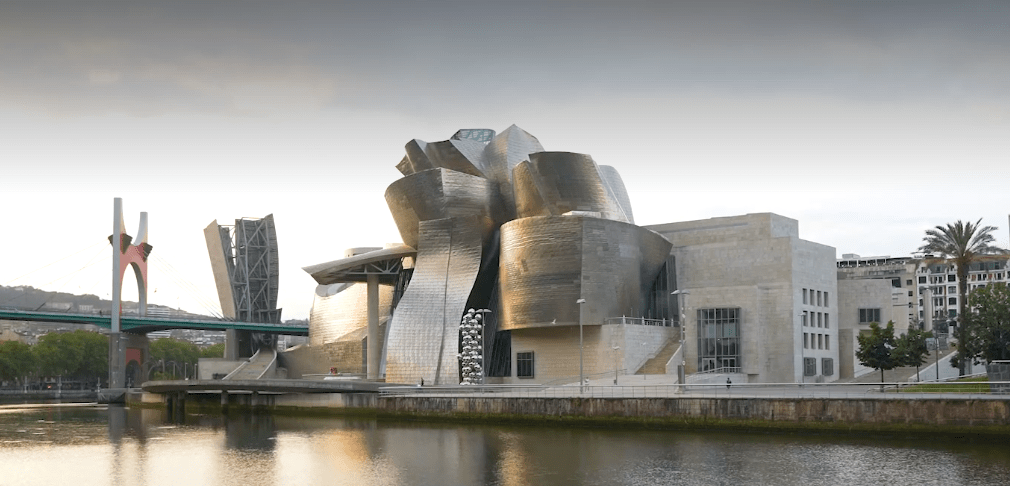
    Example: Innovative designs often begin as controversial ideas. Think about Frank Gehry’s architectural work—his unconventional, curvilinear buildings were initially criticized but are now celebrated as masterpieces. Encouraging designers to lean into their unique perspectives instead of conforming to the status quo leads to industry-defining work.

    Guggenheim – Bilbao by Frank Gehry

    Conclusion: Seeing Potential Where Others Do Not

    At its heart, The Ugly Duckling is about recognizing value that isn’t immediately obvious. In professional life, it’s easy to dismiss an idea that challenges the status quo, a neighborhood that seems too far gone, or a project that doesn’t fit traditional expectations. But true leaders in design, development, and community building see beyond the present.

    They understand that transformation takes time, that the right environment matters, and that what may seem like a disadvantage today could be the very thing that leads to success tomorrow. Whether guiding a team through creative challenges, shaping a long-term real estate vision, or reimagining how a community can thrive, the most impactful professionals are those who, like the swan in the story, recognize potential even when others don’t.

  • The Story of Stone Soup

    Once upon a time, in a small, war-torn village, the residents had become distrustful and selfish, hoarding what little food they had. One day, three weary travelers arrived, hungry and tired from their journey. They knocked on doors, asking for food, but each villager refused, claiming they had nothing to spare.

    Undeterred, the travelers decided to teach the village a lesson in generosity. They gathered in the town square, built a fire, and placed a large pot filled with water over it. Then, with great ceremony, they dropped a single stone into the pot. Curious, the villagers gathered around, asking what they were doing.

    “We’re making stone soup,” one traveler said. “It will be delicious, but it would taste even better with a few carrots.”

    A villager hesitated, then ran home and returned with some carrots. “Ah, wonderful!” the travelers exclaimed. “Stone soup is best with some potatoes too.”

    Another villager, intrigued, brought potatoes. One by one, the villagers contributed what little they had—cabbage, onions, herbs, and even a bit of meat. Soon, the pot was brimming with a rich and hearty soup, enough to feed everyone.

    The villagers shared a joyous meal together, realizing that by working together and pooling their resources, they had more than enough. From that day forward, they never went hungry again, having learned the power of generosity and community.


    5 Key Takeaways from Stone Soup

    While Stone Soup is a children’s story, its lessons hold profound value in professional and personal life. Here are five key takeaways with examples relevant to design management, community development, and real estate development industries.

    1. Collaboration Creates Abundance

    The villagers believed they had nothing to give, but by working together, they created a feast. In the workplace and personal relationships, collaboration leads to greater success than working in isolation.

    Example: Multiple stakeholders—architects, engineers, contractors, the public, and city officials—must collaborate to bring a project to fruition. A well-planned mixed-use development can succeed when these groups share insights and expertise rather than working in silos.

    2. Resourcefulness Overcomes Scarcity

    The travelers didn’t let scarcity stop them; instead, they used creativity to turn nothing into something. This mindset is crucial in business and life—finding solutions even when resources seem limited.

    Example: Repurposing vacant lots into green spaces,  community gardens, or pop-up markets can transform neglected areas into vibrant hubs without significant financial investment.

    3. Generosity Inspires More Generosity

    When one villager contributed, others followed. In leadership and friendships, generosity—whether of ideas, time, or support—encourages a culture of giving and trust.

    Example: A seasoned professional who mentors junior team members creates a culture of knowledge-sharing. As a result, those mentored individuals are more likely to contribute their expertise to future projects.

    4. Trust and Openness Foster Success

    The villagers were initially distrustful, but once they opened up, they benefited immensely. In any professional or personal setting, trust is the foundation of strong relationships and successful collaborations.

    Example: Public-private partnerships (PPPs) require trust between government agencies and private investors. When both parties are transparent about risks and goals, they create developments that benefit entire communities.

    5. Shared Success Strengthens Community

    By sharing the soup, the villagers strengthened their bonds and ensured a better future. Whether in a company, a neighborhood, or a family, shared achievements build lasting connections and collective well-being.

    Example: Developers who invest in community-building amenities—such as parks, social spaces, and local events—create places where residents feel connected, increasing property values and long-term success.

    Final Thoughts

    The story of Stone Soup reminds us that abundance is often just a shift in mindset away. In professional settings, we can accomplish more through teamwork, generosity, and creativity. In our personal lives, we thrive when we support and uplift those around us.

    So the next time you feel like you don’t have enough—whether it’s time, resources, or solutions—ask yourself: What stone can I start with? You might be surprised at what follows.

  • When I was a little kid, sitting in my pajamas watching Captain Kangaroo on our black-and-white TV, I had no idea that in between the antics of Mr. Moose, Bunny Rabbit, Mr. Green Jeans, and the Magic Drawing Board, I was absorbing some of the most valuable life and business lessons I would ever encounter.

    Sure, years later, I spent two years at the University of Virginia’s Darden School of Business, and I’ve had the privilege of collaborating with some of the world’s best design and development professionals for over three decades. But some of the most enduring wisdom—the kind that sticks with you, ready to pop up when you need it most—came from the Captain’s “Reading Stories” sessions.

    Books like Make Way for Ducklings, Stone Soup, Caps for Sale, and Mike Mulligan and His Steam Shovel may seem like simple children’s stories, but their messages run deep. They shape how we think, work, and lead. And if you’re facing a tough business challenge—whether it’s gaining public support for a new initiative, handling difficult people, staying positive in adversity, or turning a setback into an opportunity—you might find more insight in the children’s section of a bookstore than in the latest best-selling business book.

    In future post, I will provide some closer looks at some of these beloved classics and the powerful business lessons found within.

  • Every day, we make decisions—some small, others life-changing. Effective decision-making is the key to success, whether you’re choosing a strategic direction for your business, navigating a career shift, or weighing investment opportunities. But too often, decisions feel overwhelming, unclear, or paralyzing.

    That’s where a structured approach comes in. This 5-step framework is designed to help you make confident, well-informed decisions. Now, let’s bring it all together.

    The 5 Steps to Confident Decision-Making

    1. Define Your Goal, Vision, and Purpose: Before making any decision, you need to be clear on what you’re trying to achieve. Are you looking for long-term growth? A quick resolution? Alignment with company values? Defining your vision helps you measure options against what truly matters.
    2. Assess Your Current Situation and Constraints: Every decision is shaped by its context—available resources, time constraints, financial limitations, or external factors. Understanding these boundaries ensures that your choices are both practical and achievable.
    3. List and Evaluate Your Options: With your goal in mind and the constraints identified, it’s time to generate possible solutions. Avoid the trap of only considering the obvious choices—sometimes, the best decision comes from looking beyond conventional solutions.
    4. Perform a Multi-Criteria Analysis: Not all options are created equal. By evaluating choices based on multiple factors—cost, impact, feasibility, and alignment with your vision—you ensure that your decision is well-rounded rather than reactive.
    5. Select Your Preferred Option and Plan Next Steps:A decision is only as good as its execution. Once you’ve chosen a path, define the actions needed to move forward. What are the first steps? What resources will you need? Who needs to be involved? The clearer your next steps, the easier it is to implement your decision with confidence.

    Decision-Making as a Skill, Not a Struggle

    The beauty of this framework is that it’s adaptable. Whether you’re making high-stakes business decisions or personal choices, these steps bring clarity to complexity. More importantly, decision-making is a skill—one that improves with practice and structure.

  • After carefully analyzing your options through a structured multi-criteria analysis, you’ve reached the final and most crucial stage: making the decision and putting a plan into action.

    Deciding on the best course of action is not the finish line—it’s actually the starting point for turning an idea into reality. Without a clear implementation plan, even the best decisions can stall or fail. So, how do you confidently move from decision-making to execution?

    Let’s break it down into three key steps:

    1. Make the Decision

    After all the work you’ve done—defining objectives, listing options, weighing criteria, and analyzing data—it’s time to make the final call.

    Here’s how to solidify your decision:

    • Trust the Process – You’ve gone through a structured evaluation. Instead of second-guessing, have confidence in your systematic approach.
    • Revisit Your Priorities – Ensure your choice aligns with your original goal, whether it’s maximizing efficiency, increasing ROI, or personal satisfaction.
    • Seek Feedback (If Necessary) – If the decision affects multiple stakeholders, get their input to confirm alignment and prevent resistance down the line.
    • Commit Fully – Indecision or hesitation can slow down progress. Once a choice is made, shift your energy to execution.

    Many people struggle with decision fatigue—the fear of making the wrong choice. But remember: no decision is perfect. Instead of aiming for perfection, focus on clarity and commitment.

    2.Create an Action Plan

    A decision without execution is just an idea. To bring your decision to life, you need an actionable, structured plan. Here’s what an effective action plan should include:

    a. Key Steps & Milestones

    Break the decision into manageable tasks. What needs to happen first? What’s the sequence of events? For example, if your decision is to launch a new product, your milestones might include:

    –       Week 1-2: Stakeholder Engagement and Strategic Plan Development

    –       Week 3-4: Design Brief and RFP Development

    –       Week 5-9: Design Professional Recruitment/Procurement

    –       Week 10-16: Schematic Design Development

    Setting clear milestones ensures progress and prevents delays.

    b.Timelines & Deadlines

    Every great plan needs a realistic timeframe. Set deadlines for each phase to maintain momentum. Be specific—instead of saying, “Launch in Q3,” set an exact target date, like “July 15.”

    c. Budget Allocation

    Financial planning is critical. Identify cost estimates for each stage and ensure you have the necessary resources. If the plan exceeds your budget, determine where you can optimize or adjust.

    d. Roles & Responsibilities

    Who is responsible for what? If the project involves a team, clearly define responsibilities to avoid confusion. Assigning ownership to tasks ensures accountability. For example:

    –      Design team: Design development

    –      Marketing team: Social media strategy & advertisements

    –      Sales team: Customer outreach & product demos

    –      Construction team: Logistics & distribution

    A well-structured action plan transforms ideas into reality by setting clear expectations and ensuring accountability.

    3.Identify Risks and Mitigation Strategies

    Every decision carries some level of risk. The key to success is proactively identifying potential challenges and having a strategy to manage them. Here’s how to do it:

    a. List Potential Risk

    Ask yourself:

    • What obstacles could delay or derail execution?
    • What external factors (e.g., market trends, competitors, supply chain issues) could impact the plan?
    • What are the most likely failure points?

    b. Develop Contingency Plans

    Once you’ve identified risks, create mitigation strategies.

    For example:

    • Risk: Budget overruns – Solution: Set aside a contingency fund (10-15% extra).
    • Risk: Delays in construction – Solution: Have backup suppliers or an alternate production timeline.
    • Risk: Low customer engagement – Solution: Use limited initial sales releases before launch to gauge interest.

    Anticipating potential pitfalls helps you stay agile and adaptable, so small issues don’t become major setbacks.

    Final Thoughts: What’s Your Next Move?

    Decision-making is only half the battle—the real challenge is taking action. By selecting the best option, outlining an implementation plan, and preparing for risks, you set yourself up for success.

  • Now that you’ve identified your potential options, the next step is to evaluate them systematically. Decision-making can often feel overwhelming, especially when multiple factors come into play. A multi-criteria analysis (MCA) is a structured approach that allows you to compare and assess each option objectively. By doing so, you reduce uncertainty and ensure that your final choice aligns with your priorities and goals.

    Why Multi-Criteria Analysis Matters?

    When faced with a decision—whether in business, personal life, or project management—it’s easy to get lost in gut feelings or subjective biases. MCA helps you stay grounded by quantifying the decision-making process. Instead of making an arbitrary choice, you rely on a structured framework that considers all relevant factors.

    By the end of this step, you should have a clear ranking of options, based on how well they align with your priorities. So, how do you execute an MCA effectively?

    Use a Grading System

    The first step in MCA is assigning measurable values to each option. A grading system helps you evaluate options based on different criteria, ensuring that you’re making a well-balanced decision.

    Here are a few methods you can use:

    • Numerical Scoring (1-10 or 1-100 Scale) Assign each option a score based on various factors like cost, feasibility, impact, and risk. A higher score should indicate a better outcome.
    • Letter Grading (A-F) Similar to academic grading, you can assign A to the most favorable options and F to the unviable options.
    • Traffic Light System (Green, Amber, Red)

    –      Green: Highly favorable

    –      Amber: Acceptable but has some trade-offs

    –      Red: Not a good option

    The key is consistency—make sure you apply the same evaluation method across all options.

    Compare Options Directly

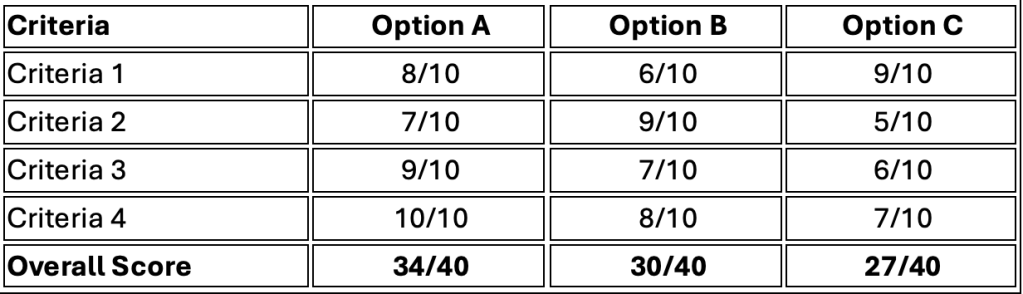
    Once you’ve assigned grades or scores, it’s time to compare the options side by side. A comparison table can be incredibly useful here. For example, let’s say you are choosing between three different marketing strategies for your business.

    Your table might look like this using numerical scoring:

    From this table, Option A appears to be the best choice because it scores highest overall.

    If you’re dealing with qualitative factors, consider using a pros and cons list or ranking options from most to least favorable.

    Prioritize Your Criteria

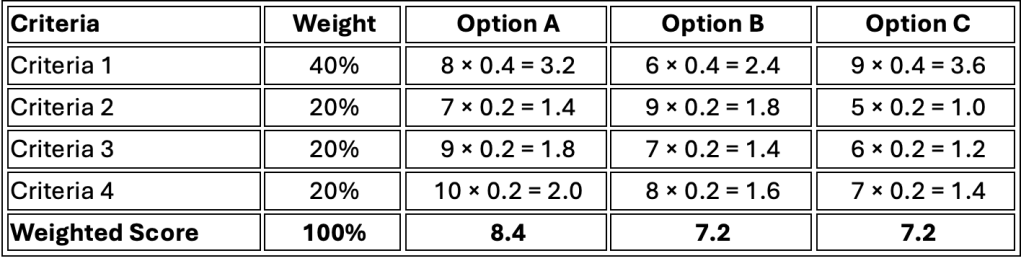
    Not all criteria hold the same weight in every decision. For example, in a personal decision like choosing a vacation destination, cost might be less important than experience. In a business decision, ROI might outweigh implementation time. To refine your decision further, consider assigning weighting factors to your criteria.

    For example:

    Criteria 1:   40% weight

    Criteria 2:   20% weight

    Criteria 3:   20% weight

    Criteria 4:  20% weight

    Now, multiply each score by its weight:

    With weighted scores, Option A still appears to be the preferred option, but you can see how different priorities affect the rankings.

    Consider External Factors and Risks

    While numbers and scores provide clarity, don’t forget to consider external factors that might impact your decision:

    • Market Trends – Is there an industry shift that could change your decision?
    • Future Growth – Will this option be viable in the long run?
    • Stakeholder Input – Does your team or audience have a preference?
    • Potential Risks – What are the worst-case scenarios?

    Sometimes, a seemingly perfect option might carry hidden risks. A good multi-criteria analysis doesn’t just focus on numbers but also strategic foresight.

    How Do Your Options Stack Up?

    By this point, you should have a clear understanding of how each option ranks. Whether you’re choosing between job offers, investment opportunities, strategic business moves, or planning a family vacation, a multi-criteria analysis takes the guesswork out of decision-making.

    Now, take a look at your current decision—how do your options stack up? Are you seeing clear winners, or do you need to re-evaluate your priorities?